
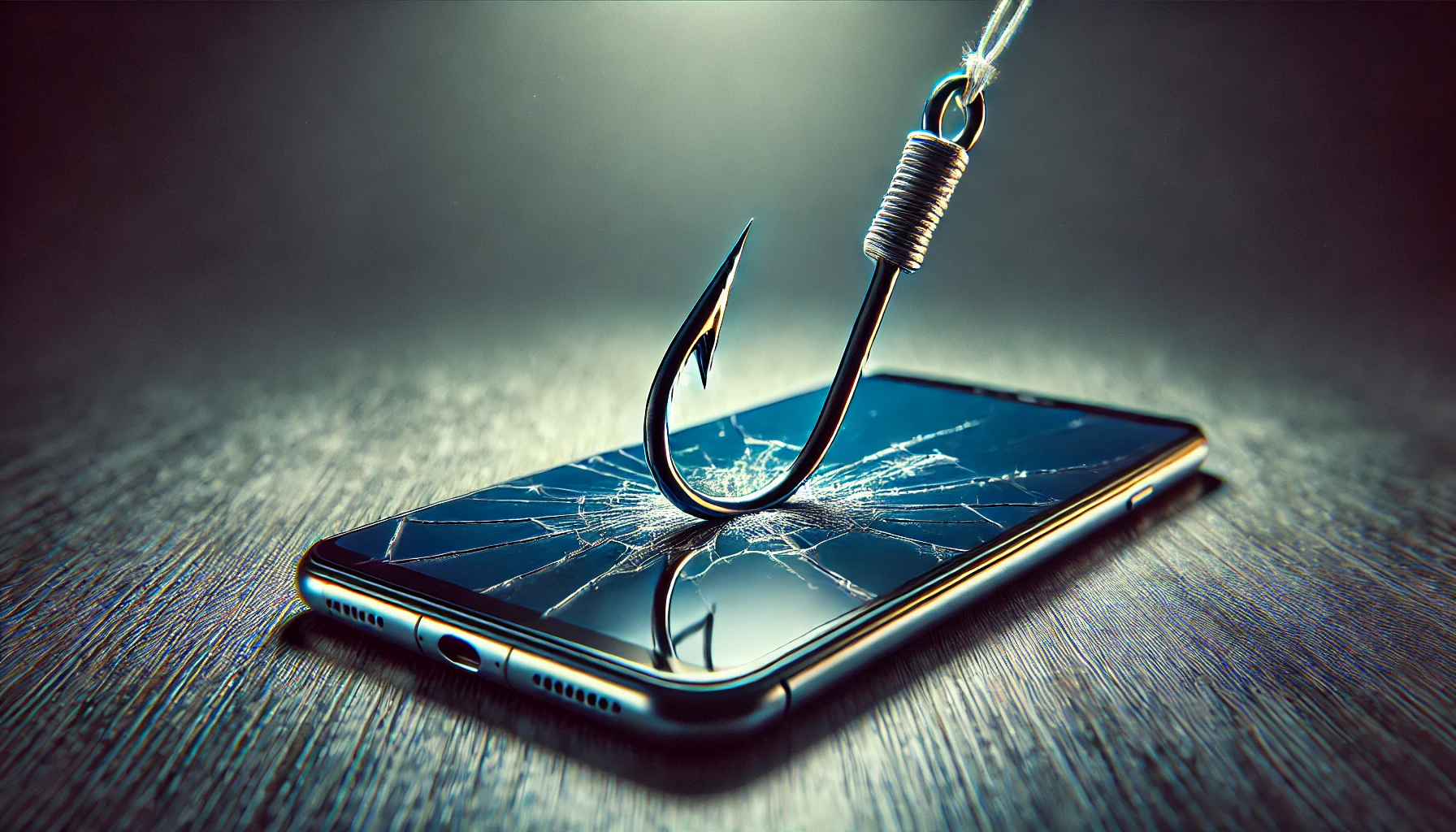
For many years, cybersecurity discussions focused on email-based phishing. But as smartphones and tablets become central to both our personal and professional lives, a new threat has emerged—mishing. Coined by firms like Zimperium, “mishing” refers to a range of phishing techniques tailored specifically for mobile devices. In this article, we trace the evolution of phishing, examine the tactics behind mishing, and suggest practical steps to counter this growing threat.
A Brief History: From Email Phishing to Mobile Attacks
Phishing began in the early days of the internet, when attackers sent bulk emails pretending to be reputable institutions to steal user credentials. During the 1990s and early 2000s, these scams mainly targeted financial information and identity theft, often using poorly executed imitations of bank communications. Over time, as cybercriminals refined their methods with more sophisticated social engineering and spoofing tactics, phishing grew increasingly effective.
The rise of mobile computing has dramatically altered the landscape. As we shifted from desktops to smartphones and tablets, new vulnerabilities emerged—such as smaller screens, truncated URLs, and an inherent trust in text-based messages. These factors have spurred a transition from traditional phishing to mobile-first techniques, collectively known as mishing. This evolution highlights not only our technological progress but also the relentless adaptability of cyber threats.
Understanding Mishing: Tactics and Technical Weaknesses
Mishing attacks target mobile users through several distinct methods. Let’s look at the three main variants:
Smishing: SMS Phishing
Smishing involves sending fraudulent text messages that seem to come from trusted sources—banks, government agencies, or familiar service providers. These messages typically create a sense of urgency, urging recipients to click a link or share sensitive information. For instance, a smishing text might claim there’s an unpaid bill or an unauthorized transaction, directing the user to a fake website designed to capture login details.
Quishing: QR Code Phishing
A relatively new threat, quishing, exploits the convenience of QR codes. Cybercriminals embed malicious URLs into QR codes, which are then placed on posters, digital ads, or even in emails. When users scan these codes with their mobile devices, they’re redirected to fraudulent websites that harvest personal data or install malware—all without revealing the true destination of the QR code.
Vishing: Voice Phishing
Vishing uses phone calls rather than texts. In these attacks, fraudsters impersonate representatives from trusted organizations over the phone, often using automated systems or pre-recorded messages. The friendly, conversational tone can lower the victim’s defenses, making it easier for the attacker to obtain confidential information.
Technical Vulnerabilities of Mobile Devices
Several features unique to mobile devices make them especially susceptible to mishing:
Limited URL Visibility:
Mobile browsers often display only a shortened version of a URL, making it hard to discern a link’s legitimacy. Malicious URLs can easily appear safe or mimic trusted domains.
Touch-Screen Interfaces:
The reliance on quick taps instead of deliberate clicks increases the chance of accidental interaction with malicious content. Unlike desktops, mobile devices lack hover features that allow users to preview links before clicking.
Inherent Trust in Mobile Communications:
People generally trust text messages and QR codes, especially when they seem to come from well-known brands or local services. This trust, combined with the sparse contextual information provided by mobile notifications, makes it easier for attackers to blend fraudulent messages into everyday communication.
Fragmented Security Measures:
While desktops often enjoy multi-layered security, many mobile devices lack comprehensive protection. Users might not install dedicated mobile threat defense apps or keep their operating systems updated, leaving significant security gaps.
In Conclusion: A Call to Rethink Mobile Security
Mishing marks a fundamental shift in the threat landscape, reflecting our increasing dependence on mobile technology. As cybercriminals continue to innovate by exploiting both human behaviors and technical limitations, it is crucial for organizations and individuals alike to stay alert and proactive. Understanding the evolution from traditional phishing to these advanced mobile tactics is the first step toward developing effective, mobile-specific defenses.
We encourage readers to reevaluate their mobile security practices, invest in robust threat defense solutions, and keep pace with emerging trends. By taking proactive measures today, we can better safeguard our data and maintain operational integrity in an ever-more mobile world.
Want to dive deeper into the world of mobile-first phishing and its impact on cybersecurity? Contact us to continue the conversation and stay ahead of emerging threats.
For more technology articles like this, visit our Content Hub at Tech Scope Connect.
0 comments