
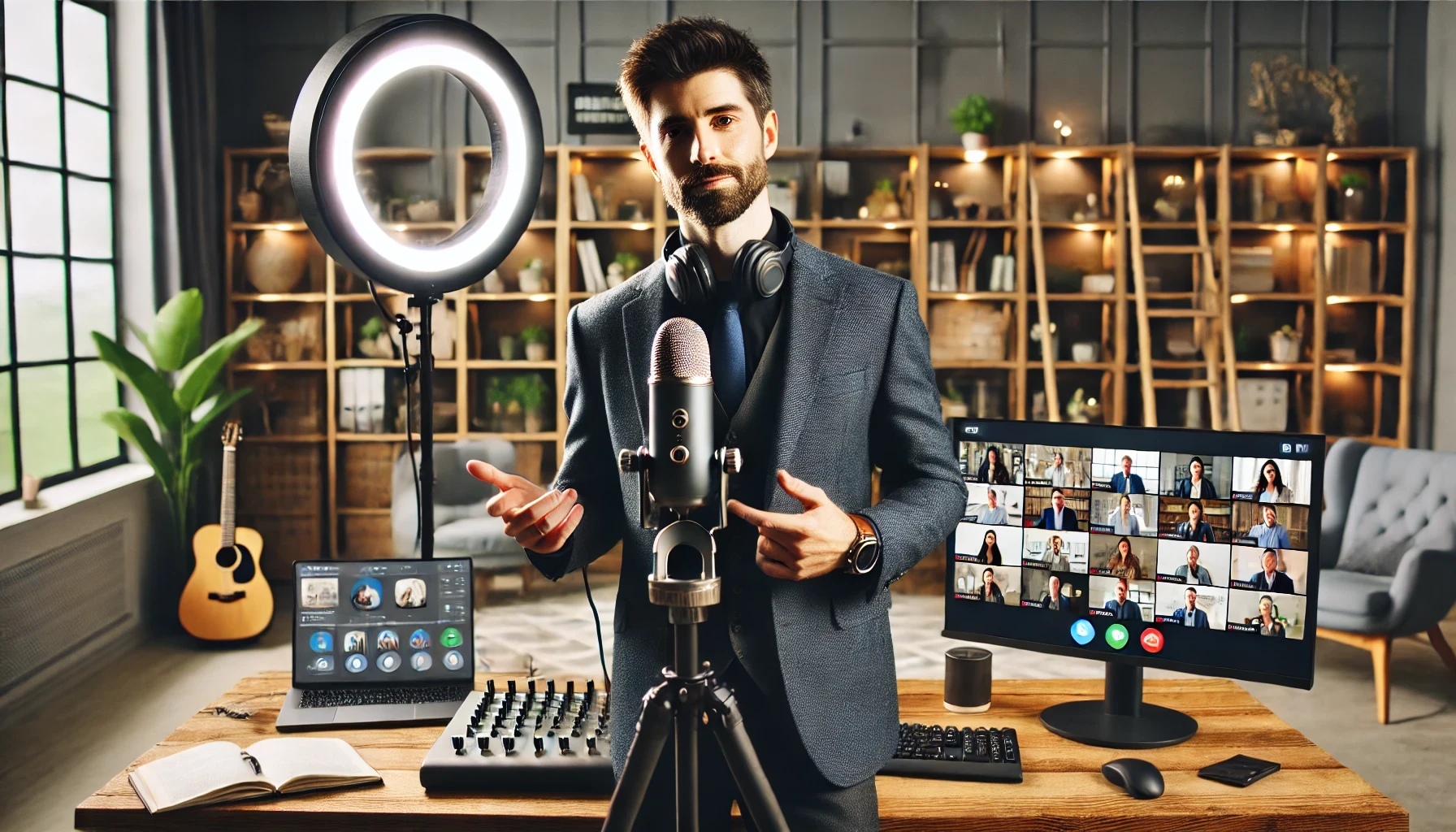
Virtual events have transformed the landscape of professional communication, offering innovative ways to engage audiences and overcome long-standing challenges associated with public speaking. One of the most significant benefits of virtual formats is their potential to alleviate public speaking anxiety, a condition that has plagued many would-be speakers for decades. In this blog, we explore how virtual events serve as an effective platform for building confidence, refining communication skills, and ultimately reducing the apprehension associated with public speaking.
A Safer Environment for Skill Development
Traditional public speaking environments—packed auditoriums, large conferences, or high-stakes meetings—can exacerbate anxiety by presenting speakers with an overwhelming sense of exposure and scrutiny. Virtual events, by contrast, provide a controlled atmosphere that diminishes these stressors. When speakers participate from a familiar environment, such as their home or private office, the psychological barrier between them and their audience is significantly reduced. This familiar setting allows individuals to focus on content rather than the anxiety-inducing elements of a physical stage, thus fostering a more constructive mindset for performance improvement.
Moreover, the digital format enables gradual exposure to the demands of public speaking. Just as systematic desensitization has proven effective in managing anxiety disorders, progressively increasing one’s level of engagement in virtual events can help individuals build up confidence incrementally. Beginners can start with smaller, less formal presentations, gradually advancing to larger webinars or online conferences, all within the safety of a screen-based interaction.
Enhanced Control Over Presentation Dynamics
Virtual events offer speakers a degree of control that is rarely possible in traditional settings. Modern conferencing software provides tools to manage the presentation environment, such as muting background noise, sharing slides or other visual aids at precisely timed moments, and even controlling who appears on camera. This level of control can mitigate the loss of audience feedback that often heightens anxiety in live settings. For example, a speaker might choose to disable incoming video feeds to avoid distractions, thereby reducing the pressure of instant visual scrutiny. In doing so, speakers can concentrate on delivering their message without the constant burden of monitoring audience reactions.
Further, many virtual platforms include features such as chat functions and moderated Q&A sessions, allowing for a more measured interaction between speakers and audiences. Such features can create a buffer that lessens the direct pressure of immediate, face-to-face interaction, thereby providing an opportunity for more thoughtful and deliberate responses. This controlled dynamic not only reduces stress but also encourages a more engaging and interactive presentation style, one that can be continually refined with practice.
Opportunities for Rehearsal and Feedback
Virtual events also facilitate a more iterative approach to public speaking preparation. The ease with which digital content can be recorded and replayed offers speakers the chance to review their performances and identify areas for improvement. Many individuals have found that watching recordings of their presentations provides invaluable insights into pacing, tone, and nonverbal cues such as gestures or facial expressions. This feedback loop is instrumental in building confidence and reducing anxiety over time.
Additionally, virtual platforms often allow for practice sessions with colleagues or mentors who can provide constructive criticism in a low-pressure environment. Unlike in-person rehearsals, which might require a larger commitment of time and resources, virtual practice sessions are more accessible and can be easily integrated into busy professional schedules. Over time, these rehearsal opportunities foster a sense of preparedness and mastery that is critical for mitigating public speaking anxiety.
Accessibility and Inclusivity in Communication
One of the most compelling aspects of virtual events is their inherent inclusivity. Speakers who may have previously felt marginalized or intimidated by traditional public speaking engagements now find a welcoming platform where physical limitations or geographical restrictions do not play a role. This democratization of speaking opportunities can serve as a potent antidote to public speaking anxiety by validating the talents and insights of individuals who might otherwise be reluctant to take the stage.
The ability to reach global audiences without the accompanying logistical complexities further enhances a speaker’s confidence. With virtual events, a speaker can connect with a diverse audience from the comfort of a single location, focusing on the quality of content rather than on anxiety-inducing travel and on-site pressures. This accessibility not only broadens the reach of professional discourse but also reinforces the speaker’s sense of capability and authority.
Building Long-Term Confidence Through Continuous Engagement
The supportive ecosystem created by virtual events extends beyond individual presentations. For many, regular engagement in virtual forums fosters a community of practice that provides ongoing reinforcement and encouragement. Peer support, regular feedback, and the communal celebration of milestones contribute to an environment where public speaking anxiety is systematically diminished over time.
Moreover, the cumulative effect of continuous engagement in virtual events is often a sustained improvement in public speaking skills. As speakers become more accustomed to online presentation formats, the lessons learned and confidence gained are transferable to other contexts, including in-person engagements. In this way, virtual events not only help to overcome immediate anxieties but also equip individuals with the skills necessary for broader professional advancement.
Conclusion
Virtual events are not merely a temporary substitute for in-person gatherings; they represent a fundamental evolution in how professionals communicate and share ideas. By offering a more controlled, accessible, and iterative platform for public speaking, virtual events address the core challenges that contribute to anxiety. Whether through enhanced control over the presentation environment, opportunities for rehearsal, or the fostering of inclusive communities, virtual events empower speakers to overcome their fears and emerge as more confident and effective communicators.
In embracing the digital transformation of public speaking, individuals can transform anxiety into an opportunity for growth—a development that benefits not only the speaker but also the broader community of engaged and informed professionals.
Contact us if you want to learn more about overcoming public speaking anxiety with virtual events.