
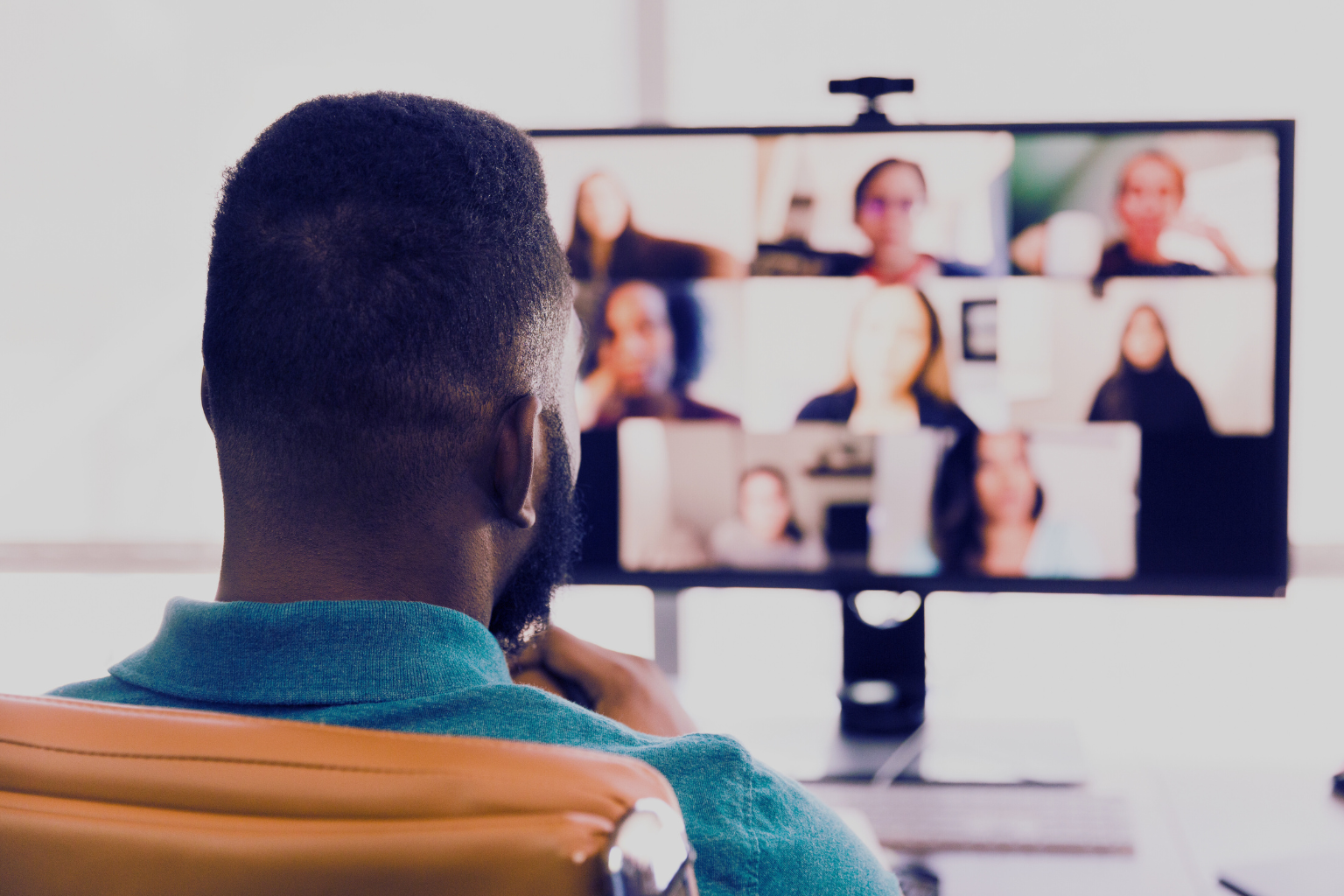
Virtual events can spark big conversations—but only if the right people know about them. Whether you call it public relations, media outreach, or brand communications, the purpose is the same: generate attention before the event, amplify excitement during it, and extend the conversation long after the livestream ends. The challenge is no longer about just promoting a time and place—it’s about creating moments that last. This article lays out a step-by-step public relations plan to help your event get noticed, shared, and remembered.
Why Your Event Needs a Buzz Plan
Attracting real attention for your virtual event is harder than it sounds. With inboxes overflowing, Slack pings buzzing, and meetings stacked back-to-back, your event has stiff competition for your audience’s attention. That’s why a buzz plan isn’t optional—it’s essential. A solid PR strategy can align your internal teams, external speakers, and event partners around a shared story, one that helps each participant amplify the others. Think of it as stage lighting: the event is still the same, but a well-placed spotlight makes every moment shine brighter.
When you approach public relations intentionally, you’re not chasing last-minute hype. You’re curating a story that gives people a reason to care and a way to talk about it. This clarity not only boosts visibility but also makes it easier for stakeholders to participate. A good buzz plan lays the groundwork for shared success—before the first session goes live.
Set Goals You Can Actually Use
It’s easy to get lost chasing broad visibility, but real PR impact starts with specificity. Before sending a single pitch or building a media list, define what success looks like. Do you want registrations? Backlinks? Media mentions? Analyst coverage? Pick two or three measurable outcomes and use them to shape your campaign. Without that clarity, even great tactics can veer off course.
Focusing on a few clear outcomes simplifies execution and measurement. For example, if your primary goal is media coverage in a trade publication, your story angles and outreach cadence will differ from a campaign aimed at influencer engagement. Let your goals inform your strategy from the start so that each element of your plan supports what you actually care about.
Shape a Story People Can Repeat
The most successful PR campaigns give people a narrative they want to share. This means offering reporters, attendees, and stakeholders a clear, concise story that fits in a single sentence. The best event coverage doesn’t just summarize an agenda—it highlights a viewpoint, a trend, or a shift worth noticing. If your subject is complex or technical, you’ll need to explain the “why now” in a way that’s accessible, urgent, and relevant.
To make your story memorable, focus on three ingredients: a sticky angle, a standout quote, and a helpful stat or framework. For example, instead of saying “AI is transforming businesses,” anchor your message with “Why SMBs are deploying AI in customer service faster than the Fortune 500.” That framing creates curiosity and invites discussion. When your story is easy to repeat, it becomes easy to share.
Before the Event: Public Relations Setup That Primes the Pump
Laying the foundation for media coverage starts long before your event goes live. The pre-event phase is where you align all your assets, outreach, and contributors so that momentum builds naturally. This is your chance to ensure everyone from your internal team to your external partners is equipped—and motivated—to spread the word.
In this stage, your focus should be on simplifying access and removing friction. Whether someone is writing a press mention, tweeting a link, or adding your event to a newsletter, your goal is to make that action easy and valuable. Every frictionless asset and every clear angle adds up to broader, faster amplification.
Your Public Relations Toolkit: Assets Reporters Actually Use
Build a compact and accessible press kit that serves as your central resource hub. At minimum, include a one-page event brief, speaker bios and headshots, two to three high-resolution images, and your full agenda. Add two short, timely talking points that reflect industry relevance or unique insights.
Place everything in one easy-to-share folder or webpage. This prevents the common friction point of endless email chains and scattered files. Reporters are more likely to feature your event if they can get what they need in a single click, without chasing follow-ups or formatting fixes.
Pitch Angles That Fit Your Event
Develop two to three distinct story angles tailored to your event content. One angle might highlight a broader industry shift, another could focus on original insights shared by your speakers, and a third might explore real-world outcomes or customer impact. These storylines should feel timely, relevant, and aligned with your target publications’ audience.
Match each pitch to a short list of media contacts, community newsletters, or niche outlets. Avoid mass emails. Personalization—even brief—signals credibility. A well-crafted angle paired with the right recipient dramatically increases the chances of coverage that actually moves the needle.
Partner and Speaker Amplification
Speakers and event partners are often your most credible amplifiers. Give them everything they need to promote your event without extra effort. This includes prewritten social posts, branded graphics, short video teasers, and suggested hashtags. Provide a timeline that recommends when and where to post.
This turnkey approach increases participation and improves consistency across channels. When your speakers and partners succeed in engaging their networks, your event gains reach and authority by association. Remove obstacles and watch amplification happen organically.
List Building and Light Personalization
Crafting a targeted media list is more valuable than casting a wide net. Focus on editors, podcasters, newsletter writers, and moderators who cover your niche. For each contact, write a one-line note that references a recent article or episode they produced—and how your story builds on it.
This small gesture of personalization shows you’ve done your homework and helps your pitch stand out in a crowded inbox. The return is often higher-quality responses and better-aligned coverage. Relationships begin with relevance, not reach.
Tracking and Prep
Set up a simple spreadsheet or CRM pipeline to track pitches, replies, and follow-ups. Assign team members to manage responses and clarify who owns each piece of the workflow. Prepare short responses to likely questions—such as speaker availability, session format, or data sourcing.
When journalists respond, you’ll be ready to move quickly and professionally. A little structure here prevents missed opportunities later. The faster you can follow up, the more momentum you retain heading into the event itself.
During the Event: Create Real-Time Momentum
Once the event is underway, your attention shifts to capturing and broadcasting key moments as they happen. This real-time amplification creates urgency, shows activity, and builds a sense of community around the event. Don’t wait for the event to end before activating your media plan.
What happens live doesn’t have to stay live. Think of each session as an opportunity to generate highlights, quotes, and content that fuels both social media and post-event outreach. Speed matters, but so does clarity.
Capture the Moments That Matter
Designate someone to clip short video segments, capture standout quotes, and grab useful charts or product shots as they appear. Watch for audience questions or insights that signal broader interest. These moments are perfect for social media, newsletter blurbs, or recap content.
By documenting these moments in real time, you preserve authenticity and immediacy. You also lower the barrier to post-event content creation. You’re not starting from scratch—you’re curating the story as it unfolds.
Publish Fast, Not Perfect
Post short clips and soundbites while sessions are still live. Include a clear caption with a single takeaway and tag the speaker or brand. Don’t worry about studio-level polish—what matters is that it’s timely, relevant, and engaging.
Momentum fades fast. Publishing during the event keeps energy high and gives your audience a reason to tune in now rather than later. Polish can come in the recap. Speed drives shares.
Give Reporters and Analysts a Live Lane
If you have analysts, press, or creators attending, offer them a private channel—like Slack or a dedicated Zoom chat—where they can ask questions, verify quotes, or request timestamps. Assign someone to monitor and respond within minutes.
This builds goodwill and removes the friction that often prevents real-time coverage. It shows that your team is professional, responsive, and press-ready. When media stakeholders feel supported, they’re more likely to amplify your story.
After the Event: Make It Last
The livestream may be over, but the opportunity is just beginning. In fact, most of your total viewership—and a significant share of your long-tail impact—will occur after the event. This is where the value of your content multiplies.
Think of your virtual event as a content generator. Every session holds potential for social media clips, follow-up interviews, blog posts, and PR outreach. The better your post-event plan, the longer your message will resonate.
Turn Sessions Into a Mini Newsroom
Publish a highlights recap within 24 to 48 hours. Include three key insights, one chart, and a compelling quote. Post short video segments on social media and a longer recap on your blog. Use Q&A discussions to create a quick FAQ or editorial follow-up.
This approach transforms a single event into weeks of content. It gives latecomers a way to engage and encourages those who attended to share their favorite moments. Timely follow-through also boosts your credibility and reinforces your expertise.
Pitch the Follow-Through, Not Just the Moment
Reporters are often more interested in outcomes than events. Rather than pitching “what happened,” offer insights into “what it means.” Highlight emerging trends, surprising data, or recurring themes. If you ran polls or surveys during the event, use anonymized results to add credibility.
Position your speakers for follow-up interviews, opinion pieces, or panel discussions. Keep the conversation going, and your event becomes part of a broader industry narrative—not just a standalone occurrence.
One Stat to Guide Your Plan
Roughly two-thirds of views happen after the live broadcast ends. This one insight should drive your media planning. It means your post-event content—and the way you package and promote it—can outweigh the livestream itself in impact.
Plan for that long tail. Build a content calendar that extends weeks beyond the event, and track engagement trends to see when and where momentum spikes. You’ll often find your biggest gains come well after the final session ends.
Measure What Matters to You
Once your campaign is complete, don’t just measure vanity metrics. Focus on indicators that tie back to your goals. These might include referral traffic, social shares, earned mentions, or demo requests. Analyze what worked and why.
When you find winning tactics, document them and turn them into checklists for future events. Public relations gets easier—and more effective—when you treat it as a repeatable system rather than a one-off push.
Conclusion
Virtual events don’t just need attendees—they need attention. With a thoughtful public relations plan, you can turn a few live sessions into lasting industry visibility. Set clear goals. Equip your spokespeople and partners. Capture the action in real time. And follow through with coverage that extends your message long after the event ends. Public Relations isn’t just promotion—it’s the connective thread that turns your message into momentum and your event into influence.
Contact us if you want to learn more about public relations for virtual events—and how to tailor this plan to your business. Public Relations is the thread that connects your message to the people who need it.