
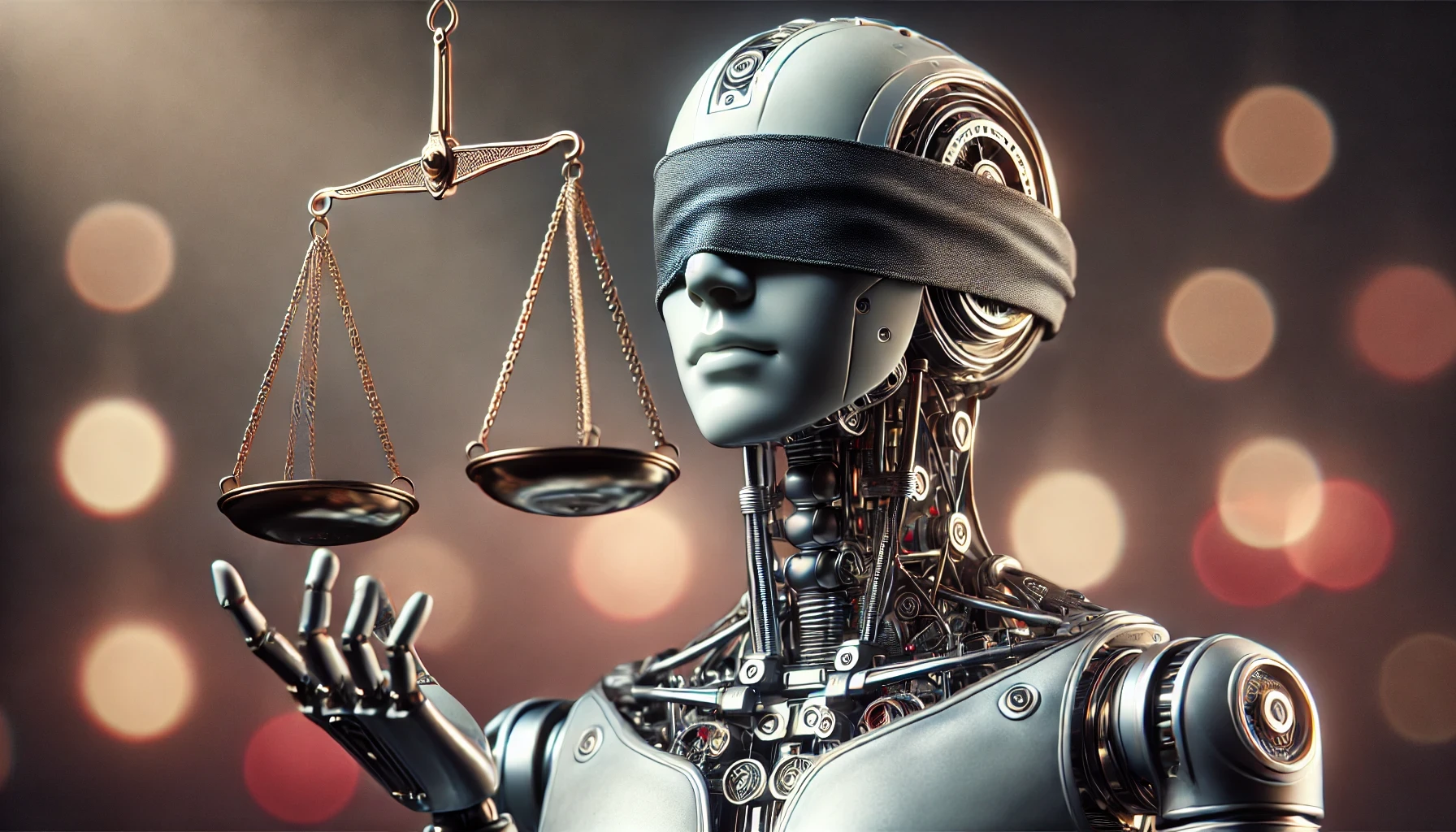
Ethical AI is not just a buzzword—it’s a vital issue that touches our everyday lives. In today's tech-centric world, intelligent systems are shaping everything from our healthcare and finances to our education and public safety. Whether you call it responsible AI, trustworthy AI, or moral AI, the need for a solid ethical foundation is clear.
Imagine waking up one day to learn that decisions made by smart machines are directly influencing your future. This article explores why ethical frameworks matter, what they mean in practice, and how we can overcome the challenges before they lead to real-world risks. We’ll examine the guiding principles of ethical AI, the hurdles it faces, and the potential consequences if these challenges remain unaddressed.
Let’s dive in by exploring how ethical principles can protect human dignity and ensure that technology works for everyone.
Defining Ethical AI: Principles and Practice
When we talk about Ethical AI, we refer to systems built on a foundation of fairness, transparency, accountability, privacy, and inclusivity. These are not abstract ideals—they are practical guidelines that help shape technology for the benefit of all.
What Exactly Is Ethical AI?
Ethical AI means creating machines we can trust. It’s about ensuring that the decisions these systems make are neither shrouded in mystery nor tainted by bias. Here are the core pillars:
- Fairness: Systems must treat everyone equally. Developers work to eliminate bias in training data and algorithms.
- Transparency: Users deserve insight into how decisions are made. Clear explanations build trust.
- Accountability: If something goes wrong, responsibility must be clear. This ensures that errors and ethical missteps are addressed.
- Privacy: Personal data is treated with care. Ethical AI safeguards individual rights.
- Inclusivity: Diverse perspectives are vital. Incorporating multiple viewpoints helps ensure that technology serves all communities.
In practice, creating ethical AI involves a collaborative effort. Experts in computer science, philosophy, and law work together to develop guidelines that are both robust and flexible—keeping pace with rapid technological innovation while learning from past experiences.
The Evolution of Ethical Guidelines
Ethical guidelines have evolved through trial and learning. Past technological shifts have taught us the importance of proactive rather than reactive measures. Today’s frameworks draw on lessons from earlier innovations, continuous interdisciplinary research, and real-world cases where ethical lapses led to serious consequences. This isn’t merely about following rules—it’s about building a future where technology serves everyone equitably.
Challenges and Risks for Ethical AI
As promising as ethical AI is, its implementation faces significant hurdles that could lead to serious consequences if left unaddressed. These challenges range from technical issues to broader societal risks, and understanding them is crucial for building robust systems.
Key Challenges
- Bias and Data Inheritance: AI models often mirror the biases embedded in their training data. This can lead to discriminatory outcomes in areas such as hiring, law enforcement, and credit scoring. Although researchers are developing fairness-aware algorithms, completely eliminating bias remains a tough challenge.
- Opacity and Lack of Transparency: Many AI systems operate as “black boxes,” making it difficult to trace how decisions are made. Without clarity, it’s hard for users to identify errors or assign responsibility when things go wrong. While explainable AI initiatives are on the rise, achieving full transparency is still an ongoing effort.
- Rapid Innovation vs. Ethical Oversight: New technologies and applications are emerging faster than ethical guidelines can be updated. This gap between innovation and oversight can leave potential risks unaddressed, creating an urgent need for adaptable policies.
Potential Risks
If these challenges aren’t effectively managed, the risks become significant:
- Reinforced Inequality: Unchecked bias can deepen social divides. When automated decisions consistently disadvantage certain groups, public trust in both technology and institutions may erode.
- Privacy and Security Breaches: Without strong safeguards, personal data might be misused or exploited, leading to privacy violations and even invasive surveillance practices.
- Lack of Accountability: Opaque decision-making processes make it difficult to pinpoint responsibility when harm occurs, leading to legal ambiguities and a decline in ethical standards.
- Stifled Innovation: Widespread mistrust in AI can slow technological progress. If people reject or fear these systems, the transformative benefits of innovation may never be fully realized.
Worse Case Scenario if AI Is Not Approached with Ethics
In the absence of a robust ethical framework, the unbridled advancement of AI could herald a dystopian future in which human rights are systematically compromised and societal inequities become deeply entrenched. Without deliberate oversight, algorithmic decisions may evolve into instruments of coercion, subtly reinforcing existing power imbalances and marginalizing vulnerable communities. The opacity of unchecked AI systems could facilitate the emergence of authoritarian practices, where surveillance and data exploitation supplant individual privacy and freedom. Such a scenario portends not only the erosion of public trust but also the transformation of technological progress into a tool for domination rather than empowerment, underscoring the urgent need for ethical governance to safeguard our collective future.
Why Ethical AI is Important: Societal Impact and Sustainable Innovation
The way we build AI today will determine the kind of society we live in tomorrow. Ethical AI isn’t just a technical issue—it’s fundamentally a human one.
The Societal Impact
AI has the power to transform lives for better or worse. When ethical considerations are woven into technology, the benefits can be immense:
- Healthcare: AI improves diagnostics and treatment planning. With ethical oversight, these systems can provide unbiased, patient-centric care.
- Finance: Automated processes can streamline lending and investment decisions, but ethical guidelines ensure these decisions are fair.
- Education: Personalized learning tools can expand access to education, provided they are developed with inclusivity in mind.
- Law Enforcement: AI can help manage public safety, yet ethical systems are essential to protect civil rights.
- Public Services: Governments use AI to enhance services, but careful monitoring is needed to prevent overreach.
Without ethical AI, these advances risk turning into sources of harm—if decisions become biased, opaque, or unaccountable, the very foundations of trust in society could be undermined.
Building a Sustainable Future
Investing in ethical AI is an investment in our collective future. Organizations that adopt these principles are better equipped for long-term success:
- Enhanced Trust: Transparency and fairness build public confidence.
- Risk Mitigation: Ethical measures help prevent costly mistakes and backlash.
- Market Differentiation: Companies that prioritize ethics stand out as responsible leaders.
- Innovative Culture: Embedding ethics in development encourages a balanced approach to progress, combining creativity with accountability.
Recent global discussions and white papers emphasize that ethical design isn’t a barrier—it’s a catalyst for sustainable innovation. As ethical practices become integral to technological progress, they drive not only better products but also stronger societal bonds.
Emerging Trends in AI Ethics
The field of AI ethics is evolving, marked by several notable trends:
- Interdisciplinary Collaboration: Experts from various fields are uniting to tackle complex ethical challenges.
- Global Coordination: International bodies are beginning to establish uniform standards that cross borders.
- Focus on Explainability: Efforts to demystify AI’s decision-making processes are gaining momentum.
- Public Engagement: Increased dialogue between tech companies and the public is leading to more inclusive and adaptive ethical guidelines.
These trends illustrate a proactive shift from reactive measures to strategies that integrate ethics from the ground up.
Conclusion
Ethical AI is the backbone of a future where technology benefits everyone. It’s about ensuring that our innovations are built on fairness, transparency, and accountability. By addressing key challenges and mitigating risks, we can create systems that empower rather than divide. In exploring the myriad dimensions of ethical AI—from foundational principles to emerging risks and worst-case scenarios—we affirm that a commitment to ethics is indispensable for safeguarding both innovation and the values at the heart of our society.
Contact us if you want to learn more about Ethical AI and join us in creating a future where technology and ethics move forward hand in hand.
Looking for more articles on AI, IoT, and emerging technologies? Explore the Tech Scope Connect Content Hub.