
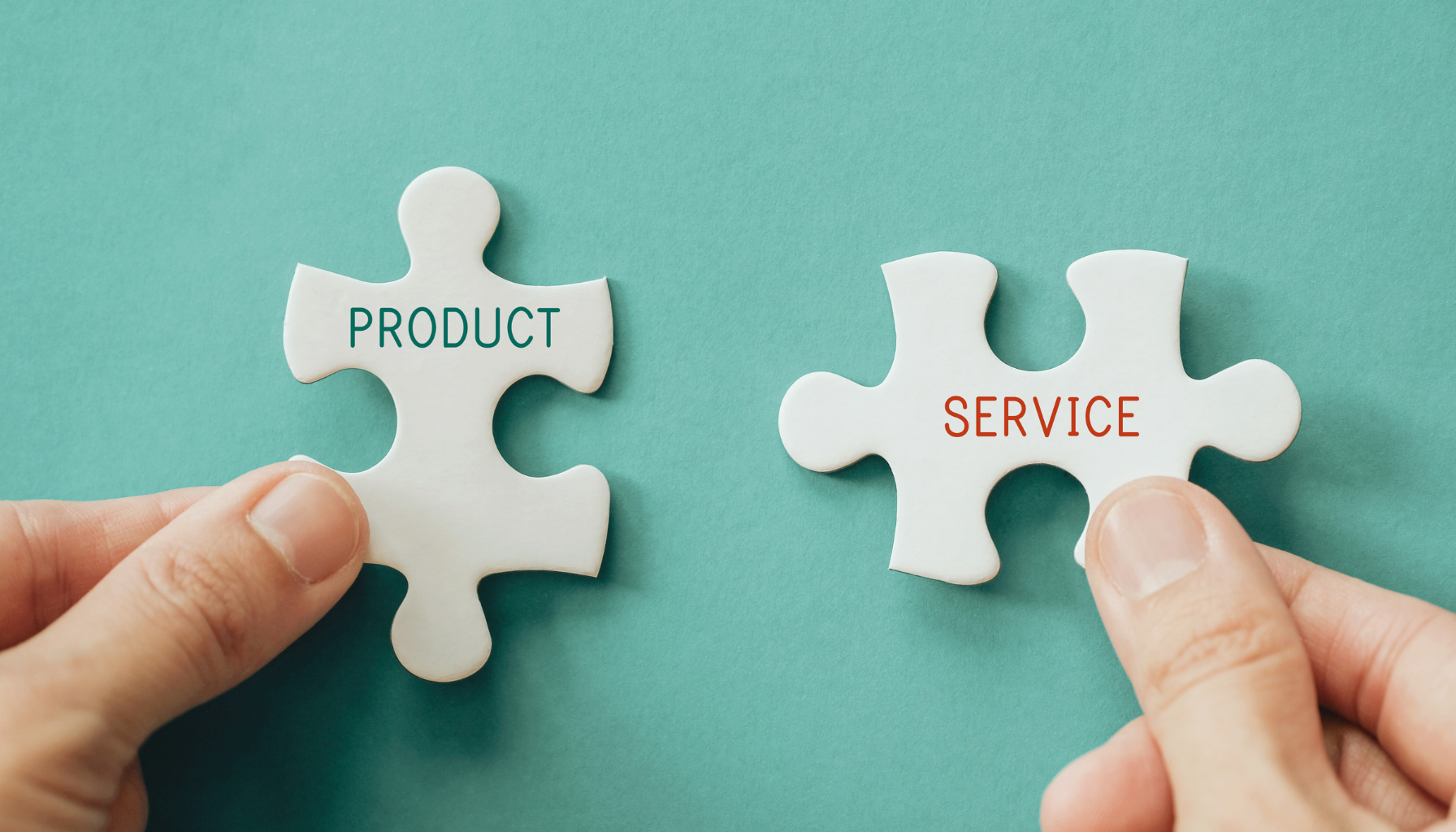
Product and Service Marketing play crucial roles in shaping businesses' success. Whether you're selling tangible goods or intangible services, understanding these distinctions is key. As markets evolve, the boundaries between these types of marketing continue to blur, creating exciting opportunities—and challenges—for businesses.
Products vs. Services
Before diving into marketing strategies, it’s essential to understand the foundational differences. Products are tangible items—think smartphones, furniture, or clothing. Services, on the other hand, are intangible experiences, like consulting, healthcare, or streaming subscriptions.
For products, marketing focuses on features, functionality, and benefits. Services emphasize customer experience, trust, and relationships. This difference significantly impacts marketing strategies, from messaging to distribution channels.
Understanding the Differences Between Product and Service Marketing
Here are the most significant differences between marketing products and services:
1. Tangibility:
- Products: Physical items that can be seen, touched, and stored.
- Services: Intangible offerings like experiences or expertise.
2. Customer Interaction:
- Products: Minimal direct interaction with customers after the purchase.
- Services: Require continuous interaction and relationship-building.
3. Customization:
- Products: Often standardized with limited customization options.
- Services: Highly personalized to meet customer needs.
4. Quality Evaluation:
- Products: Quality can be assessed before purchase (e.g., features or reviews).
- Services: Quality is often judged after delivery based on customer satisfaction.
5. Inventory:
- Products: Can be stocked and inventoried.
- Services: Cannot be stored; they are delivered in real-time.
6. Pricing:
- Products: Pricing strategies are based on cost, competition, and value.
- Services: Pricing often depends on perceived value and expertise.
7. Marketing Channels:
- Products: Sold through retail, online stores, or distributors.
- Services: Marketed through consultations, referrals, and digital platforms.
Benefits of Understanding These Differences
When businesses grasp these nuances, they can tailor their strategies for success. For instance:
- Product marketing thrives on showcasing features and competitive pricing.
- Service marketing relies heavily on testimonials and word-of-mouth to build credibility.
Research by Epsilon reveals that 80% of consumers are inclined to purchase from brands that provide personalized experiences. This expectation applies to both products and services, albeit in different ways.
For products, e-commerce platforms use AI-driven recommendations to suggest items tailored to individual preferences, creating a seamless shopping journey. In services, personalization often comes in the form of tailored consultations or customized solutions, which build trust and enhance customer satisfaction.
Businesses that embrace these trends can effectively meet consumer demands while optimizing their marketing strategies.
Key Strategies in Product and Service Marketing
1. Product Marketing Strategies
Highlight product specifications and performance. Use demonstrations or trials to attract potential buyers. Channels like e-commerce and retail stores are pivotal.
2. Service Marketing Strategies
Prioritize building relationships through excellent customer service. Loyalty programs, social proof, and online reviews play significant roles in retaining customers.
Staying Ahead in a Changing World
As AI-driven personalization transforms marketing, businesses must adapt. Product marketing increasingly uses predictive analytics to suggest products to consumers. Similarly, service marketing is leveraging AI chatbots to enhance customer interaction, ensuring seamless experiences.
Build Strategies That Work for You
Understanding the differences between product and service marketing equips businesses to thrive in a competitive environment. Whether focusing on tangible goods or intangible experiences, the right approach can drive growth.
Want to learn how these trends can shape your business? Contact us for tailored advice on mastering product and service marketing.