contextual marketing strategy
Marketing & PR

How to Build a Winning Contextual Marketing Strategy

Contextual marketing is changing how brands connect with their audience—and for good reason. Unlike tracking users across the web, this approach tailors messages based on the environment someone is already in. It's a form of targeted advertising that feels more relevant and less invasive.

If you've been hearing more about contextual ads, native content, or marketing that's based on real-time context, you're not alone. Businesses everywhere are rethinking how they engage people—especially now that data privacy rules are tightening. The good news? Contextual marketing isn't just effective; it’s surprisingly accessible.

So, if you’re wondering how to get started, this guide will walk you through a simple strategy to help you build trust, drive interest, and stand out.


Summary: A winning contextual marketing strategy starts by understanding where your audience is and what they’re doing in that moment. Instead of relying on personal data, it focuses on delivering relevant messages that match the surrounding content or environment. By aligning your content with context—like platform, mindset, and tone—you can create more engaging, privacy-friendly experiences that feel natural to your audience.


Know the "Where" Before the "Who"

You’ve probably heard it a hundred times: “Know your audience.” But in contextual marketing, knowing where your audience is can be just as important.

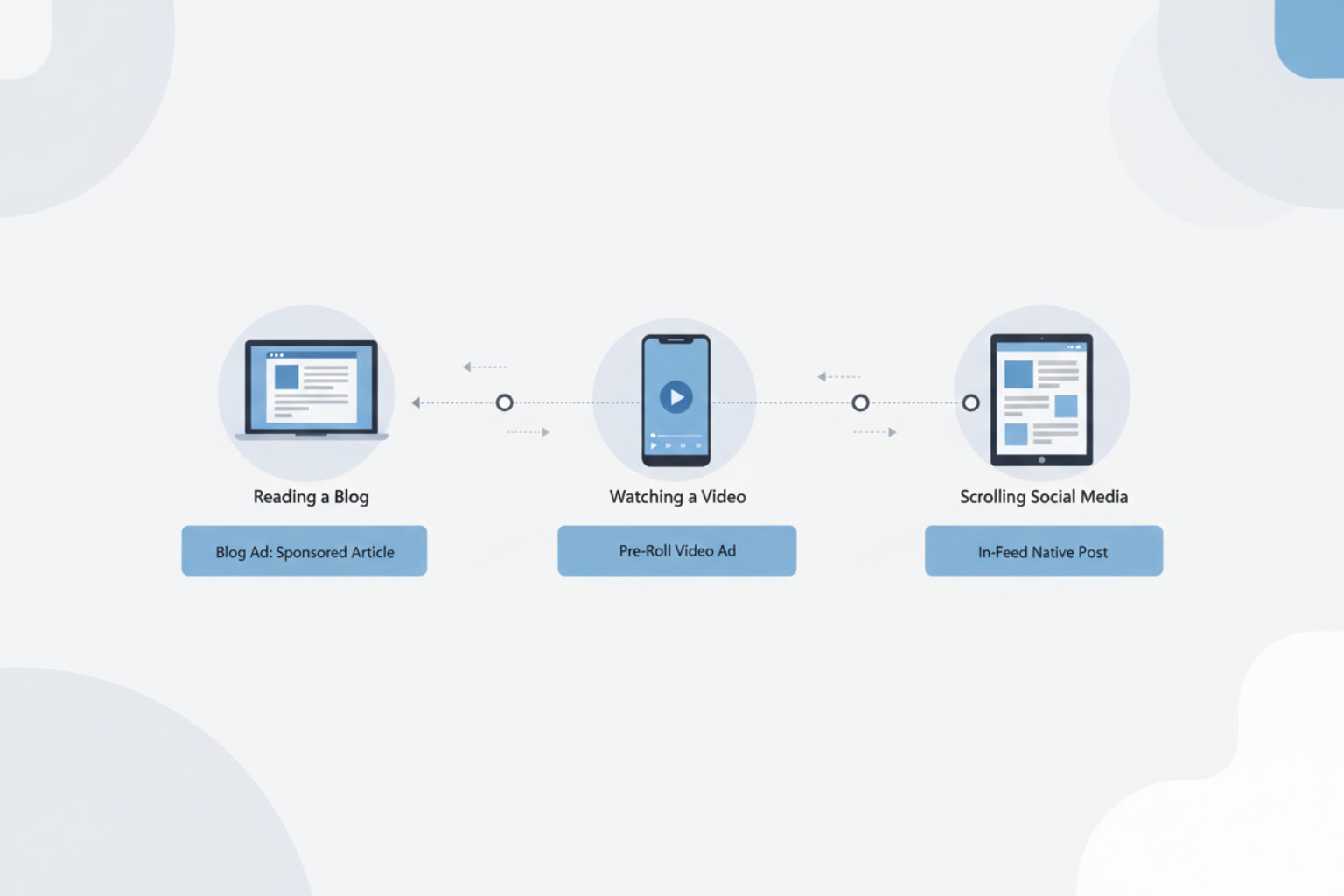
Think about it—what someone’s doing when they see your content shapes how they’ll react to it. Are they scrolling through a tech blog? Watching a YouTube video on DIY home repairs? Reading product reviews?

The context in which your message appears tells you a lot about what your audience is likely thinking in that moment. That’s your opening.

Tip: Start small. List the websites, apps, or content categories your ideal customers frequent. These will help you decide where your brand should show up—and what kind of message fits.


Match the Message to the Moment

Even the best ad won’t work if it feels out of place.

Let’s say someone is reading a blog about eco-friendly living. An ad for compostable packaging makes sense there. But a flashy ad for a luxury car? Not so much. That’s the core idea behind contextual marketing: your message needs to feel native to the environment.

It’s not about pushing your product—it’s about showing up with value that fits.

Here’s a simple formula to help you start:

  • Platform: Where is your audience?
  • Mindset: What are they doing or thinking?
  • Match: What content naturally fits that mindset?

Use this to create content that blends in seamlessly while standing out with value.


Choose Channels That Support Contextual Targeting

Not all platforms make contextual targeting easy, so it’s worth doing a bit of research.

Some ad networks allow you to place ads based on topics, keywords, or page categories. Others let you advertise within specific videos, apps, or streaming content. These are great places to experiment with contextual marketing without relying on user data or third-party cookies.

And don’t forget about your own content hubs—like your blog or podcast. Publishing context-aware content on your owned channels can help reinforce your message while boosting organic traffic.

Tip: Look for platforms that allow keyword-based ad placement. This lets you tie your message to content your audience is already engaging with.


Create Content with Context in Mind

This part is where creativity kicks in.

Contextual marketing isn’t just about ad placement—it’s also about tone, format, and timing. If someone’s on a mobile device, keep things short and visual. If they’re reading a long-form article, a more thoughtful message might land better.

Ask yourself:

  • Should this be a short video or a blog snippet?
  • Does humor make sense here, or should it be more informative?
  • Will this interrupt or enhance the user experience?

The more you align your content with your audience’s current activity, the more likely they’ll respond. And that’s the magic of context.


Measure What Matters (But Keep It Simple)

You don’t need a wall of dashboards to see if contextual marketing is working. A few simple indicators can go a long way:

  • Click-through rates: Are people engaging?
  • Time on page: Are they sticking around?
  • Bounce rate: Are they clicking away too soon?

These metrics offer clues about whether your message fits the environment.

And remember, contextual marketing is more than just ads. It’s also about building brand trust by showing up with relevance and respect. That kind of alignment is hard to ignore—and even harder to forget.


Conclusion: Relevance Is the Real Superpower

You don’t need a massive budget or complex data tools to start using contextual marketing. You just need to be thoughtful about where your audience is and what they care about in that moment.

By focusing on relevance over retargeting, you create experiences that feel helpful—not disruptive. That’s how you build trust, spark interest, and pave the way for deeper engagement later on.

Contact us if you want to learn more about how contextual marketing can drive awareness and engagement for your business.


Read More
banner blindness
Digital Marketing

What Is Banner Blindness? And How to Beat It!

Have you ever heard of banner blindness? Maybe you've noticed your ads aren't getting the clicks they used to. Banner blindness, sometimes called ad blindness, is when users subconsciously ignore online advertisements because they're too familiar or unengaging. This phenomenon seriously impacts marketers, advertisers, and businesses, leading to lower engagement, poor ROI, and wasted marketing budgets.

So, what's going on here? Let's dive into understanding banner blindness, why it matters to your business, and practical ways to combat it.


Getting to Know Banner Blindness

Banner blindness isn't new. Users have trained themselves, knowingly or not, to filter out anything that looks like an ad. Think of the times you've visited a website and instinctively skipped over brightly colored banners. This automatic response is exactly what's happening to your audience.

Why does it occur? Because our brains are wired to focus on the content we're actively seeking. Anything perceived as irrelevant—like repetitive banner ads—is mentally tuned out.


The Real Impact of Banner Blindness on Your Business

Banner blindness directly impacts your digital marketing results. If your ads are ignored, you're essentially throwing away money. Your click-through rates (CTR) plummet, conversions drop, and it becomes harder to justify your ad spend. Plus, if your audience isn't interacting, you're missing crucial opportunities to capture leads and generate sales.


Common Misconceptions About Banner Blindness

Think you've got banner blindness figured out? You might be surprised. Let's clear up some common myths to better understand this phenomenon:

Myth 1: Only Poorly Designed Ads Suffer from Banner Blindness

Many marketers assume banner blindness only affects badly designed or amateur-looking ads. However, even professionally crafted banners face similar challenges if they're repetitive or irrelevant.

Myth 2: Banner Ads Are Completely Dead

Not true. Banner ads are still effective when strategically placed, creatively designed, and tailored to audience interests. It's not about abandoning banner ads entirely but improving their effectiveness.

Myth 3: Increasing Ad Frequency Boosts Visibility

Contrary to belief, showing ads more frequently often worsens banner blindness. Users learn to recognize and avoid overly repetitive ads faster.


Breaking Through Banner Blindness: Practical Solutions

Ready to reverse the effects of banner blindness? Here are actionable strategies:

1. Vary Your Ad Formats

Using diverse ad formats prevents users from immediately identifying and ignoring your ads. Rotate between banners, native ads, interactive media, and videos. Dynamic content naturally catches the eye. For instance, integrating short videos or animations can significantly boost engagement because they naturally attract attention. Interactive ads, such as quizzes, polls, or mini-games, are especially effective in engaging users because they require active participation. Remember, variation doesn't just mean changing visuals—consider changing your messaging, offers, or calls-to-action frequently to keep users intrigued and attentive.

2. Improve Ad Relevance

Personalization can significantly cut through banner blindness. Ads that speak directly to the user's interests, browsing history, or demographic information are more engaging. Tools like retargeting and contextual targeting enhance relevance and attention. Implementing advanced data analytics can further refine your ads, allowing you to target specific user segments accurately. Real-time personalization, where ads dynamically adjust based on current user behavior or location, can dramatically improve engagement. For example, showing location-specific offers or personalized product recommendations can substantially increase the likelihood that users will click on your ads.

3. Strategic Placement Matters

Consider ad placement carefully. Banner ads placed near highly engaging content or naturally integrated within website elements are harder to ignore. Sidebar or header banners are more prone to being overlooked than inline, contextual placements. For instance, embedding ads within editorial content or alongside high-engagement areas such as video players or image galleries enhances visibility. Heat maps and user eye-tracking studies can help identify hotspots on your website where user attention naturally gravitates. Leveraging these insights ensures your ads appear exactly where they will receive maximum attention and interaction.

4. Minimalistic and Unobtrusive Designs

Avoid overly flashy or intrusive designs that scream "ad." Opt instead for clean, minimalistic banners that blend seamlessly with the site's overall look. Subtle branding can intrigue users without immediately triggering their ad-skipping instincts. Emphasize clarity and simplicity in your designs—use plenty of whitespace, clear typography, and limited colors to reduce visual clutter. Subtle animations or gentle transitions can also attract attention without overwhelming users. Remember, users appreciate ads that respect their browsing experience, making minimalistic designs a respectful yet effective approach.

5. Leverage A/B Testing

Regularly conduct A/B tests on your banners. Small adjustments like color, wording, and call-to-actions can drastically affect user engagement. Test continuously to find out what resonates best with your audience. For instance, experiment with different headlines, imagery, color schemes, or button placements to identify optimal combinations. Use insights from testing to continuously refine your ad strategy. Tools like Google Optimize or Optimizely can help streamline your testing process and provide clear, actionable data. A structured approach to A/B testing not only improves ad effectiveness but also helps you better understand your audience's preferences.


The Rise of Native Advertising

A recent trend gaining traction in combating banner blindness is native advertising. Native ads blend into their surroundings, mimicking editorial content rather than obvious ads. According to reports, native ads drive significantly higher engagement than traditional banners, making them an effective remedy for banner blindness.


Why Solving Banner Blindness Benefits Your Business

Addressing banner blindness isn’t just about improving CTR. It ensures that your advertising budget delivers actual results, increases brand awareness, boosts conversions, and maximizes your digital marketing ROI.


Conclusion

Banner blindness is a pervasive issue affecting nearly every business. Understanding its causes and actively applying strategies like varied ad formats, enhanced relevance, strategic placements, minimalistic design, and native advertising can significantly mitigate its effects. By combating banner blindness, you'll ensure that your ads remain visible, engaging, and profitable.

Contact us if you want to learn more about effectively addressing banner blindness in your campaigns.


FAQ

How do I know if my ads suffer from banner blindness?

Monitor your click-through rates (CTR) and conversion metrics. If you notice significant declines or stagnation, banner blindness might be affecting your campaigns.

Can banner blindness affect ads on social media platforms?

Yes. Banner blindness can occur anywhere ads become predictable or repetitive, including social media feeds, where users quickly scroll past familiar ad formats.

Is banner blindness limited only to visual advertisements?

Primarily, but similar phenomena occur in audio or video ads that users repeatedly encounter. Any repetitive advertising can lead to audience disengagement.

How often should I refresh my ads to combat banner blindness?

Regularly update your ads every 4–6 weeks or sooner if engagement drops significantly. Frequent refreshes maintain interest and prevent users from tuning out familiar visuals.

Can ad blockers solve banner blindness issues?

No. Ad blockers entirely remove ads rather than addressing viewer engagement. Instead, improving ad relevance, design, and placement is key to overcoming banner blindness.

Do interactive ads reduce banner blindness?

Absolutely. Interactive ads such as quizzes, polls, and games significantly improve engagement, making them effective in overcoming banner blindness by actively involving users.

What metrics should I track to assess improvements against banner blindness?

Focus on click-through rates (CTR), viewability scores, interaction rates, and conversion metrics. Improvements in these areas indicate successful strategies against banner blindness.

Read More