Data Analytics, Events, Internet Of Things, Production Services, Technology

The IoT Revolution in Media Streaming: Insights for NAB Show 2025

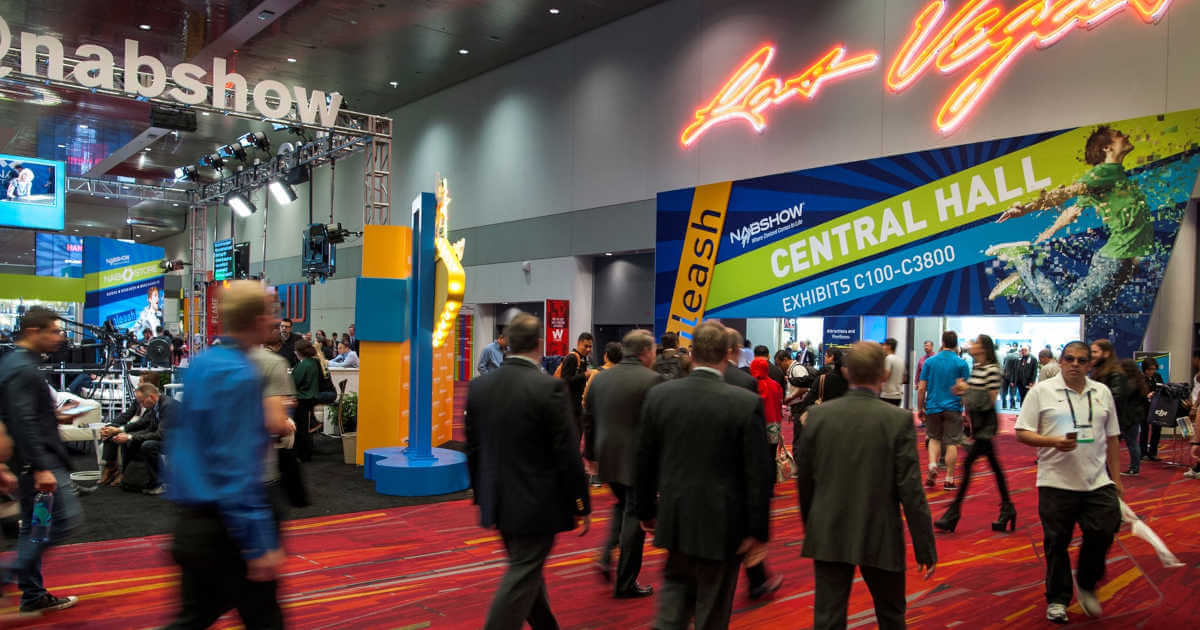
In today’s fast-paced media landscape, the Internet of Things (IoT) is driving an evolution in the way content is produced, distributed, and consumed. As the premier destination for leaders in the media and entertainment industries, the NAB Show—taking place April 5-9, 2025, in Las Vegas—offers an unparalleled opportunity to explore how IoT is shaping the future of streaming and Over-the-Top (OTT) platforms. Here, we dive into the transformative impact of IoT on media streaming and why this year’s NAB Show is a must-attend event.

1. Smart Devices Revolutionizing Content Consumption

IoT-enabled smart devices are central to the streaming revolution. From smart TVs and voice-activated assistants to wearable devices, IoT technology ensures seamless content delivery and an immersive viewing experience. These devices are empowering consumers to access personalized content, whether they're at home or on the go, and enabling media companies to gather critical insights about viewer behavior.

2. Enhanced Content Personalization Through IoT Data

IoT devices generate vast amounts of data, providing media companies with the tools to offer hyper-personalized experiences. Streaming platforms can analyze data from smart speakers, fitness trackers, or even connected cars to recommend tailored content. This level of personalization not only improves user satisfaction but also drives viewer retention and subscription growth.

3. Optimized Media Distribution with IoT Analytics

IoT is also transforming the backend of streaming platforms. IoT-driven analytics help optimize content delivery networks (CDNs), ensuring smooth streaming even during peak demand. With the integration of IoT sensors and edge computing, media companies can predict and mitigate buffering issues, ensuring a seamless experience for audiences worldwide.

4. IoT in Live Event Streaming

The demand for real-time content, especially in live sports and events, is on the rise. IoT devices such as drones and 360-degree cameras are revolutionizing live broadcasting, offering viewers unprecedented perspectives. At the NAB Show 2025, industry professionals will showcase how IoT is enhancing live event streaming through innovative solutions that capture every moment with precision.

5. IoT and the Creator Economy

The rise of IoT is empowering creators with smarter tools for content production. Connected cameras, smart lighting, and AI-driven editing platforms are making it easier than ever for creators to produce high-quality content. The NAB Show will spotlight how IoT is democratizing content creation and fueling the growth of the creator economy.

Why Attend NAB Show 2025?

This year’s NAB Show promises to be a hub for innovation, showcasing the latest advancements in IoT, AI, cloud virtualization, and more. It’s the ultimate platform for:

  • Networking: Connect with decision-makers and thought leaders in media and entertainment.

  • Learning: Gain valuable insights into emerging trends shaping the future of streaming and OTT platforms.

  • Exploration: Experience cutting-edge tools and technologies that enable storytelling at scale.

Whether you’re a broadcaster, content creator, or tech innovator, the NAB Show 2025 is the place to discover how IoT is driving the next chapter in media streaming.

Final Thoughts

The convergence of IoT and media streaming is redefining how stories are told and experienced. Don’t miss the chance to be at the forefront of this transformation. Join us at the NAB Show in Las Vegas this April to explore the future of media and entertainment, where IoT meets innovation.

Read More
a man in front of a microphone speaking
Events

Overcoming Public Speaking Anxiety: How Virtual Events Empower Confidence and Skill

Virtual events have transformed the landscape of professional communication, offering innovative ways to engage audiences and overcome long-standing challenges associated with public speaking. One of the most significant benefits of virtual formats is their potential to alleviate public speaking anxiety, a condition that has plagued many would-be speakers for decades. In this blog, we explore how virtual events serve as an effective platform for building confidence, refining communication skills, and ultimately reducing the apprehension associated with public speaking.


A Safer Environment for Skill Development

Traditional public speaking environments—packed auditoriums, large conferences, or high-stakes meetings—can exacerbate anxiety by presenting speakers with an overwhelming sense of exposure and scrutiny. Virtual events, by contrast, provide a controlled atmosphere that diminishes these stressors. When speakers participate from a familiar environment, such as their home or private office, the psychological barrier between them and their audience is significantly reduced. This familiar setting allows individuals to focus on content rather than the anxiety-inducing elements of a physical stage, thus fostering a more constructive mindset for performance improvement.

Moreover, the digital format enables gradual exposure to the demands of public speaking. Just as systematic desensitization has proven effective in managing anxiety disorders, progressively increasing one’s level of engagement in virtual events can help individuals build up confidence incrementally. Beginners can start with smaller, less formal presentations, gradually advancing to larger webinars or online conferences, all within the safety of a screen-based interaction.


Enhanced Control Over Presentation Dynamics

Virtual events offer speakers a degree of control that is rarely possible in traditional settings. Modern conferencing software provides tools to manage the presentation environment, such as muting background noise, sharing slides or other visual aids at precisely timed moments, and even controlling who appears on camera. This level of control can mitigate the loss of audience feedback that often heightens anxiety in live settings. For example, a speaker might choose to disable incoming video feeds to avoid distractions, thereby reducing the pressure of instant visual scrutiny. In doing so, speakers can concentrate on delivering their message without the constant burden of monitoring audience reactions.

Further, many virtual platforms include features such as chat functions and moderated Q&A sessions, allowing for a more measured interaction between speakers and audiences. Such features can create a buffer that lessens the direct pressure of immediate, face-to-face interaction, thereby providing an opportunity for more thoughtful and deliberate responses. This controlled dynamic not only reduces stress but also encourages a more engaging and interactive presentation style, one that can be continually refined with practice.


Opportunities for Rehearsal and Feedback

Virtual events also facilitate a more iterative approach to public speaking preparation. The ease with which digital content can be recorded and replayed offers speakers the chance to review their performances and identify areas for improvement. Many individuals have found that watching recordings of their presentations provides invaluable insights into pacing, tone, and nonverbal cues such as gestures or facial expressions. This feedback loop is instrumental in building confidence and reducing anxiety over time.

Additionally, virtual platforms often allow for practice sessions with colleagues or mentors who can provide constructive criticism in a low-pressure environment. Unlike in-person rehearsals, which might require a larger commitment of time and resources, virtual practice sessions are more accessible and can be easily integrated into busy professional schedules. Over time, these rehearsal opportunities foster a sense of preparedness and mastery that is critical for mitigating public speaking anxiety.


Accessibility and Inclusivity in Communication

One of the most compelling aspects of virtual events is their inherent inclusivity. Speakers who may have previously felt marginalized or intimidated by traditional public speaking engagements now find a welcoming platform where physical limitations or geographical restrictions do not play a role. This democratization of speaking opportunities can serve as a potent antidote to public speaking anxiety by validating the talents and insights of individuals who might otherwise be reluctant to take the stage.

The ability to reach global audiences without the accompanying logistical complexities further enhances a speaker’s confidence. With virtual events, a speaker can connect with a diverse audience from the comfort of a single location, focusing on the quality of content rather than on anxiety-inducing travel and on-site pressures. This accessibility not only broadens the reach of professional discourse but also reinforces the speaker’s sense of capability and authority.


Building Long-Term Confidence Through Continuous Engagement

The supportive ecosystem created by virtual events extends beyond individual presentations. For many, regular engagement in virtual forums fosters a community of practice that provides ongoing reinforcement and encouragement. Peer support, regular feedback, and the communal celebration of milestones contribute to an environment where public speaking anxiety is systematically diminished over time.

Moreover, the cumulative effect of continuous engagement in virtual events is often a sustained improvement in public speaking skills. As speakers become more accustomed to online presentation formats, the lessons learned and confidence gained are transferable to other contexts, including in-person engagements. In this way, virtual events not only help to overcome immediate anxieties but also equip individuals with the skills necessary for broader professional advancement.


Conclusion

Virtual events are not merely a temporary substitute for in-person gatherings; they represent a fundamental evolution in how professionals communicate and share ideas. By offering a more controlled, accessible, and iterative platform for public speaking, virtual events address the core challenges that contribute to anxiety. Whether through enhanced control over the presentation environment, opportunities for rehearsal, or the fostering of inclusive communities, virtual events empower speakers to overcome their fears and emerge as more confident and effective communicators.

In embracing the digital transformation of public speaking, individuals can transform anxiety into an opportunity for growth—a development that benefits not only the speaker but also the broader community of engaged and informed professionals.

Contact us if you want to learn more about overcoming public speaking anxiety with virtual events.


Read More
virtual event image concept
Events

Virtual Event Industry Growth in 2024

The Evolution of Virtual Events: From Humble Beginnings to Global Powerhouse

Virtual events have evolved significantly from their humble beginnings in the late 20th century when early forms like text-based chat rooms and basic webinars were first utilized by tech-savvy groups. These early virtual gatherings were limited by slow internet speeds and low-quality video, but they set the stage for future developments. The advent of broadband in the early 2000s marked a turning point, enabling the rise of more dynamic events, such as virtual trade shows and conferences.

Platforms like Adobe Connect and WebEx (now part of Cisco) became popular, offering businesses a cost-effective way to reach global audiences. The emergence of social media in the late 2000s further transformed the landscape, allowing real-time interaction and the formation of online communities around specific industries and events. Virtual events became an integral part of organizational strategies, no longer just an alternative to physical gatherings.

The COVID-19 pandemic in 2020 accelerated this shift, as global lockdowns forced events to go virtual. Platforms like Zoom, Microsoft Teams, and Hopin (now part of RingCentral) experienced explosive growth, introducing features like virtual exhibit halls and interactive Q&A sessions to replicate the in-person experience. As we move forward, the future of virtual events looks promising, with hybrid formats and technologies like virtual reality (VR) and augmented reality (AR) set to create even more immersive experiences. Virtual events have proven to be resilient and adaptable, and their continued innovation ensures they will remain a crucial component of the global event industry.


Virtual Event Market Size in 2024: An Industry Worth $216.12 Billion

Fast forward to 2024, and the virtual event industry has become a well-established and diverse sector, with a market size of approximately USD 216.12 billion. This figure is projected to grow significantly, reaching USD 657.45 billion by 2029, with a robust compound annual growth rate (CAGR) of 24.92% during the forecast period. Other sources indicate similar growth trends, with the market expected to expand rapidly due to technological advancements and increased adoption of virtual events across various sectors.

Several factors are driving this growth trajectory:

  1. Technological Advancements: AI, AR, VR, and high-speed internet are enhancing virtual event experiences, making them more immersive and interactive.
  2. Cost-Effectiveness: Virtual events save on travel, venue, and accommodation costs, making them attractive to organizations and attendees.
  3. Accessibility and Convenience: Participants can join from anywhere, eliminating travel needs. This broadens the audience and allows for on-demand access to event materials.
  4. Increased Adoption of UCaaS: UCaaS solutions enable efficient virtual engagement, supporting business proceedings and workflows.
  5. Hybrid Event Models: Combining physical and virtual elements, hybrid events offer in-person and online experiences, reaching wider audiences.
  6. Enhanced Interactivity and Engagement: Features like live chat, Q&A, and polling booths make virtual events more engaging, attracting more participants.
  7. Revenue Maximization Strategies: Virtual events generate additional revenue through sponsorships, ticket sales, and premium content access.
  8. Global Shift Towards Remote Work: The COVID-19 pandemic accelerated the shift to remote work and digital communication, increasing the need for virtual events.
  9. Sustainability Initiatives: Virtual events reduce the carbon footprint associated with travel and physical event setups, aligning with sustainability goals.
  10. Data-Driven Decision Making: Data analytics from virtual events help organizers refine strategies and enhance customer relationships, driving market growth.

These factors collectively contribute to the robust growth of the virtual events market, making it a significant industry in the coming years.


Why Virtual Events Should Be Included in Your Sales and Marketing Package

Virtual events have become an essential component of modern sales and marketing strategies, offering unique advantages that complement traditional outreach methods. Here are some key reasons why virtual events should be included in your sales and marketing package:

  1. Lead Nurturing: Virtual events play a critical role in different stages of the customer journey (awareness, consideration, decision-making), offering valuable insights into how these events fit into modern sales funnels.
  2. Global Reach at a Lower Cost: Virtual events eliminate geographical barriers, allowing you to reach a global audience without the high costs of travel, accommodations, and venue rentals. This helps brands connect with potential customers worldwide, increasing brand awareness and generating leads.
  3. Enhanced Engagement and Interaction: Virtual events provide various interactive tools, such as live chats, polls, Q&A sessions, and breakout rooms, fostering real-time engagement with attendees and building stronger connections with prospects and customers.
  4. Data-Driven Insights: Virtual platforms offer robust analytics that track attendee behavior, engagement levels, and session popularity. This data is invaluable for refining marketing strategies, identifying hot leads, and understanding which aspects of your event resonate most with your audience.
  5. Flexibility and Accessibility: Virtual events offer greater flexibility for attendees, allowing them to join from anywhere at their convenience, which leads to higher participation rates.
  6. Sustainability and Environmental Impact: Virtual events offer an eco-friendly alternative to physical gatherings, reducing travel and material waste and aligning with growing sustainability goals.


How Virtual Events Complement Physical Outreach and Trade Shows

Virtual events are not meant to replace physical outreach, trade shows, or roadshows but rather to complement them. Here’s how they can work together to create a more robust and effective sales and marketing strategy:

  1. Pre-Event Engagement: Virtual events generate buzz and build momentum leading up to physical trade shows or roadshows. Webinars, virtual panels, or product demos before the event can educate audiences and increase the likelihood of attendance.
  2. Extended Reach and Accessibility: Virtual events allow companies to engage a broader audience who may not be able to attend in person, especially through hybrid events, which combine virtual and physical elements.
  3. Post-Event Follow-Up: Virtual platforms enable follow-up activities after physical events, such as networking sessions, product demonstrations, or Q&A, helping maintain engagement with leads.
  4. Complementary Content Delivery: Virtual events offer opportunities to deliver content that may not fit into a physical event due to time or logistical constraints. For example, you can host a virtual session with international experts who couldn’t attend the physical event, offering added value to your attendees.
  5. Increased ROI: Virtual elements can drive more attendees to physical events while enhancing return on investment through better data collection and insights for future strategies.
  6. Align Virtual Event Content with In-Person Experiences: To ensure consistency and maximize the impact of both virtual and in-person events, companies should aim for a unified content strategy across both formats. This begins with a clear message that resonates with the target audience regardless of the platform. Pre-event webinars, panel discussions, or virtual demos can be structured around the same key themes that will be emphasized during the physical event. For example, a virtual keynote or product reveal can serve as a precursor to deeper, hands-on experiences at the in-person event.

    Moreover, companies should align branding elements, visual assets, and key messages between virtual and physical events to maintain a cohesive experience. The content shared virtually should echo the same messaging as what will be experienced in-person, with slight modifications for the different platforms. Utilizing consistent presenters, interactive elements, and event branding helps create a seamless journey for participants who attend both the virtual and physical components, ensuring that the message feels unified and memorable.
  1. Use Data from Virtual Events to Improve Physical Event Strategies: Virtual events provide a wealth of data that can be used to optimize strategies for physical outreach. Companies can track key performance indicators (KPIs) such as attendee engagement levels, session popularity, and interaction rates through polls, Q&A sessions, and live chats. This data offers real-time insights into which topics resonate most with the audience, enabling businesses to tailor the content and structure of their physical events accordingly. For example, if a particular session during a virtual event garners high engagement, companies can expand on that topic with deeper discussions or hands-on demonstrations during the physical event.

    Additionally, virtual events often generate data on attendee behavior, such as time spent in sessions, click-through rates, and conversion metrics, which can help refine marketing and lead-nurturing efforts. Companies can identify hot leads from virtual events and focus on engaging them more directly at in-person events. Physical event strategies can be further improved by analyzing which types of attendees (by job role, industry, or geography) were most active in virtual sessions, allowing for more targeted outreach during in-person events.

    Highlighting KPIs also helps differentiate the success metrics between virtual and physical events. For virtual events, engagement metrics like average session duration, active participation, and content downloads are critical, whereas for physical events, foot traffic, booth visits, and networking connections may hold greater weight. By cross-referencing these KPIs, companies can create a more comprehensive, data-driven approach to improving both virtual and physical event experiences.


Challenges and Limitations of Virtual Events: Overcoming Virtual Fatigue and Technical Issues

While virtual events offer numerous benefits, they also come with challenges such as virtual event fatigue, where attendees may become overwhelmed by the sheer number of online events, leading to lower engagement. Technical difficulties, including poor internet connectivity and platform malfunctions, can further hinder the experience for both organizers and attendees. Moreover, virtual events face limitations in replicating personal interactions and networking opportunities available at physical events. Solutions include designing shorter, more focused virtual sessions, offering technical support, and utilizing advanced technologies like AR and VR to enhance interactivity and immersion.


The Future of Virtual Events: AI, Blockchain, and Immersive Technologies

The future of virtual events is poised for dynamic transformation, with several key innovations and market disruptions expected to reshape the industry. One of the most impactful developments will be AI-driven personalization. AI will play a crucial role in creating highly tailored event experiences by analyzing attendee behavior and preferences in real-time. By offering personalized content, session recommendations, and networking opportunities, AI can increase engagement, attendee satisfaction, and conversion rates. For example, AI-powered matchmaking tools can connect attendees with relevant peers, sponsors, or exhibitors, making networking more meaningful and effective.

Another important trend is the rise of blockchain for event security. With concerns over data privacy and fraud increasing, blockchain's decentralized and tamper-proof nature offers an innovative solution for secure event transactions, ticketing, and data management. By ensuring that sensitive information remains protected, blockchain will build trust between event organizers and participants, especially in high-stakes industries like finance or healthcare.

The emergence of decentralized virtual event platforms, powered by blockchain, will further enhance security, transparency, and user control over data. These platforms eliminate intermediaries, enabling peer-to-peer interactions and transactions, and offering attendees a more direct and trustworthy experience. This approach democratizes event participation, allowing users to have more autonomy over their data and interactions within the event ecosystem.

In addition, immersive technologies like virtual reality (VR), augmented reality (AR), and mixed reality (MR) are set to revolutionize virtual event experiences. These technologies will create highly engaging, interactive environments where attendees can explore digital spaces, interact with virtual booths, or even attend virtual product demonstrations in real-time. By blurring the line between physical and digital spaces, immersive tech will enable event organizers to deliver a more memorable and impactful experience.

Hybrid events, which combine the best of in-person and virtual formats, will continue to grow in popularity. Offering the flexibility to reach global audiences while still retaining the value of physical interaction, hybrid events cater to diverse attendee preferences. They allow event organizers to maximize engagement by offering different ways to participate, whether in-person or online, increasing overall attendance and reach.

Finally, the integration of AI and blockchain will optimize event management by enhancing both operational efficiency and security. AI algorithms can streamline processes such as registration, content curation, and attendee engagement, while blockchain ensures secure and transparent operations. Together, these technologies can create a seamless, efficient, and safe event experience, paving the way for more innovative event formats in the future.

These innovations—AI personalization, blockchain security, decentralized platforms, immersive technologies, hybrid models, and the convergence of AI and blockchain—are set to drive the growth and transformation of the virtual events industry, offering new ways to engage audiences, improve security, and deliver high-impact experiences.


Virtual Events as a Crucial Component of Business Strategy in 2024 and Beyond

In conclusion, the virtual event industry in 2024 is thriving, having evolved into a multi-billion-dollar sector driven by technological advancements and global shifts in how organizations engage with audiences. Virtual events have proven their resilience and adaptability, not only in response to challenges like the COVID-19 pandemic but also in their ability to complement and enhance traditional physical events. With innovations such as AI-driven personalization, blockchain security, and immersive technologies like VR and AR, the future of virtual events is set to be even more dynamic and interactive.

Hybrid events, which blend virtual and physical experiences, offer the flexibility to cater to a broader audience, while data-driven insights from virtual platforms allow companies to optimize both their virtual and physical event strategies. Although challenges such as virtual fatigue and technical difficulties exist, addressing these issues with advanced solutions ensures that virtual events will remain a critical and growing component of global business strategies. As we look ahead, the integration of AI, blockchain, and other emerging technologies will further drive the growth of this industry, providing businesses with innovative ways to engage audiences and maximize their return on investment.

Virtual events are here to stay—are you ready to adapt? Contact us today to learn how you can integrate them into your business strategy for maximum impact.

Read More
industry events
Events

Why You Should Speak at Industry Events and How to Find the Right Ones

Industry events, whether virtual or in-person, offer a unique platform for professionals to showcase their expertise, build their personal brand, and connect with key players in their field. As the business landscape continues to evolve, establishing yourself as a thought leader has never been more important.

Speaking at the right events can significantly elevate your career and business, opening doors to new opportunities and relationships. But how do you find the right events to speak at, and what makes speaking at these events so impactful? This blog will explore the benefits of speaking at industry events and provide actionable insights on how to identify the best opportunities for you.

The Power of the Podium: Why Speaking at Industry Events is a Game-Changer

Stepping onto the stage at an industry event is more than just an opportunity to share your knowledge—it’s a chance to position yourself as a leader in your field. When you speak at an event, you gain visibility among peers, potential clients, and industry influencers. This visibility can lead to increased recognition, credibility, and even new business opportunities.

Moreover, speaking engagements allow you to connect with like-minded professionals who share your passion for the industry. These connections often lead to meaningful collaborations, partnerships, and career advancements. Whether you’re speaking at a virtual event with a global audience or at an intimate in-person gathering, the impact can be profound.

Virtual vs. In-Person Events: Where Should You Speak?

With the rise of digital platforms, virtual events have become increasingly popular, offering a convenient and cost-effective way to reach a large audience. Virtual events eliminate geographical barriers, allowing you to share your message with attendees from around the world. They also provide a wealth of data and analytics, helping you measure the impact of your presentation and refine your message for future engagements.

On the other hand, in-person events offer a level of engagement and connection that isn’t easy to replicate online. The face-to-face interactions, the energy of a live audience, and the networking opportunities that occur in the hallways and during breaks are invaluable. In-person events also allow for more dynamic presentations, where you can read the room and adjust your delivery in real-time.

Ultimately, the choice between virtual and in-person events depends on your goals, audience, and the nature of the event. For maximum impact, consider participating in a mix of both.

Showcase Your Expertise: How to Identify the Best Industry Events

Finding the right events to speak at requires a strategic approach. Start by identifying the events that align with your industry, expertise, and audience. Industry-specific conferences, trade shows, and seminars are often the best places to start, as they attract a concentrated group of professionals interested in your field.

Leverage tools like event directories, social media platforms, and professional networks to discover upcoming events. LinkedIn, for example, is a valuable resource for finding industry events and connecting with organizers. Joining industry groups and subscribing to newsletters can also keep you informed about speaking opportunities.

When evaluating potential events, consider the audience size, the reputation of the event, and the quality of past speakers. Aim to speak at events where your target audience will be present, and where your participation will enhance your professional reputation.

Preparing to Make an Impact: Tips for Delivering a Memorable Presentation

Once you’ve secured a speaking engagement, preparation is key to making a lasting impression. Start by researching your audience to tailor your message to their needs and interests. A well-crafted presentation should be engaging, informative, and aligned with the event’s theme.

Use visuals effectively to complement your message, but avoid overwhelming your audience with too much information on the slides. Practice your delivery to ensure you’re confident and comfortable on stage or in front of the camera. Remember, your goal is not just to inform, but to inspire and provoke thought.

Finally, be prepared to engage with your audience during and after your presentation. Whether it’s answering questions, participating in panel discussions, or networking during breaks, these interactions can reinforce your message and build stronger connections.

Conclusion

Speaking at industry events, whether virtual or in-person, is a powerful way to advance your career and grow your business. By carefully selecting the right events and preparing effectively, you can make a lasting impact on your audience and position yourself as a leader in your field.
Ready to take the stage? Contact us today to learn more about finding and securing speaking opportunities that will elevate your brand and expertise.

For more insights on how speaking can boost your business, check out our previous article, “3 Ways to Leverage Speaking Opportunities for Business Growth.”

Read More
webinar
Events

Webinar Production: 7 Tips for a Flawless Virtual Event

As businesses continue to embrace virtual events, mastering webinar production has become increasingly vital. In our previous blog, we explored the entire webinar production process, from concept to broadcast. Now, it’s time to delve deeper into the advanced strategies that can take your webinars to the next level. Whether you’re looking to refine your process or avoid common pitfalls, these seven expert tips will help ensure your next virtual event runs flawlessly.

1. Perfecting Your Run-of-Show

A well-crafted run-of-show is the backbone of any successful webinar. It’s more than just a timeline; it’s a detailed guide that outlines every moment of your event. To perfect your run-of-show:

  • Incorporate Timing Buffers: Allocate extra time for transitions, Q&A sessions, and unexpected delays.
  • Coordinate with Speakers: Ensure everyone involved knows their cues and timing, reducing the risk of overlapping or dead air.
  • Rehearse: Conduct a full rehearsal with all participants to identify and address potential issues before going live.

2. Enhancing Audience Engagement with Interactive Elements

Keeping your audience engaged is key to a successful webinar. Incorporating interactive elements not only holds their attention but also makes your content more memorable.

  • Use Polls and Surveys: Start with a poll to gauge your audience’s interests and tailor your content accordingly.
  • Leverage Q&A Sessions: Schedule multiple Q&A breaks throughout the webinar to maintain interaction.
  • Integrate Live Chats: Encourage real-time conversations among attendees, creating a sense of community and involvement.

3. Technical Precision: Ensuring a Glitch-Free Experience

Technical issues can derail even the most meticulously planned webinars. To minimize risks:

  • Conduct Thorough Tech Checks: Test all equipment, including microphones, cameras, and internet connections, well in advance.
  • Have Backup Plans: Prepare for common technical failures by having backup devices and alternative internet sources ready.
  • Monitor the Live Stream: Assign a team member to monitor the broadcast for any issues, allowing for immediate troubleshooting.

4. Creating a Visually Engaging Presentation

Your presentation’s visual appeal can make or break your webinar. Keep these tips in mind:

  • Maintain Brand Consistency: Use your brand’s colors, fonts, and logos to create a professional, cohesive look.
  • Prioritize Clarity: Ensure that your slides are easy to read, with minimal text and clear visuals.
  • Add Animations Sparingly: Use animations to highlight key points, but avoid overloading your presentation with excessive effects.

5. Leveraging Analytics for Post-Webinar Success

The work doesn’t stop when your webinar ends. Analytics can provide valuable insights for improving future events.

  • Analyze Engagement Metrics: Review data such as attendance duration, interaction levels, and most popular segments.
  • Gather Feedback: Send out a post-webinar survey to collect attendee feedback and identify areas for improvement.
  • Follow-Up with Attendees: Use the data to segment your audience for targeted follow-up emails, enhancing your post-webinar engagement.

6. Mastering the Art of Timing

Timing is everything when it comes to webinars. Consider these timing strategies:

  • Optimal Webinar Length: Aim for 45-60 minutes to maintain engagement without overwhelming your audience.
  • Choose the Right Time of Day: Schedule your webinar at a time that suits your target audience’s time zones and daily routines.
  • Pace Your Content: Balance the flow of information, allowing time for audience interaction without rushing through key points.

7. Preparing for a Global Audience

If your webinar is reaching an international audience, these tips are essential:

  • Consider Time Zones: Choose a time that works for the majority of your global audience, or offer multiple sessions.
  • Provide Translations: If possible, offer subtitles or translated materials to cater to non-native speakers.
  • Be Culturally Aware: Ensure that your content is culturally sensitive and relevant to all participants.

Conclusion

Mastering webinar production involves more than just following the basics; it’s about refining the details that make your virtual events stand out. By implementing these advanced tips, you can elevate your webinars to a professional level, ensuring a flawless and impactful experience for your audience. Ready to take your webinar production to new heights? Contact us today to learn how our expert team can help you create seamless, engaging, and successful virtual events.

Read More
Trade Show Warrior
Events

Ode to the Trade Show Warrior

In the world of business, where innovation fuels growth and competition sharpens strategies, there exists a unique breed of professionals—the Trade Show Warriors. These individuals thrive in the bustling energy of the convention floor, where every booth becomes a fortress and every handshake a victory. Their days are long, their tasks varied, and their endurance unmatched. This blog is a tribute to them—the unsung heroes who transform trade shows into pivotal moments in the life of a company.

Laying the Groundwork: The Art of Preparation

Every Trade Show Warrior knows that the true battle begins long before the first visitor crosses the threshold. Months of planning, strategizing, and organizing culminate in these critical days. These warriors are masters of logistics, orchestrating everything from the design of their fortress-like booths to the precise placement of promotional materials. They ensure that every detail aligns perfectly with their company’s brand and message, turning potential setbacks into opportunities for excellence.

But their preparation goes beyond the physical setup. These warriors arm themselves with knowledge, studying their competitors, understanding industry trends, and mastering the language of their target audience. They are prepared to answer any question, counter any objection, and present their product or service in the best possible light, all while maintaining a calm and focused demeanor.

As the Battle Begins: The Day of the Trade Show

As the first light of dawn breaks over the horizon, the convention center awakens with a sense of purpose. The Trade Show Warriors, clad in the colors of their clans, gather at the gates, ready to claim victory on the convention floor. Dressed in their branded attire, with name tags neatly pinned, they prepare for the day ahead, knowing that every interaction could lead to a significant business opportunity.

Building the Fortress: The Setup Process

The day begins with the fortification of their stronghold. Each Trade Show Warrior strategically positions their defenses, ensuring that banners stand tall and promotional materials are poised to engage potential allies. The sounds of setup—Velcro fastening, equipment being tested—create an atmosphere of quiet anticipation. Every detail is considered, as these fortresses represent the company’s brand and values. The goal is clear: to create an inviting space that draws in potential allies and partners.

Engaging in the Skirmishes: Interaction with Attendees

As the gates open and the throngs of attendees flood the exhibition hall, the battle truly begins. The Trade Show Warriors engage with visitors, armed with business cards, brochures, and the latest industry insights. Each conversation is a calculated maneuver, an opportunity to forge alliances, showcase their arsenal of products or services, and discuss potential collaborations. Their language is both professional and strategic, with terms like "innovation," "partnership," and "digital transformation" used as tactical weapons in the dialogue.

Forging Alliances: Networking and Relationship Building

Beyond the initial skirmishes, the art of networking becomes crucial. Trade Show Warriors navigate the exhibition floor with purpose, making introductions, exchanging contact information, and discussing the latest industry trends. The exchange of promotional items—pens, tote bags, USB drives—serves not only as a gesture of goodwill but also as tokens of the connections made and the conversations that will be remembered.

The Midday Ceasefire: A Strategic Respite

As the sun reaches its zenith, the warriors gather around their camps for a brief ceasefire. Here, they share tales of morning victories, exchange intelligence, and refine their strategies for the battles yet to come. This moment of reprieve is essential, allowing them to recharge and prepare for the intensified skirmishes of the afternoon.

Renewing the Offensive: Afternoon Sessions

With renewed vigor, the Trade Show Warriors return to the battlefield. The afternoon brings a shift in focus to more in-depth discussions and presentations. Some warriors participate in panel discussions, where they share insights and case studies that demonstrate their expertise in the field. These sessions offer a platform to highlight success stories and position their companies as leaders in the industry. Meanwhile, the exhibition floor remains active, with continuous engagement and relationship building, as the warriors continue to advance their positions.

The Sunset Retreat: Conclusion of the Day

As the afternoon sun begins to wane, the warriors prepare for one final push. The day’s battles have been fought, alliances forged, and now, as the shadows lengthen, they make their retreat, minds already strategizing for the next campaign. Their strongholds are dismantled, and the exhibition hall, once alive with activity, slowly quiets as the warriors make their way out.

Even as the battlefield quiets, the warriors know that their mission is far from complete. With the day's battles behind them, they turn their focus to securing the gains and preparing for the next campaign.

The Aftermath: Beyond the Trade Show Floor

For the Trade Show Warrior, the work doesn’t end when the event does. The aftermath is as crucial as the event itself. They meticulously sift through the spoils—leads and contacts—reaching out to potential allies and nurturing the relationships they’ve begun. Success is measured not just in immediate gains but also in the long-term partnerships that will drive future growth.

Reflection is key. The Trade Show Warrior takes time to analyze what went well and what could be improved for the next campaign. This commitment to continuous improvement sets them apart, ensuring their success in battle after battle.

A Warrior’s Reflection: Honoring the Trade Show Professional

To the Trade Show Warriors, this final salute is for you. Your relentless drive, strategic prowess, and unwavering dedication make you the true champions of the convention floor. As you dismantle your strongholds and prepare for the next battle, know that your victories are celebrated, and your efforts indispensable.

Warriors, your work today sets the stage for tomorrow’s triumphs. Each lead secured, each alliance forged is a testament to your skill and determination. As you take down your banners and pack away your defenses, remember that the battlefield is ever-changing and that new challenges await.

Onward, warriors—your energy, creativity, and impact are the lifeblood of the business world. The battles may be won, but the war for growth and innovation continues. As you prepare for the victories of tomorrow, know that your contributions are essential and your legacy enduring. The next campaign is just beyond the horizon—prepare for it with the same courage and resolve that brought you success today.

Read More
webinars
Events

From Concept to Broadcast: Navigating the Webinar Production Process

Webinars have emerged as a vital tool for businesses seeking to engage with their audiences, whether for marketing, training, or internal communication. With the increasing prevalence of remote work and virtual events, mastering the art of producing high-quality webinars has never been more important. Although hosting a webinar might seem straightforward, the production process is a complex journey requiring meticulous planning and execution. This blog will take you through the entire webinar production process, from the initial concept to the live event, ensuring that your next virtual event is a success.

Building a Solid Foundation: The Concept Stage

Every successful webinar starts with a strong concept. This stage involves defining your goals, understanding your audience, and crafting a compelling topic that resonates with your target demographic. Whether you're aiming to generate leads, educate your audience, or promote a product, a clear and focused concept is the key to driving engagement. During this phase, it's essential to consider what value your webinar will offer to attendees and how it aligns with your broader marketing strategy.

Turning Ideas into Reality: Planning Your Webinar

Once your concept is solidified, it's time to move into the planning phase. This involves selecting the right platform, setting a date and time, and planning the content and format of your webinar. Consider whether you'll feature guest speakers, include interactive elements like polls or Q&A sessions, and how you'll promote the event to maximize attendance. Detailed planning also includes logistical aspects like rehearsals, technical checks, and contingency plans in case of technical difficulties. Proper planning ensures that your webinar runs smoothly and professionally.

Going Live: Best Practices for a Smooth Broadcast

The day of the webinar is where all your preparation pays off. However, even with meticulous planning, the live broadcast can be nerve-wracking. It's crucial to follow best practices to ensure a smooth and engaging experience for your audience. This includes having a clear run-of-show, monitoring the chat for audience questions, and being prepared to troubleshoot any technical issues that arise. Remember, the way you manage the live broadcast can significantly impact how your audience perceives your brand.

Ready to Take Your Webinar to the Next Level?

Webinar production is a journey that requires careful planning, attention to detail, and a deep understanding of your audience's needs. From the initial concept to the live broadcast, each stage plays a crucial role in ensuring the success of your event. By following the steps outlined in this blog, you're well on your way to creating webinars that not only engage but also deliver real value to your audience.

If you're ready to take your webinars to the next level but aren't sure where to start, we're here to help. Contact us today to learn how our expert team can assist you with every stage of the webinar production process, from concept to broadcast. Let us help you create professional, impactful webinars that drive results and leave a lasting impression on your audience.

Read More
virtual events
Events

Sponsor Smarter, Not Harder: Choosing the Right Virtual Event for Your Brand

Virtual events have emerged as a powerful platform for brands to connect with their target audiences. Sponsoring virtual events can offer significant benefits, from increased brand visibility to lead generation. However, not all virtual events are created equal. Choosing the right ones to sponsor requires a strategic approach. This blog will guide you through the process of identifying and selecting the virtual events that align best with your brand's goals.

Understanding Your Sponsorship Goals

Before diving into the search for virtual events to sponsor, it's crucial to define your sponsorship goals. Are you looking to increase brand awareness, generate leads, or establish thought leadership? Understanding your primary objectives will help you narrow down the types of events that are most likely to deliver the desired results.

Researching Potential Events

1. Identifying Your Target Audience

The first step in researching potential events is to identify those that attract your target audience. Look for events that cater to your industry, interests, and demographics. Analyze attendee profiles from previous events to ensure that the audience aligns with your brand's ideal customer profile.

2. Evaluating Event Quality

Not all virtual events provide the same level of engagement and exposure. Evaluate the quality of the event by considering factors such as:

  • Event Reputation: Research the event's history and reputation within your industry. Look for testimonials and reviews from past sponsors.
  • Speaker Lineup: Assess the credibility and relevance of the speakers. High-profile speakers can attract larger and more engaged audiences.
  • Content Quality: Review the event's agenda and topics. Ensure that the content aligns with your brand's messaging and values.

3. Analyzing Sponsorship Packages

Once you've identified potential events, analyze their sponsorship packages. Look for opportunities that offer a good balance of cost and benefits. Key aspects to consider include:

  • Brand Visibility: Evaluate the prominence of your brand's logo and messaging across event materials, including websites, email campaigns, and virtual booths.
  • Engagement Opportunities: Look for interactive elements such as speaking slots, panel participation, or exclusive networking sessions that allow you to engage directly with attendees.
  • Lead Generation: Consider the methods the event uses for lead capture and whether they provide access to attendee contact information.

4. Assessing Event Metrics

Understanding the success metrics of past events can provide valuable insights into their potential effectiveness for your brand. Key metrics to consider include:

  • Attendance Numbers: Higher attendance generally means greater exposure for your brand.
  • Engagement Rates: Look at metrics such as session attendance, participation in Q&A sessions, and social media activity.
  • Lead Quality: Assess the quality of leads generated from past events. High-quality leads can justify a higher sponsorship investment.

5. Building Relationships with Event Organizers

Developing a relationship with event organizers can provide additional insights and benefits. Engage in open communication to:

  • Negotiate Sponsorship Terms: Customize sponsorship packages to better fit your brand's needs and goals.
  • Gain Inside Information: Access insights on attendee demographics, engagement strategies, and event promotion plans.
  • Secure Exclusive Opportunities: Position your brand as a preferred partner, gaining access to exclusive sponsorship opportunities and perks.

Making the Final Decision

After conducting thorough research and analysis, it's time to make your final decision. Choose events that align with your sponsorship goals, offer high-quality engagement opportunities, and attract your target audience. Ensure that the event's values and messaging resonate with your brand to create a cohesive and impactful sponsorship experience.

Conclusion

Sponsoring the right virtual events can significantly enhance your brand's visibility and engagement within your industry. By understanding your goals, researching potential events, evaluating sponsorship packages, and building relationships with organizers, you can make informed decisions that drive meaningful results.

Don't miss out on the premier AI virtual event of the year! Join us at our event Intelligent Thinking AI Summit to experience cutting-edge insights and unparalleled networking opportunities.

Read More
virtual events
Events

The Future of Sponsorship: Why Virtual Events are a Smart Investment for Companies

In an increasingly digital world, virtual events have become a cornerstone of modern marketing strategies. The COVID-19 pandemic accelerated this shift, proving that virtual events are not just a temporary fix but a permanent feature of the business landscape. Companies worldwide are increasingly recognizing the value of sponsoring these events, viewing them as a smart investment to enhance brand visibility, engagement, and ROI. But why exactly is sponsoring virtual events such a wise move?

Understanding Virtual Event Sponsorship

1. What is it?

Virtual event sponsorship involves a company supporting an online event, such as webinars, virtual conferences, or digital summits, in exchange for brand exposure and engagement opportunities. Unlike traditional events, virtual ones provide unique benefits like global reach and advanced data analytics.

2. Types of Virtual Events

From live-streamed product launches to interactive webinars, virtual events come in various formats. Each offers distinct advantages, making them versatile tools for marketing and brand building.

Maximizing Returns on Sponsorship

1. Expanding Your Reach Beyond Boundaries

One of the most compelling advantages of virtual events is their ability to transcend geographical limitations. Companies can engage with a global audience, enhancing brand visibility and reaching potential customers who might be inaccessible through traditional means.

2. Cost-Effective Marketing

Compared to traditional event sponsorships, virtual events are often more cost-effective. There are no travel or accommodation expenses, and the overall sponsorship fees are typically lower. This allows businesses of all sizes to participate and reap the benefits of sponsorship without a substantial financial burden -- achieving a higher return on investment in the process.

3. Engaging with a Targeted Audience

Virtual events attract attendees interested in specific topics and industries (like yours), making them a prime audience for your marketing efforts. By sponsoring these events, you gain direct access to potential customers who are already interested in your industry. This targeted approach can lead to higher conversion rates and more meaningful interactions.

4. Data-Driven Insights

Virtual events provide valuable data that can be used to refine marketing strategies. Metrics such as attendee demographics, engagement levels, and feedback are easily tracked, offering insights that are often difficult to obtain from in-person events.

Common Misconceptions and Why They’re Untrue

1. Virtual Events Lack Engagement

Many believe that virtual events cannot match the engagement levels of in-person events. However, advancements in technology have made virtual events highly interactive. Features such as live Q&A sessions, breakout rooms, and networking lounges provide ample opportunities for attendee engagement.

2. Limited Networking Opportunities

Another common misconception is that virtual events offer limited networking opportunities. In reality, virtual platforms are equipped with tools that facilitate meaningful connections. Attendees can engage in one-on-one chats, group discussions, and even virtual meet-and-greet sessions, ensuring that networking remains a core component.

3. Virtual Sponsorships Have Minimal Impact

Some businesses worry that virtual sponsorships lack the impact of physical presence. However, with strategic planning and creative execution, virtual sponsorships can deliver significant returns. Interactive content, exclusive access to resources, and personalized marketing messages can create a lasting impression on attendees. With the right event organizer, you'll become top of mind with your target audience.

The Future is Virtual

The shift towards virtual events is more than a response to current challenges; it's an evolution in how businesses connect and grow. By investing in virtual event sponsorships, companies can enjoy expanded reach, cost savings, and valuable insights, making it a smart choice for future growth. As we move forward in this digital age, embracing virtual events will undoubtedly unlock new opportunities for success.

We, at IoT Marketing LLC, anticipated this shift and filled in the gap during the pandemic, positioning ourselves as one of the top virtual event organizers today. Contact us to learn more about event sponsorship.

Read More