
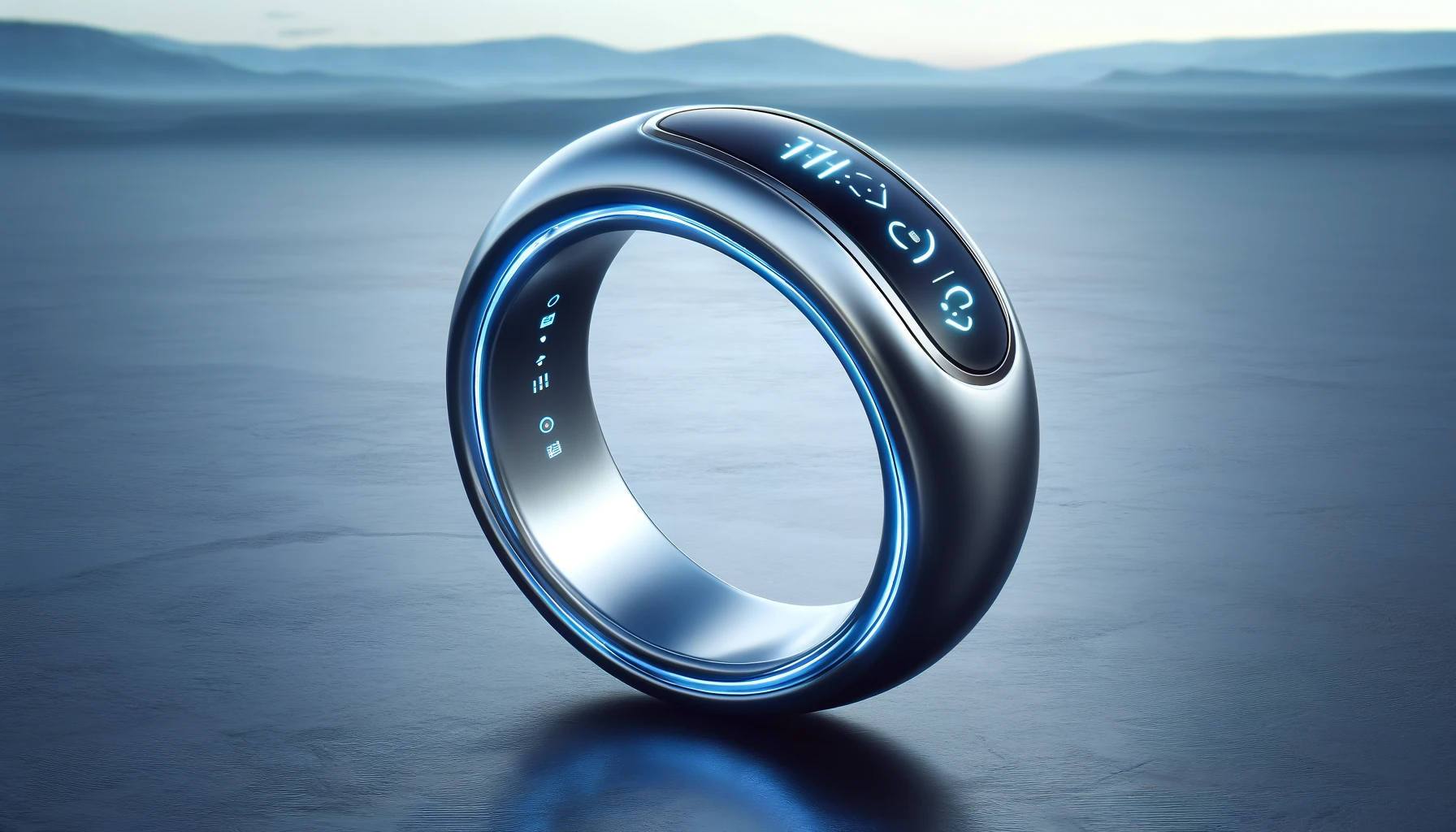
The smart ring market, a specialized subset of the wearable technology sector, is experiencing robust growth. These devices blend the elegance of traditional jewelry with the practicality of cutting-edge technology, offering features like fitness tracking, health monitoring, mobile notifications, and contactless payments. With technological advancements enabling smaller, more integrated sensors, smart rings are becoming an increasingly attractive option for consumers looking for non-intrusive and stylish wearable technology. This trend suggests that smart rings could potentially rival smartwatches in popularity. Smart rings provide a discreet, fashionable alternative that aligns with contemporary consumer preferences for minimalism and functionality. As consumers increasingly value convenience without sacrificing style, smart rings are well-positioned to become the new smartwatch, offering equivalent technological functionalities in a more subtle form factor.
The Evolution of Smart Rings: A Brief History
The 2000s saw the first serious attempts to create wearable technology that could be worn on a finger. These early smart rings were rudimentary and typically featured basic functionalities such as simple notification alerts. In 2005, the introduction of the first Bluetooth-enabled smart ring marked a significant technological milestone. The release of the NFC Ring in 2013 marked another major milestone. This ring allows users to unlock devices, share information through NFC (Near Field Communication), and even make contactless payments.
Smart Ring Market Overview: Style Meets Functionality
Smart rings are designed to be both aesthetically pleasing and functionally rich, offering a blend of fashion and cutting-edge technology that appeals to a tech-savvy audience looking for convenience and style. These devices typically feature:
- Fitness Tracking: Steps, calories burned, activity levels, and sometimes heart-rate monitoring.
- Sleep Monitoring: Tracking sleep patterns and quality.
- Notifications: Alerts for calls, texts, and app notifications through vibrations or small LED displays.
- Contactless Payments: NFC technology enabling users to make payments just by waving their hand.
- Health Monitoring: Some advanced rings are equipped with sensors to monitor vital signs like heart rate variability (HRV), body temperature, and even stress levels.
- Security Features: Biometric data and encryption for locking and unlocking devices.
Key Technologies Driving Smart Rings: NFC and Biometrics
Technologies such as NFC and biometric sensors are critical for enhancing the capabilities and applications of smart rings, making them versatile tools for health monitoring, contactless payments, and more.
One of the most crucial technology segments within the smart ring market is the integration of NFC (Near Field Communication) and Biometric Sensors:
- NFC Technology: Allows for contactless interactions, making smart rings a convenient tool for contactless payments and digital door unlocking systems. NFC-enabled rings can communicate with other NFC devices, providing a seamless and secure way to authenticate identity and transactions.
- Biometric Sensors: These sensors enhance the functionality of smart rings by enabling health monitoring and identity verification. By measuring biometric data such as heart rate, skin temperature, and even oxygen saturation, these rings can offer insights into a user’s health and fitness levels. Additionally, they can utilize unique biometric signatures for enhanced security measures, like controlling access to connected devices and services.
Market Size and Growth: The Rising Popularity of Smart Rings
The global smart ring market is experiencing robust growth, demonstrating significant economic potential and functional diversity:
The smart ring market was estimated at USD 210 million in 2023 and is projected to expand at a compound annual growth rate of around 24% from 2024 to 2032. These devices blend style with advanced technology, offering multiple functions. Typically equipped with sensors and connectivity options, smart rings allow users to monitor health indicators, receive updates, and make contactless payments.
Featured Smart Rings: Leading the Market in 2024
For those interested in smart rings that blend aesthetics with functionality, the market offers a variety of options featuring advanced technology for fitness tracking, health monitoring, and more. Some notable smart rings and their capabilities include:
- Oura Ring 3 Heritage - Recognized for its comprehensive health and sleep tracking, this ring monitors blood oxygen levels, sleep quality, resting heart rate, and skin temperature. It's highly regarded for its stylish design and long battery life, making it compatible with both iOS and Android devices (Digital Trends).
- Ultrahuman Ring Air - This ring stands out for its specialized features, including a dedicated workout mode that tracks heart rate during exercise to provide insights on workout intensity and cardiovascular response. It also offers unique features like Circadian Phase Alignment to enhance cognitive functions and overall wellness (Digital Trends).
- Amovan Smart Ring - Known for its durability, this ring is ideal for those who engage in rigorous physical activities. Crafted from high-strength titanium, it offers automatic sleep tracking and general fitness tracking, compatible with both iOS and Android (Digital Trends).
- Circular Ring Air - This ring is celebrated for its light weight and thin design, featuring sensors that monitor heart rate variability, blood oxygen saturation, and breathing rates among other health metrics (Wareable).
- RingConn - A recent addition to the smart ring market, RingConn is appreciated for its solid fit and accurate heart rate data. It also tracks sleep, stress levels, and provides general health insights, though it currently lacks workout tracking capabilities (Wareable).
Each of these rings brings something unique to the table, whether it's the durability for outdoor activities, comprehensive health tracking, or special features enhancing daily productivity and health management. They are designed to integrate seamlessly into daily life, providing a subtle yet powerful way to keep track of personal wellness and activities.
Smart Rings for Contactless Payments: Convenient and Secure
Smart rings equipped with NFC technology are becoming increasingly popular for contactless payments, offering convenience and security in everyday transactions. Here are some notable options available in 2024:
- McLEAR RingPay - This ring is a leader in the NFC payment ring market in the UK and Europe. It features a user-friendly app that allows for expenditure tracking and management of multiple rings. It's designed for durability and daily use, and is waterproof and scratch-resistant (SmartRingNews) (SmartRingNews).
- Token Ring - This versatile ring goes beyond contactless payments to include functionalities like access control and passwordless logins. Its use of fingerprint recognition enhances security, making it difficult to be stolen or hacked (SmartRingNews).
- K Ring - Available for MasterCard prepaid accounts in the UK and 28 EEA countries, K Ring can be used at millions of retail locations globally. It offers a secure and convenient payment method without the need for a PIN for transactions up to a certain limit, with higher value payments requiring a PIN in Europe (SmartRingNews).
- LAKS Ring2Pay - Specifically designed for contactless payments, this ring supports multiple European banks and the iCard digital wallet. It is a passive NFC device, meaning it doesn't require charging (SmartRingNews).
- Xenxo S-Ring - Although not yet commercially available, this ring promises to combine several smart functionalities including payments, a smart key, and a panic button, making it a comprehensive smart device accessory (SmartRingNews).
Each of these rings offers a unique set of features tailored to different user needs, from basic payment functions to multi-functional smart capabilities.
Drivers of Smart Ring Adoption: Why They're Gaining Traction
Several key factors are driving the adoption and increasing popularity of smart rings in the tech market:
- Increased Focus on Health and Wellness: The growing awareness and interest in personal health and fitness drives the demand for smart rings equipped with advanced sensors for tracking physical activity, heart rate, and sleep patterns.
- Growing Wearable Tech Adoption: The widespread adoption of wearable technologies contributes to the popularity of smart rings, offering users a discreet and fashionable alternative for accessing smart functionalities.
- Technological Advancements: Continuous improvements in miniaturization and battery life are crucial for enhancing the appeal and functionality of smart rings.
- Fashion and Customization: As wearables become more fashion-forward, there is a significant opportunity in the market for devices that can blend seamlessly with personal style.
- Contactless Payments Trend: The surge in contactless payment methods accelerates the adoption of smart rings with built-in payment features, providing users with a secure and convenient payment option.
- Expanding IoT Ecosystem: The integration of smart rings into the Internet of Things ecosystem, allowing users to control smart home devices and receive notifications directly on their fingers.
Challenges in the Smart Ring Market: Obstacles to Overcome
Let’s look at the two primary challenges that smart rings face:
- Battery Life: The compact size of smart rings constrains their battery capacity, which presents a significant challenge. These limitations affect the device's ability to sustain long-term usage without frequent recharging, impacting user convenience and overall practicality.
- Market Penetration: As a relatively new entry in the wearable technology landscape, smart rings struggle to penetrate the market. This challenge is intensified by the established presence and popularity of other wearables, such as smartwatches, which already have a broad user base and extensive market reach.
The Future of Smart Rings: Innovations on the Horizon
The future of smart rings is very bright as we continue to see advancements in wearable technology, particularly with the integration of AI and TinyML technologies in 2024. These technologies are not only enhancing traditional applications such as health monitoring and smart home integration but are also expanding into new professional domains including security and identity verification. This surge in functionality is paralleled by the evolution in electronic components, which are becoming increasingly compact, allowing for sophisticated sensors and logic boards to be embedded within the small form factor of a ring. Since the advent of smartphones, wearables have emerged as the next significant innovation in tech, and smart rings stand out as a potential leader in this new wave. They offer diverse functionalities, from fitness tracking to mobile control and online payments, and are expected to incorporate even more advanced features such as gesture interfaces, motion recognition, and battery-less energy harvesting in the future. As these devices become more embedded in daily life, they promise to transform user interaction through Natural User Interfaces, offering unprecedented convenience and connectivity. This progression underscores the transformative potential of smart rings to become as integral to our digital lives as smartphones once did.
