
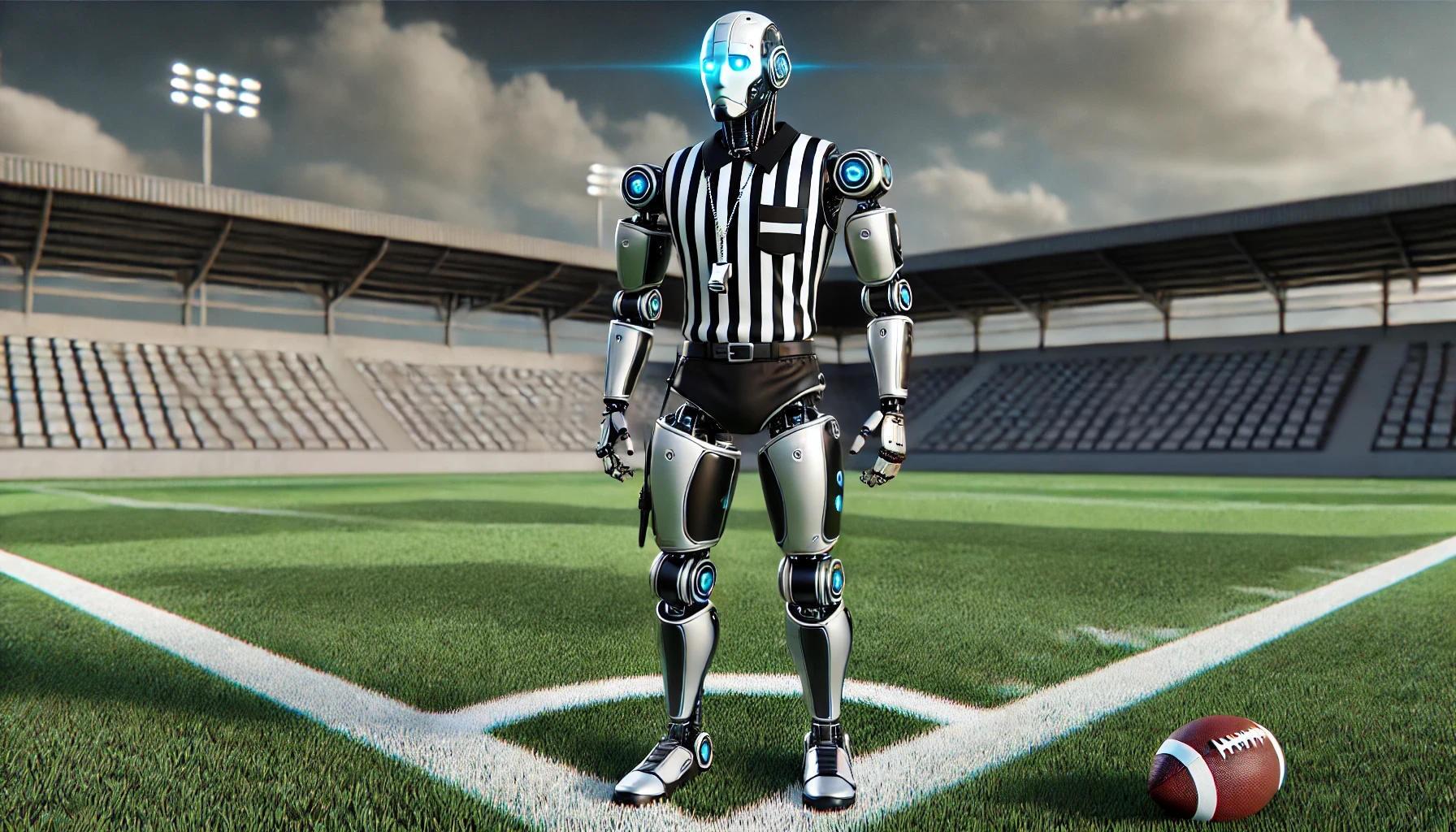
In recent years, the convergence of artificial intelligence (AI) and computer vision has significantly reshaped the landscape of sports officiating. Once reliant solely on human judgment, the field of sports officiating now benefits from advanced technologies that provide real-time, high-precision analyses of game events. This evolution not only enhances the accuracy of on-field decisions but also bolsters game fairness by mitigating the inherent limitations of human perception. The integration of AI-driven video analysis into instant replay systems exemplifies the cutting edge of this transformation.
The Evolution of Instant Replay in Sports
The history of instant replay technology is a testament to the desire for fairness and accuracy in sports. Early incarnations of instant replay were introduced primarily as a means to review contentious calls and clarify ambiguous situations. Over time, these systems evolved from simple video replays to sophisticated, multi-angle analyses that harness the power of computer vision. Innovations such as goal-line technology in soccer, the Hawk-Eye system in tennis and cricket, and video assistant referees (VAR) in various sports underscore the drive toward objective decision-making. These technologies laid the groundwork for the integration of AI, which now elevates the analysis from human-led observation to algorithm-driven insights.
The Mechanics of AI-Driven Video Analysis
At the core of computer vision technology in sports officiating are complex algorithms that process and interpret vast amounts of visual data in real time. These systems rely on deep learning techniques—often employing convolutional neural networks—to identify and track objects, such as the ball, players, and even subtle movements that may indicate rule infractions. For instance, when analyzing a potential offside situation in soccer, the system can determine the precise moment a player engages in play, cross-referencing spatial coordinates and movement trajectories with split-second timing data.
The computational power of modern processors, coupled with advances in sensor technology, enables these systems to operate at speeds that are critical in a fast-paced sporting environment. In addition, machine learning models are continuously refined with data from thousands of previous games, ensuring that the algorithms can recognize a wide array of scenarios—from common fouls to rare and unexpected events. The result is a decision-support tool that augments the referee’s judgment with empirical data, thereby reducing the margin for error.
Enhancing Game Fairness Through Objectivity
One of the most compelling arguments for the integration of computer vision in officiating is its potential to enhance fairness in sports. Human referees, despite their best efforts, are subject to cognitive biases and perceptual limitations. In high-pressure scenarios, even experienced officials may inadvertently miss crucial details or be influenced by factors such as crowd noise and player interactions. AI-driven video analysis, by contrast, offers an impartial evaluation of the events as they unfold.
By delivering consistent, data-backed assessments, computer vision systems help ensure that decisions are based on objective criteria rather than subjective judgment. This consistency is particularly valuable in situations where the human eye might struggle to discern critical details—for example, when evaluating whether a foul occurred in a split second or determining the precise location of a ball relative to a goal line. The use of these technologies not only promotes fairness but also bolsters public trust in the integrity of sports competitions.
Real-Time Decision-Making: A Game-Changer for Officiating
The application of AI-driven video analysis in real time represents a major leap forward for sports officiating. In scenarios where every millisecond counts, such as in fast-paced games like basketball or hockey, the ability to instantly review and analyze complex plays can make a decisive difference. Modern systems are designed to provide referees with a comprehensive suite of tools, including slow-motion replays, multi-angle views, and augmented overlays that highlight key moments of contact or movement.
In practice, the role of computer vision extends beyond simple error correction; it also serves as a predictive tool that anticipates potential rule violations before they escalate into major incidents. For instance, algorithms can monitor player trajectories and signal when a player is likely to commit a foul, thereby allowing referees to intervene proactively. Such capabilities not only improve the accuracy of officiating but also contribute to a more dynamic and responsive game environment.
Addressing Challenges and Limitations
Despite the clear advantages, the deployment of AI in sports officiating is not without its challenges. One significant concern is the potential for over reliance on technology. While computer vision systems provide valuable data, they are not infallible. Issues such as poor lighting, obstructions, or unusual camera angles can occasionally lead to misinterpretations by the algorithm. Furthermore, the complexity of certain plays may defy even the most advanced models, necessitating a careful balance between human judgment and machine assistance.
Another challenge lies in ensuring transparency and accountability. The proprietary nature of many AI algorithms means that the inner workings of these systems are often opaque to the public and even to the sports organizations that employ them. This lack of transparency can lead to skepticism and criticism, particularly when controversial decisions are made. Addressing these concerns requires not only technical refinement but also the development of regulatory frameworks that mandate regular audits, independent reviews, and clear communication regarding how decisions are reached.
Ethical and Regulatory Considerations
The integration of computer vision into officiating raises several ethical and regulatory issues. First, there is the question of data privacy and consent. As these systems rely on extensive video capture and analysis, stakeholders must navigate complex legal and ethical landscapes to ensure that players’ rights are respected. In addition, the potential for algorithmic bias—wherein the system may inadvertently favor certain outcomes based on the data it has been trained on—remains a critical area for scrutiny. Ensuring that the training datasets are representative and that the algorithms are regularly tested for bias is essential for maintaining the fairness and integrity of the system.
Regulatory bodies in sports are increasingly tasked with establishing guidelines for the use of AI in officiating. These guidelines must balance the need for technological innovation with the principles of fairness and transparency. As computer vision technologies become more pervasive, sports organizations must collaborate with technologists, ethicists, and legal experts to create robust standards that safeguard the interests of all participants.
The Future of AI in Sports Officiating
Looking ahead, the role of computer vision and AI in sports officiating is poised to expand further. Future advancements may include even more granular analysis of player movements and interactions, integration with other sensor data (such as wearable technology), and the development of real-time predictive models that can foresee and mitigate potential rule infractions before they occur. Moreover, these technologies are likely to extend beyond the confines of officiating into other areas such as coaching, player performance analysis, and fan engagement.
As the technology matures, one can expect a gradual shift toward hybrid models in which human judgment and AI-driven analysis work in concert. Such an approach leverages the strengths of both systems: the nuanced understanding and contextual awareness of human referees, combined with the precision and consistency of machine analysis. In doing so, the future of sports officiating promises not only to enhance game fairness but also to enrich the overall sporting experience.
Conclusion
The advent of AI-driven computer vision in instant replay and officiating marks a transformative moment in the evolution of sports. By providing real-time, data-driven insights, these technologies empower referees to make more accurate decisions, reduce human error, and promote fairness on the field. While challenges such as transparency, technical limitations, and ethical considerations remain, the ongoing refinement of these systems—and the collaborative efforts of sports organizations, technologists, and regulators—bodes well for the future.
Ultimately, computer vision should be seen not as a replacement for human officiating but as a powerful tool that complements it. In embracing this technology, the world of sports moves closer to an era where fairness and precision are not aspirations but standards. Such progress is vital for maintaining the integrity of competitive sports and ensuring that every decision is made in the spirit of fairness and excellence.
Contact us to learn more about how AI video analysis is transforming instant replay and officiating, ensuring real-time accuracy and enhanced game fairness.
For additional articles on AI, IoT, and emerging technology, visit the Tech Scope Connect Content Hub.