
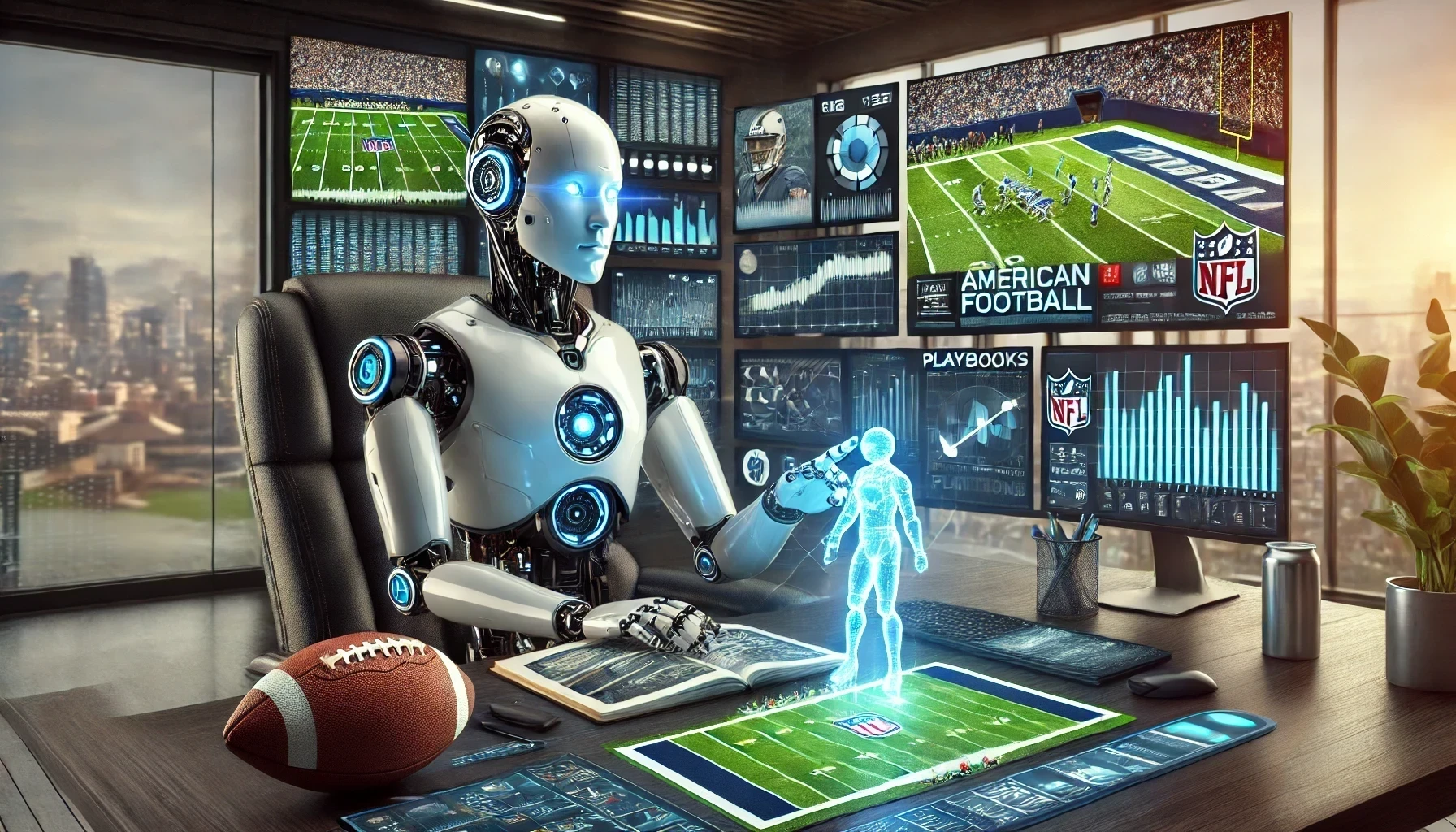
In the modern landscape of sports, artificial intelligence (AI) has emerged as a game-changing force—one that is reshaping how fans, analysts, and teams approach the game. The integration of machine learning into sports analytics has elevated the precision of predictions and insights, particularly when it comes to forecasting monumental events such as the Super Bowl. This blog examines the multifaceted role of AI-powered sports analytics, with a focus on the mechanisms by which machine learning models evaluate player performance, deconstruct team strategies, and leverage historical data to predict outcomes on football’s grand stage.
The Rise of AI in Sports Analytics
The evolution of AI in sports has been a gradual yet definitive process. Over the past decade, advancements in computing power and data availability have allowed machine learning models to analyze vast datasets at unprecedented speeds. In sports, where every play and every statistic can influence the final outcome, such technological advancements are not merely beneficial—they are indispensable. Scholars and practitioners alike have noted that the application of predictive analytics in sports has transitioned from a novel experiment to a core component of game-day strategy and post-game analysis.
Analyzing Player Performance Through Machine Learning
At the heart of AI-driven sports analytics lies the detailed analysis of individual player performance. Machine learning models are trained on comprehensive datasets that include player statistics, biometric data, and even in-game positional tracking. These models evaluate variables such as speed, acceleration, endurance, and decision-making under pressure. By synthesizing this data, AI systems can identify patterns and anomalies that may elude traditional statistical analysis. For instance, subtle improvements in a quarterback’s pass completion rate under high-pressure situations can signal a positive trajectory, thereby influencing predictions regarding overall team performance.
Moreover, these models are capable of adapting to new data in real time. As a game unfolds, live analytics can adjust predictions based on emerging trends and on-the-fly performance metrics. This dynamic approach enables coaches and analysts to make informed decisions about in-game tactics and substitutions—a capability that further underscores the critical intersection of data science and sports strategy.
Deconstructing Team Strategies with Advanced Algorithms
Beyond individual performance, machine learning models also provide nuanced insights into team strategies. By analyzing historical game footage, play-calling tendencies, and situational performance, AI can discern the strategic patterns that underpin a team’s identity. For example, clustering algorithms might reveal that a team consistently opts for a particular offensive formation in short-yardage situations or that their defensive alignment shifts in predictable ways during red-zone plays.
These insights are invaluable when preparing for high-stakes games such as the Super Bowl, where strategic nuance often differentiates the winners from the runners-up. By integrating this strategic data with real-time analytics, coaches can develop contingency plans that exploit identified weaknesses in their opponents’ strategies. In effect, AI-powered insights foster a more comprehensive understanding of the game, where both micro-level player metrics and macro-level team strategies coalesce into a cohesive predictive model.
Leveraging Historical Data for Super Bowl Predictions
Historical data plays a pivotal role in the development of machine learning models designed to forecast Super Bowl outcomes. Longitudinal datasets encompassing decades of game statistics, weather conditions, injury reports, and even coaching changes provide a robust foundation upon which predictive algorithms are built. When these historical datasets are combined with current season data, the resulting models are capable of identifying trends and correlations that may otherwise go unnoticed.
For example, a team’s performance in post-season play over several years might reveal resilience or vulnerability under specific conditions—data that is crucial when forecasting a one-off event like the Super Bowl. Additionally, historical analysis can highlight cyclical patterns, such as the impact of a coaching tenure or the evolution of a team’s offensive strategies over time. By accounting for these variables, AI systems can assign probabilistic outcomes to the myriad scenarios that could unfold during the game.
The Future of AI-Powered Predictions in Football
As machine learning models continue to evolve, so too will their applications in sports analytics. The ongoing refinement of algorithms, coupled with the ever-expanding repository of sports data, promises to further enhance the accuracy of Super Bowl predictions. Looking ahead, we can expect AI to become even more deeply embedded in both the strategic planning and the real-time decision-making processes that define modern football.
However, it is important to acknowledge that while AI can offer highly informed predictions, the inherent unpredictability of sports means that no model can guarantee absolute accuracy. Variables such as sudden injuries, weather changes, or unexpected player performance can always tip the scales in unforeseen ways. As such, AI should be viewed not as an oracle but as a powerful tool that augments human expertise and strategic insight.
Conclusion
The intersection of artificial intelligence and sports analytics represents one of the most exciting frontiers in modern sports. Through the meticulous analysis of player performance, team strategies, and historical data, machine learning models are reshaping our understanding of what it takes to predict outcomes in high-stakes competitions like the Super Bowl. While challenges and uncertainties remain, the progressive refinement of these analytical tools heralds a future where data-driven insights will increasingly define the competitive landscape of football.
In an era where every second counts and every play can alter the course of a season, AI-powered sports analytics offers a compelling glimpse into the future of game strategy and prediction—one where human intuition and machine precision work hand in hand to unlock new dimensions of competitive excellence.
Contact us to learn more about how AI sports analytics is transforming game predictions and revolutionizing football strategy.
For additional articles on AI, IoT, and emerging technology, visit the Tech Scope Connect Content Hub.