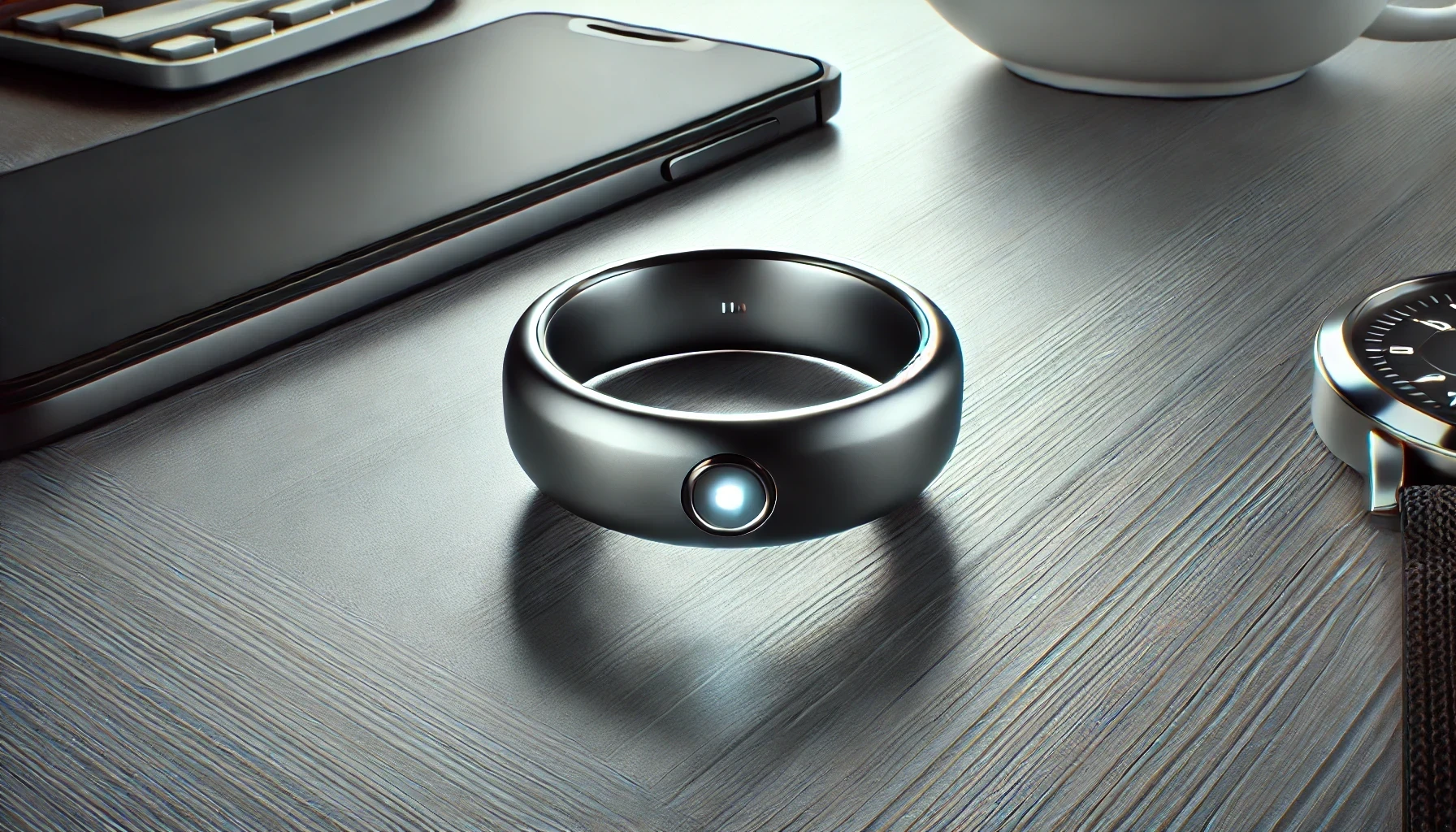
smart rings on the table
Technology

CES 2025 Spotlight: How Smart Rings Are Transforming Wearables

Smart rings are shaping up to be the next big thing in wearable technology. Offering a sleek, minimalist alternative to bulkier devices like smartwatches, these compact gadgets pack powerful functionality into a chic, finger-sized form. With innovations showcased at CES 2025, such as Circular’s breakthrough in digital sizing, smart rings are addressing user pain points and gaining mainstream appeal. Whether you're a tech enthusiast or a curious consumer, these wearables are worth your attention.


Why Smart Rings Are Becoming Essential

The rise of smart rings is not just a fad. These devices offer a range of features that cater to modern lifestyles:

  • Health Monitoring: From tracking heart rate to monitoring sleep patterns, smart rings provide detailed insights into personal health.
  • Discreet Design: Unlike larger wearables, smart rings blend seamlessly into daily attire, offering style without sacrificing functionality.
  • Enhanced Sizing Solutions: Innovations like Circular’s digital sizing ensure a perfect fit, addressing one of the most significant challenges for ring-based wearables.

At CES 2025, smart rings stole the spotlight with their cutting-edge advancements. Industry leaders demonstrated how these devices are evolving to meet user demands, from longer battery life to more precise tracking capabilities.


The Versatility of Smart Rings

Smart rings are versatile tools that go beyond health tracking. They can:

  • Streamline Productivity: Manage notifications, control smart home devices, or authenticate secure transactions with a simple gesture.
  • Prioritize Sustainability: Many models feature eco-friendly materials, catering to environmentally conscious consumers.
  • Complement Existing Tech: Smart rings integrate seamlessly with smartphones and other devices, enhancing their utility.


What Sets Smart Rings Apart at CES 2025

One standout trend at CES 2025 is the push for accessibility and user comfort. Circular’s digital sizing technology eliminates guesswork by ensuring users get the perfect fit, reducing returns and enhancing customer satisfaction. This innovation highlights how smart rings are overcoming barriers to adoption, making them more practical and appealing than ever.

A notable statistic: The global smart ring market is projected to grow significantly, reaching approximately $1.1 billion by 2030, driven by increasing demand for wearable technology that combines style and functionality.


Conclusion

Smart rings are no longer just a futuristic concept; they are rapidly becoming a staple of wearable technology. With innovations that prioritize both form and function, these devices offer a compelling alternative to traditional wearables. Whether you’re interested in health tracking, productivity, or simply staying ahead of tech trends, smart rings are worth exploring.

Contact us to learn more about the potential of smart rings and how they’re reshaping the wearable tech landscape.


For an in-depth look at smart rings and their evolution, check out Smart Rings: The Chic Successor to Smartwatches.

Read More
honda cars image concept
Technology

Honda Zero: Redefining the EV Landscape at CES 2025

Honda Zero has taken the spotlight at CES 2025, showcasing Honda’s bold steps toward sustainable mobility and cutting-edge technology. As the automotive industry pivots to prioritize zero-emission solutions, Honda’s latest innovation—a series of SUVs and saloons powered by advanced AI and electric capabilities—is setting a new standard. The introduction of the Asimo OS marks a significant leap in vehicle intelligence, promising to reshape how we view electric vehicles (EVs) in the age of smart mobility.


What Makes Honda Zero a Game-Changer at CES 2025?

At CES 2025, Honda Zero demonstrated a fusion of sustainability and advanced technology. The line of vehicles is designed not just for emission-free travel but also to incorporate AI features that enhance safety, convenience, and efficiency.

The highlight of this launch is the Asimo OS, a sophisticated AI platform derived from Honda’s iconic humanoid robot. This operating system enables predictive navigation, adaptive learning, and personalized driver assistance. These features make Honda Zero a standout contender in the EV market, where integration of AI and sustainability is quickly becoming the norm.


Honda’s Bold Move Toward Sustainable Mobility

Honda Zero aligns with global goals to reduce carbon emissions and increase EV adoption. According to recent projections, EV sales are expected to grow by 30% in 2025 alone. This surge underscores the urgency for automakers to innovate with zero-emission solutions that cater to a tech-savvy audience.

The vehicles’ design reflects Honda’s commitment to sustainability without sacrificing performance. Aerodynamic efficiency, fast-charging technology, and long-range capabilities make these vehicles practical for everyday use. By marrying AI with EV technology, Honda Zero addresses both environmental and consumer demands, offering a compelling alternative to traditional vehicles.


Why Honda Zero Stands Out in a Crowded EV Market

In a market saturated with EVs, Honda Zero differentiates itself through its unique focus on AI integration. The Asimo OS enables the vehicles to:

  • Predict and adapt to traffic conditions in real time.
  • Offer personalized settings based on driver behavior.
  • Enhance passenger safety with AI-driven alerts and automatic braking systems.

These features position Honda Zero as more than just a zero-emission vehicle—it’s a smart mobility solution. The inclusion of SUVs and saloons ensures that the line appeals to a wide range of consumers, from families to business professionals.


Conclusion

Honda Zero’s debut at CES 2025 signals a new chapter in the evolution of EVs. By integrating advanced AI capabilities with zero-emission technology, Honda is paving the way for smarter, more sustainable mobility solutions. This innovation is a testament to how technology can drive progress in the automotive industry while meeting the challenges of climate change and modern transportation needs.

Contact us to explore how Honda Zero and similar breakthroughs are shaping the future of mobility.

Looking for more articles on AI, IoT, and emerging technologies? Explore the Tech Scope Connect Content Hub.

Read More
companion robot image concept
Technology

Exploring the Role of AI Robot Companions at CES 2025

AI robot companions are taking center stage at CES 2025, captivating audiences with their potential to revolutionize human connection. These advanced robots, designed to engage emotionally and provide practical support, are more than just tech marvels—they are symbols of a rapidly evolving relationship between humans and AI. From Ropet’s innovative showcase to emerging trends in emotional intelligence, CES 2025 is shining a spotlight on the possibilities of AI-powered companions.


What Makes an AI Robot Companion Unique?

AI robot companions are distinct from traditional robots due to their ability to mimic human-like emotions and behaviors. They’re not just functional tools; they’re designed to interact, empathize, and adapt. For instance, Ropet’s latest innovation at CES 2025 highlights AI companions capable of recognizing facial expressions and responding with tailored emotional cues. This level of interaction positions them as both helpers and companions, filling gaps in areas like healthcare, education, and even combating loneliness.


Key Trends in AI Robot Companions at CES 2025


1. Emotional Intelligence: The Next Frontier

One standout trend at CES 2025 is the push toward emotional intelligence in AI robot companions. These robots are now equipped with algorithms to detect and respond to subtle human emotions, creating deeper connections. By analyzing voice tones, gestures, and facial expressions, they can tailor their responses to suit individual needs.


2. Practical Applications for Everyday Life

From home assistance to eldercare, AI robot companions are increasingly versatile. Imagine a robot companion reminding elderly users to take medication or helping kids with homework through interactive learning. The practical potential showcased at CES 2025 demonstrates that these robots are more than futuristic concepts—they’re tools for improving daily life.


How AI Robot Companions Are Addressing Societal Challenges

AI robot companions are also gaining attention for their ability to tackle pressing societal issues. For instance, they are being positioned as solutions for the growing problem of social isolation, particularly among older adults. According to a recent study, over 40% of adults aged 65 and older experience loneliness. AI companions, with their ability to engage in meaningful interactions, are proving to be a valuable tool in mitigating these challenges.


Challenges and Ethical Considerations

As exciting as the advancements are, there are challenges to consider. Questions about data privacy, ethical programming, and the societal impact of AI companions remain unresolved. Critics argue that overreliance on AI could lead to reduced human interaction, while advocates emphasize the importance of ethical oversight to ensure responsible use.


A Glimpse into the Future

CES 2025 has made it clear that AI robot companions are not just tech trends; they’re a glimpse into the future of human-AI relationships. These robots are poised to redefine how we connect, learn, and live. As we explore their potential, it’s crucial to address ethical considerations and embrace innovation responsibly.

Contact us if you want to learn more about how AI robot companions are shaping the future.

For more technology articles like this, visit our Content Hub at Tech Scope Connect.

Read More