
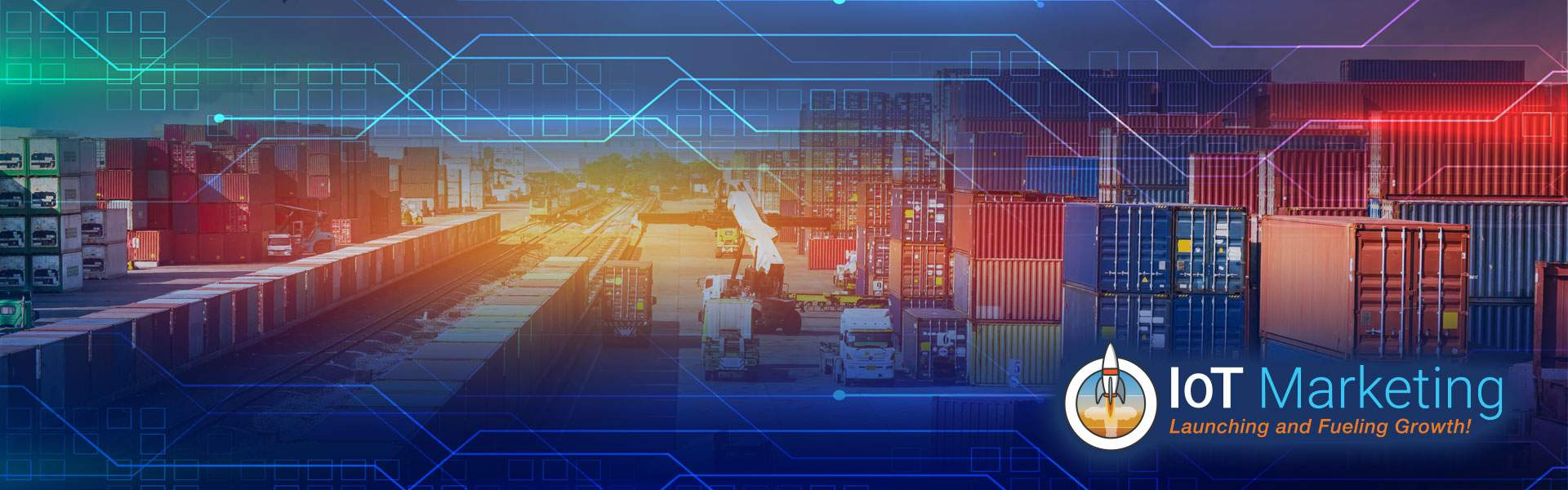
The logistics industry is evolving rapidly because the pandemic has forced fundamental changes in how supply chains operate. A focus on digital transformation and company resilience has helped pave the way for more efficient logistics practices that cut costs and waste. Here’s a look at the top five challenges these transportation and warehousing firms face in 2022.
1. Dealing with Crowded Ports
Port congestion has slowed down shipping for years, according to the National Customers Brokers & Forwarders Association of America (NCBFAA). But the pandemic created even worse congestion, especially when thousands of truck drivers decided to quit their jobs.
Shippers have experienced record wait times at the nation’s busiest ports such as Los Angeles and Long Beach. The exchange of imports and exports has suffered bottlenecks in the process, partly due to the world’s largest shippers taking up so much space and creating delays.
2. Overcoming High Transportation Costs
Shipping delays from port congestion have led to skyrocketing storage fees for owners of containers carrying freight. Rising fuel prices have also contributed to widespread inflation that affects all industries involved with shipping. From 2020 to 2021, gas prices rose 40 percent, causing many supply chain managers to rethink logistics.
Manufacturers must reevaluate their supply chain members and look for ways to achieve greater fuel efficiency. IoT sensors connected to vehicles are helping transportation companies monitor the condition and fuel efficiency of their fleets. Another solution is to strategically open small distribution centers where inventory can be stored closer to end users.
3. Using Automation to Resolve Labor Shortages
The “great resignation” of the pandemic era has led to faster adoption of automation hardware and software that handles tasks once performed by humans. Widespread layoffs due to budget tightening have also reduced corporate workforces. Supply chain managers may need to rely on smaller teams that work closer together than in the past when different department personnel operated in silos.
Autonomous vehicles and machines that pick and pack items are part of the solution to meet the challenges of labor shortages in warehouses. Machine learning software can also fill the void in labor, as it can scan vast amounts of data in seconds to formulate solutions for system problems. As supply chains embrace more automation, it will be imperative for logistics firms to hire talent with strong analytical skills.
4. Compliance with Government Regulations
One of the most important themes of this decade is environmental safety. Companies are becoming increasingly aware of the pressure from governments and consumers for manufacturers to adopt eco-friendly solutions. The writing is on the wall that in the future governments will increase penalties on polluters, so it’s crucial for manufacturers to lead as pioneers in greener solutions.
Another area of regulatory concern is cybersecurity. The Colonial Pipeline hack of 2021 proved that corporations of any size can be breached by cybercriminals. As cybercrime continues to escalate, government action will likely lead to stricter regulations on protecting confidential data.
5. Aiming for Greater Sustainability
The supply chain crisis during the pandemic is partly due to material shortages. The Institute of Supply Chain Management (ISM) has reported that every major commodity has either increased in price or is undergoing a supply shortage. This dynamic puts a strain on supplier relationships, as executives understand that consumers lose interest in brands with rising prices and slower deliveries.
Supply chain managers must respond by making lead times more flexible. They must also be selective about building inventory that is in sync with market demand. These executives must plan ahead more into the future to reduce effects of empty store shelves. Creating a more diversified list of suppliers and backups can help mitigate material shortages.
Consumers are now studying packaging more carefully to check for healthy ingredients in food and more eco-friendly packaging. The investment community is also becoming increasingly concerned about sustainability from both financial and environmental perspectives.
Manufacturers embracing electric trucks can lower transportation costs and emissions at the same time. Companies that invest in solar panels help cut energy costs, energy waste, and pollution.
Conclusion
Resilience and strategic planning are the keys to facing supply chain challenges in 2022. Managers must be open to more flexible ways for running logistics operations. While digital technology provides some of the answers, hiring motivated and qualified personnel is just as important for moving product. Improvements in the transportation and warehousing industries are already underway, as new technology and analytical minds are helping revolutionize supply chains.
