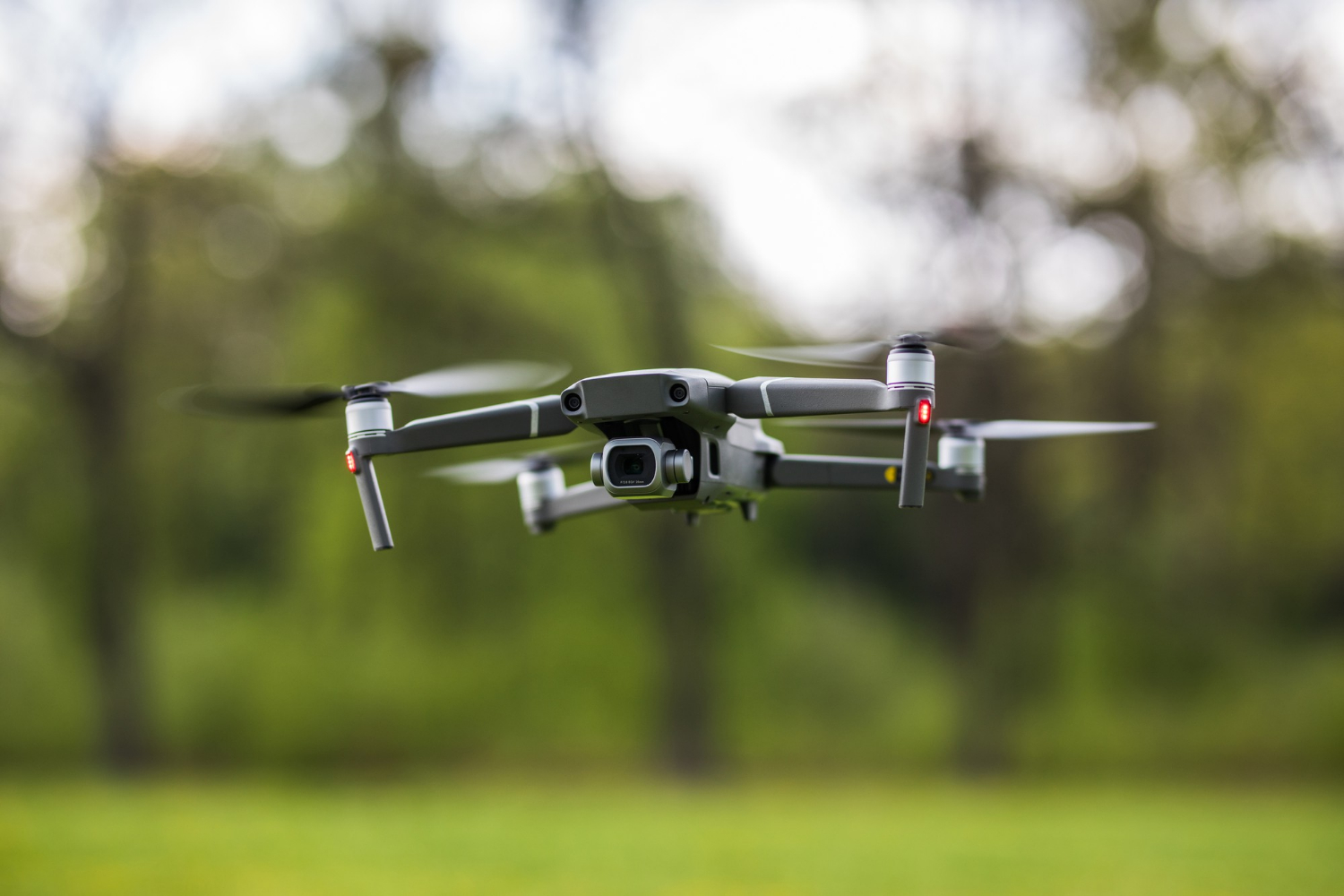
drone
Drones

Revolutionizing the Skies: A Comprehensive Guide to the Evolution and Impact of Drone Technology

Introduction 

The evolution of drone technology is a fascinating story that traces the progression from simple unmanned balloons to advanced versatile aircraft. This evolution is not just a testament to human ingenuity but also to the confluence of advancements in diverse fields such as aviation, robotics, and computer science. This article delves into this remarkable journey, exploring the historical milestones and the current state of drone technology, while also casting an eye towards its future developments and challenges.


The Historical Progression of Drone Technology

Initially, military requirements drove the development of these vehicles. However, in the past few decades consumer drones have risen to prominence. Numerous companies and inventors have contributed to the development of aerial vehicles, let’s look at a few key examples.   

Early Beginnings (Pre-1900s)

  • Austro-Hungarian Balloons (1849): Often cited as the earliest instance of unmanned aerial vehicles, the Austro-Hungarian Empire used unmanned balloons loaded with explosives to attack Venice.

World War I

  • Automatic Airplane:  During World War I the first controllable unmanned aircraft took to the skies. The British Ruston Proctor Aerial Target was first tested in March 1917 while the American Kettering Bug aerial torpedo first flew in October 1918.

World War II

  • Military Advancements: World War II propelled significant advancements in drone technology. The U.S. and Nazi Germany developed various UAV prototypes for training, reconnaissance, and combat roles. One infamous UAV that saw combat action in WWII is the German V-1 flying bomb, which was first launched on June 13, 1944, to attack London.

Cold War Era

  • Surveillance Drones (1950s-1970s): The Cold War significantly accelerated UAV development, particularly in the U.S. Initially used for surveillance, these drones were employed to gather intelligence in hostile territories. In later years, the development of UAVs expanded to include combat roles.

Modern Era (1980s - 2000s)

  • Commercial and Recreational Use: With the advancements in technology and reduction in costs, drones began to be used for commercial and recreational purposes.
  • GPS Integration (1990s): The integration of GPS technology significantly enhanced the capabilities of drones, allowing for greater control and accuracy.

21st Century

  • Rise of Consumer Drones: The early 2000s saw a boom in consumer drones, led by companies like DJI, Parrot and 3D Robotics. These drones became popular for photography, videography, and as a hobby.
  • Broadening Applications: Drones began to be used in a wide range of commercial applications, from agriculture to real estate, and emergency response.

In summary, the history of drone technology is marked by its transition from a military tool to a versatile asset across numerous industries, driven by continuous innovation and adaptation. In the next paragraph we’ll look at the current technology.


Understanding Today's Drone Technology

Drone technology, often referred to as unmanned aerial vehicles (UAVs), encompasses a wide range of aircraft systems that are operated without a human pilot onboard. These systems have evolved significantly over the years, leading to a variety of applications in both the consumer and commercial sectors. Here's an overview of key aspects of drone technology:

Exploring Types of Drones: Multi-Rotor, Fixed-Wing, and Beyond

  1. Multi-Rotor Drones: The most common type, typically used for photography, surveillance, and hobbyist flying. These include quadcopters, hexacopters, and octocopters.
  2. Fixed-Wing Drones: Resembling traditional airplanes, these drones are capable of longer flight times and can cover larger distances. They are often used for mapping and surveying large areas.
  3. Single-Rotor Drones: Similar to helicopters in design, these drones have one large rotor and a tail rotor. They are more efficient than multi-rotors and are used for specialized tasks that require longer flight times and heavier payloads.
  4. Hybrid VTOL (Vertical Take-Off and Landing): These drones combine the features of fixed-wing and rotor-based systems, allowing for vertical takeoff and landing, as well as efficient horizontal flight.

Decoding Drone Components: From Airframes to Advanced Payloads

  • Airframe: The physical structure of the drone, typically lightweight to optimize for flight efficiency.
  • Propulsion System: Includes motors, propellers, and batteries. Electric motors are most common, but some larger drones use gasoline or solar power.
  • Navigation System: Often GPS-based, allowing for precise positioning. Some drones also use vision or sensor-based systems for navigation, especially in GPS-denied environments.
  • Control System: Includes remote controls or autonomous flight systems. Autonomy in drones is increasing, with advanced AI and machine learning algorithms.
  • Payload: Refers to the equipment a drone carries, such as cameras, sensors, or cargo. The payload varies greatly depending on the drone's application.

Drone technology continues to evolve rapidly, opening new possibilities and applications across various sectors, reflecting a blend of advancements in aerospace, robotics, and computer science.


Cutting-Edge Innovations Shaping Modern Drones

The realm of drone technology has witnessed substantial advancements in recent years, significantly enhancing their capabilities and applications. These technological innovations can be broadly categorized into several key areas:

The Leap into Autonomy and AI: Transforming Drone Capabilities

  • Autonomy: Modern drones have evolved from being remotely piloted to achieving higher levels of autonomy. This includes the ability to navigate and perform tasks without constant human intervention, using technologies such as GPS and computer vision.
  • AI Integration: Artificial Intelligence (AI) plays a crucial role in drone technology, enhancing capabilities in areas like obstacle detection, image recognition, and autonomous decision-making. AI enables drones to analyze data in real-time, adapt to changing environments, and execute complex tasks more efficiently. This integration is pivotal in applications ranging from precision agriculture to search and rescue operations.

Battery, Range, and Payload: Advancements Defining Drone Efficiency

  • Battery Life: There has been significant progress in improving drone battery life, primarily through advancements in lithium-polymer and lithium-ion batteries. This allows for extended flight times, reducing the need for frequent recharging and enhancing operational efficiency.
  • Range and Payload: Alongside battery life, the operational range and payload capacity of drones have also improved. Modern drones can cover larger distances and carry heavier payloads, including advanced sensors and equipment, thereby expanding their utility in various fields.

Sensors and Cameras: Enhancing Drone Applications through Technology

  • Sensors and Cameras: Technological innovations have led to the incorporation of advanced sensors and cameras in drones. These include high-resolution cameras for detailed imaging, thermal sensors for night operations, and multispectral sensors for agricultural assessments. These enhancements have broadened the scope of drone applications in areas like mapping, environmental monitoring, and precision farming.
  • Data Processing: Enhanced data processing capabilities are a cornerstone of modern drone technology. This involves processing and analyzing the vast amounts of data collected during drone flights, often using sophisticated algorithms and AI. This capability is crucial for applications that require real-time data analysis and decision-making.

The Intersection of 5G, IoT, and Drones

  • 5G Connectivity: Ushering a New Era for Drone Operations: The integration of 5G technology with drones is set to revolutionize their operations. 5G offers faster data transmission speeds and reduced latency, significantly improving communication and control, particularly in applications like drone swarms and BVLOS (Beyond Visual Line of Sight) operations.
  • IoT Integration: Expanding the Horizons of Drone Functionality: The Internet of Things (IoT) plays a significant role in enhancing drone capabilities. By integrating drones into IoT networks, they can communicate with other devices and systems, leading to more coordinated and intelligent operations. This is particularly relevant in smart city applications, agricultural monitoring, and industrial inspections.

In summary, the technological innovations in drones, spanning autonomy, AI integration, battery and payload improvements, sensor advancements, and the incorporation of 5G and IoT, collectively contribute to the increasing sophistication and versatility of drone technology. These advancements not only enhance the capabilities of drones but also open up new possibilities for their application across various sectors.


Drones' Influence Across Diverse Industries

Drones, or unmanned aerial vehicles, have significantly impacted various sectors due to their versatility, efficiency, and unique capabilities. One way to show that is by looking at the numbers. The global agriculture drone market is estimated to be valued at $3,807 million in 2023, and the military drone market is expected to reach $11.47 billion by 2024. The potential for drones in the global infrastructure market, like land surveys and asset inspections, is estimated as high as $45 billion. Furthermore, in early 2022, more than 2,000 commercial drone deliveries were occurring daily worldwide, indicating that drones are increasingly becoming an integral part of the delivery supply chain. Here's a detailed look at their impact across different industries:

Revolutionizing Agriculture with Drones: From Farming to Crop Monitoring

  • Precision Farming: Drones have revolutionized agriculture by enabling precision farming. They provide farmers with detailed aerial views, making it easier to assess crop health, monitor growth, and manage resources more efficiently.
  • Crop Monitoring and Health Assessment: With advanced imaging technology, drones can identify areas that need attention, helping in targeted application of fertilizers and pesticides, and reducing waste.
  • Irrigation Management: Drones equipped with thermal cameras can help farmers in identifying dry areas and improving their irrigation systems.

Building the Future: Drones in Construction and Real Estate

  • Site Surveying: In construction, drones offer a safer and more efficient way to survey sites. They provide high-resolution images that help in creating accurate maps and models for planning and monitoring construction progress.
  • Structural Inspections: Drones can access hard-to-reach areas like tall buildings and bridges, enabling regular inspections without the need for scaffolding or cranes.
  • Progress Monitoring: They allow project managers to monitor construction progress in real-time, ensuring that projects stay on track and within budget.
  • Inspection and Maintenance: Useful for inspecting infrastructure like wind turbines, pipelines, power lines, bridges, and telecommunications infrastructure, such as cell towers.

Real Estate

  • Property Showcasing: Drones are extensively used in real estate for aerial photography and videography. They provide potential buyers with a comprehensive view of properties and their surroundings.
  • Marketing and Advertising: High-quality aerial shots captured by drones are used in marketing materials, enhancing the appeal of properties and aiding in sales.

Enhancing Public Safety: The Role of Drones in Search, Rescue, and Law Enforcement

  • Search and Rescue Operations: Drones play a crucial role in search and rescue operations, especially in inaccessible areas. They can quickly cover large areas and use thermal imaging to locate missing persons.
  • Disaster Management: In the aftermath of natural disasters, drones are used for damage assessment, mapping affected areas, and assisting in planning rescue and relief efforts.
  • Law Enforcement: Police forces utilize drones for surveillance, crowd monitoring, and crime scene analysis, enhancing public safety and operational efficiency.
  • Firefighting: Drones are increasingly used in firefighting for various critical tasks. They provide aerial surveillance, offering real-time images and data on the spread and intensity of fires, which is invaluable for strategic planning and resource deployment. Equipped with thermal imaging cameras, drones can identify hotspots invisible to the naked eye, helping firefighters target key areas and track the fire's movement, even through smoke. Some drones also carry payloads like water or fire retardants, directly contributing to firefighting efforts. This technology enhances firefighter safety by reducing the need for close proximity to dangerous and unpredictable fire zones.

Environmental Conservation and Monitoring with Drones

  • Wildlife Conservation: Drones are used to monitor wildlife populations, track migration patterns, and combat poaching.
  • Environmental Assessment: They provide a means to monitor environmental changes, assess the health of ecosystems, and aid in environmental research and conservation efforts.
  • Pollution Monitoring: Drones equipped with sensors can gather data on air and water quality, helping in the identification and management of pollution sources.

Other Sectors

  • Delivery and Logistics: Drones are increasingly being utilized, particularly for efficient last-mile deliveries in challenging urban and remote areas.
  • Healthcare: In remote or hard-to-reach areas, drones are being used to deliver medical supplies, blood, and vaccines.
  • Photography and Videography: Popular in media, real estate, and tourism for capturing aerial footage.

To conclude, drones are increasingly becoming indispensable tools in various sectors, offering innovative solutions to traditional challenges. Their ability to gather detailed data, access hard-to-reach areas, and perform tasks efficiently makes them a valuable asset in modern operations across numerous industries.


Conclusion

Reflecting on the Transformative Journey of Drones: In summarizing our exploration of drone technology, it's clear that this field has experienced a remarkable transformation over the past century. From humble unmanned balloons to sophisticated multi-functional aerial vehicles, drone technology has reached remarkable heights. The current drone market is characterized by dynamic growth and diversification, fueled by technological advancements that have expanded applications across various sectors. Commercial and consumer segments of the market have witnessed significant expansion, with drones increasingly being utilized for tasks like surveying, aerial photography, and emergency response.

Envisioning the Future: The Unstoppable Rise of Drone Technology: Looking ahead, the potential impact of drones across various sectors is vast and varied. In agriculture, drones are revolutionizing farming practices through precision agriculture, while in construction and real estate, they are enhancing efficiency and providing novel perspectives. Drones are also becoming crucial in public safety operations, environmental monitoring, and healthcare delivery, particularly in remote or hard-to-reach areas. The integration of drones with emerging technologies like AI, 5G, and IoT is set to further enhance their capabilities and applications.

The future direction of drone technology is towards increased autonomy and integration. As regulations evolve and technology advances, we can expect drones to become more autonomous, intelligent, and integrated with other technological systems. This evolution will open up new possibilities and applications, solidifying the role of drones as invaluable tools across numerous industries. The journey of drone technology, from its military origins to its current widespread applications, is a testament to human ingenuity and innovation. It is a journey that is far from over, with the future promising even more groundbreaking developments in the world of unmanned aerial vehicles.

Read More
drone
Drones

Skyward Bound: Navigating the Evolving Terrain of the Global Drone Market

Launching Into the Drone Era: An Exploration of Market Dynamics and Technological Advances 

The global drone market, characterized by its dynamic and swiftly transforming nature, is undergoing a phase of remarkable growth and diversification. This surge is driven by substantial advancements in drone technology, which include the development of more sophisticated sensors, improvements in battery longevity, and enhanced data processing capabilities. Additionally, the increasing demand for drones across a variety of sectors, notably agriculture, construction, and logistics, is a crucial factor contributing to this growth.


A High-Flying Overview: Analyzing the Current State and Valuation of the Global Drone Market

The international commercial drone market is currently witnessing substantial growth and diversification. As of 2023, is valued at approximately USD 20.7 billion, with projections indicating a rise to about USD 84.3 billion by 2028. This represents a compound annual growth rate (CAGR) of approximately 25.9% over this timeframe. Such expansion is primarily driven by technological advancements in drones, including enhanced sensors, extended battery life, and superior data processing abilities, coupled with escalating demand in sectors such as agriculture, construction, and logistics.

Geographically, North America, and particularly the United States, hold a significant position in this market. In 2021, the region's market size was around USD 3.24 billion, and it's expected to maintain this leadership through the forecast period, driven by commercial drone adoption and the presence of leading manufacturers. Europe is also experiencing robust growth, especially in countries like Germany, France, and the UK, propelled by diverse commercial drone applications and major industry players.

The Asia Pacific region is poised for rapid growth, with Japan and China as key contributors, fueled by significant investments in drone technology and the presence of major manufacturers like DJI and TerraDrone.

In terms of market segmentation, commercial drones are categorized based on technology (fully autonomous, semi-autonomous, remote operated), system components (hardware and software), and applications (including filming & photography, mapping & surveying, agriculture, inspection & maintenance, and delivery & logistics). In 2022, the hardware segment, comprising airframes, propulsion systems, payloads, etc., dominated the market share. The filming & photography segment also held a significant share in 2022, while the delivery and logistics sector is expected to witness a higher CAGR throughout the forecast period.

Key market players include DJI (China), Yuneec (China), Parrot Drone (France), AeroVironment Inc. (U.S.), Autel Robotics (China), among others. These companies are engaging in expanding their product portfolios, launching innovative products, and forming strategic partnerships to solidify their market positions.

This dynamic growth and the broadening applications of commercial drones highlight their escalating relevance across various industries, heralding ongoing market growth and technological advancements in the upcoming years.


Drones in Focus: Dissecting Market Segments from Personal to Professional Uses

The global drone market is diverse and multifaceted, encompassing various segments. These segments can be categorized based on application, type of drone, and end-user industries. Here's a breakdown of the primary segments of the global drone market, ranked approximately by their current market size and significance:

  1. Consumer Drones: This is typically the largest segment, driven by the popularity of drones for personal use, including photography, recreation, and hobbyist activities. Consumer drones are generally more affordable and user-friendly.
  2. Commercial Drones for Aerial Photography and Videography: Widely used in filmmaking, real estate, and media, this segment focuses on drones equipped with high-quality cameras and imaging systems.
  3. Agricultural Drones: These drones are used for crop monitoring, spraying pesticides and fertilizers, and managing agricultural operations. The use of drones in precision agriculture is growing rapidly.
  4. Inspection and Monitoring Drones: This segment includes drones used for inspecting infrastructure like pipelines, power lines, bridges, and wind turbines, as well as environmental monitoring and surveying.
  5. Construction and Mining Drones: Employed for surveying, mapping, and monitoring construction sites and mining operations, these drones help in planning and tracking progress.
  6. Public Safety and Emergency Response Drones: These drones are used by police, fire departments, and emergency services for search and rescue operations, surveillance, and disaster response.
  7. Delivery and Logistics Drones: Although a smaller segment currently, it's rapidly growing with experiments and implementations in drone-based delivery systems by companies like Amazon, UPS, and others.
  8. Healthcare and Medical Drones: This emerging segment involves the use of drones for transporting medical supplies, blood, and vaccines, especially to remote or hard-to-reach areas.
  9. Energy Sector Drones: Used for inspecting oil and gas infrastructure, solar panels, and wind turbines, this segment is critical for maintaining and monitoring energy infrastructure.
  10. Environmental and Wildlife Conservation Drones: Drones used for tracking wildlife, monitoring environmental conditions, and supporting conservation efforts represent a smaller yet significant segment.

It's important to note that the sizes of these segments can vary based on the geographical region and are subject to change over time due to technological advancements, regulatory changes, and market dynamics. This ranking provides a general overview of the market as it currently stands, highlighting the most significant areas of application in the global drone market.


Vision in the Skies: Comparing VLOS and BVLOS in Drone Operations


Visual Line of Sight (VLOS) and Beyond Visual Line of Sight (BVLOS) are two operational modes in the drone industry that dictate how drones can be piloted relative to the operator's line of sight. These modes are crucial in defining the range, application, and regulatory aspects of drone operations.


Visual Line of Sight (VLOS)

  1. Definition: VLOS refers to drone operations where the pilot must keep the drone within their direct visual line of sight at all times. This means the drone must be visible to the pilot without the aid of any devices other than corrective lenses (like glasses).
  2. Role in the Drone Industry:
    • Safety: VLOS is considered safer as the pilot can directly see and avoid obstacles or other aircraft.
    • Regulatory Compliance: Most drone regulations, especially for recreational and some commercial uses, require VLOS to minimize risks.
    • Applications: Ideal for localized tasks like aerial photography, hobbyist flying, and small-scale inspections.
  3. Limitations:
    • Range: The operational range is limited to a few hundred meters, depending on visibility conditions.
    • Operational Scope: VLOS limits the efficiency in large-scale operations like extensive agricultural surveys or long-distance inspections.

Beyond Visual Line of Sight (BVLOS)

  1. Definition: BVLOS refers to drone operations where the drone flies beyond the range of the operator's direct visual contact. These operations often rely on advanced technologies like GPS, autonomous flight systems, cameras, and sensors to navigate and avoid obstacles.
  2. Role in the Drone Industry:
    • Extended Range and Coverage: BVLOS enables drones to cover much larger areas than VLOS operations. This is particularly valuable in industries like agriculture for crop monitoring, in large infrastructure inspections (like pipelines and power lines), and in environmental monitoring, where large tracts of land or hard-to-reach areas need to be surveyed.
    • Efficiency and Cost-Effectiveness: By allowing drones to travel further without the constraint of being within the operator's line of sight, BVLOS operations can be more efficient and cost-effective. It reduces the need for multiple take-off and landing points or the need for operators to physically follow the drone.
    • Emergency Response and Search & Rescue: In emergency situations, BVLOS capabilities are crucial. Drones can be quickly deployed to assess disaster zones, locate survivors in search and rescue operations, or deliver emergency supplies in areas that are difficult to access by traditional means.
    • Commercial and Delivery Services: BVLOS operations are key to the future of drone delivery services. Companies like Amazon and UPS are exploring BVLOS for delivering packages, which could revolutionize logistics, especially in reaching remote or underserved areas.
    • Telecommunications and Internet Services: Drones operating BVLOS can be used to provide internet and telecommunications services in remote areas where traditional infrastructure is not feasible.
    • Safety Improvements: In certain contexts, such as inspecting hazardous areas or performing tasks in conflict zones, BVLOS operations can enhance safety by reducing the need to send humans into potentially dangerous situations.
  3. Challenges and Considerations:
    • Safety and Compliance: BVLOS operations pose greater safety risks, requiring sophisticated systems for obstacle avoidance and navigation.
    • Regulatory Restrictions: Many countries have stringent regulations for BVLOS operations, often requiring special permissions, waivers, or proven safety measures.
    • Technological Requirements: BVLOS operations require more advanced technology, including robust communication systems and autonomous control features.
  4. Overall Impact on the Drone Industry: The importance of BVLOS in the drone industry cannot be overstated, as it significantly expands the capabilities and applications of drone technology.
    • Innovation and Growth: The development and regulatory approval of BVLOS operations are seen as a significant driver for the growth and innovation in the drone industry.
    •  Diverse Applications: While VLOS remains important for localized and recreational use, BVLOS is key to unlocking the potential for large-scale commercial operations, such as in logistics, agriculture, and emergency response.
    •  Regulatory Evolution: The distinction between VLOS and BVLOS is a major factor in shaping drone regulations worldwide, pushing for advancements in technology and safety protocols to accommodate the expanding capabilities of drones.
    • Integration of BVLOS drones in shared airspace: Regulatory bodies like the FAA (Federal Aviation Administration) in the United States have established specific guidelines and processes for BVLOS operations to address this, including requirements for obtaining waivers and proving that such operations can be conducted safely and in compliance with regulations.

In summary, VLOS and BVLOS represent two different operational paradigms in the drone industry, each with its own set of applications, challenges, and regulatory considerations. While VLOS is more prevalent in current drone operations due to safety and regulatory simplicity, BVLOS represents a significant advancement in drone technology with the potential to transform various sectors by enabling more extensive, efficient, and safer drone operations. The continued development of BVLOS technology and its integration into regulatory frameworks will be crucial for realizing its full potential.


Currents in the Air: Examining the Latest Trends and Projections in Drone Technology

The current market trends and future outlook for the drone industry point towards significant growth and diversification, driven by technological advancements and expanding applications.


Innovative Heights: Identifying Key Trends Reshaping the Drone Industry

In recent years, the drone industry has witnessed several emerging market trends that are reshaping its landscape and expanding its capabilities. These trends, ranging from innovative service models to advanced applications in delivery and security, highlight the evolving nature of drone technology and its growing impact across various sectors. Here's a closer look at some of the key trends currently driving the drone market:

  1. Drone-as-a-Service (DaaS): The DaaS model is increasingly popular, where companies offer drone-based services rather than selling drones themselves. This trend is primarily driven by the demand for specialized services like inspections, mapping, and deliveries, which require expertise in drone operation and data analysis.
  2. Delivery Drones: There's a growing trend in using drones for delivery services. Companies like Amazon, UPS, and smaller drone companies are revolutionizing logistics and supply chain operations with drone delivery. This segment is expected to grow at a high rate due to its application in sectors like healthcare, emergency services, and logistics.
  3. Security and Counter-Drone Technology: With the proliferation of drones, there's an increasing focus on security concerns and the development of counter-drone technologies. This includes systems for detecting, tracking, and neutralizing rogue drones.


Future Flight Path: Anticipating the Evolution and Expansion of Drone Markets

Looking ahead, the future of the drone industry appears promising and is characterized by significant growth potential, technological innovations, and expanding market dynamics. The following points highlight the developments and trends that are likely to shape the trajectory of the drone market in the coming years:

  1. Market Growth Projections: The global commercial drone market is projected to grow from USD 33.7 billion to USD 54.7 billion at a growth rate of 7.1% CAGR from 2023 until 2030. The commercial drone market is forecast to grow at 7.7% CAGR, while the recreational drone market will remain relatively stagnant.
  2. Energy Sector Dominance: The energy industry remains a dominant user of drones, leveraging them for inspections, monitoring, and maintenance. The drone market in this sector is expected to grow significantly, driven by the unique advantages drones offer for inspecting hard-to-reach infrastructure.
  3. Technological Developments: Continuous advancements in drone technology, such as improved autonomy, battery life, and payload capacities, are expected to open new possibilities for drone applications. The integration of AI and IoT with drones is also anticipated to enhance their capabilities further.
  4. Regional Dynamics: Asia, particularly China, continues to be the largest market for commercial drones. However, regions like the Middle East & Africa are experiencing remarkable growth, showcasing the global impact and diverse opportunities presented by commercial drones.

The drone industry's future appears bright and dynamic, with numerous opportunities for growth across various sectors. As technology evolves and regulations adapt, drones are set to play an increasingly vital role in various commercial applications. Businesses and entrepreneurs looking to capitalize on this growth will need to stay informed about the latest trends, technological advancements, and regulatory developments in the drone market.

For more detailed insights into the drone market, you can explore the comprehensive reports and analyses provided by Mordor Intelligence, Drone Industry Insights, and Droneii.com.


Toward a Drone-Powered Future: Reflecting on the Market's Growth and Potential

Upon examining the in-depth analysis of the global drone market, it's evident that we are on the brink of a significant technological shift. The dramatic growth of the market, escalating from a valuation of USD 20.7 billion in 2023 to an estimated USD 84.3 billion by 2028, highlights the substantial influence and untapped potential of drone technology in various industries. This expansion is attributable not only to technological advancements but also to the drones' capacity to fulfill a wide array of needs, from leisure activities to intricate commercial tasks.

The market is characterized by its wide-ranging segmentation, encompassing everything from consumer-level drones to sophisticated commercial drones used in sectors like agriculture, construction, and logistics, presenting a multitude of opportunities. The advent of new market segments, particularly in healthcare and environmental conservation, further demonstrates the broadening scope of drone applications. Concurrently, the regulatory framework, especially in leading markets such as the United States, is in a state of flux, aiming to strike a balance between fostering innovation and ensuring safety, privacy, and effective airspace management.

Looking ahead, the drone industry's prospects are promising and replete with potential. Emerging trends such as Drone-as-a-Service (DaaS), the use of drones in delivery services, and the increasing emphasis on security and anti-drone technologies are actively molding a dynamic marketplace. Furthermore, the integration of cutting-edge technologies like Artificial Intelligence (AI) and the Internet of Things (IoT) with drone operations is expected to further enhance their capabilities significantly.

Peering into the future, it becomes clear that drones represent more than a transient phenomenon; they are a groundbreaking technology set to continuously transform various sectors, redefine operational capacities, and alter our interaction with the environment. For companies, entrepreneurs, and drone aficionados, keeping up-to-date with these evolving trends, regulatory shifts, and technological progressions is crucial to fully leverage drone technology in the years ahead. The evolution of the drone market, from its early stages to its current global significance, is a story of human creativity, pioneering innovations, and a relentless pursuit of advancement.


Read More
Advanced Commercial Drones
Drones

Most Advanced Commercial Drones on the Market

Drones are a hot topic in the world of technology and engineering. Drones can be helpful for commercial purposes, such as aerial photography and videography. Drones have also become more sophisticated and expensive due to their advanced features.

Here's our list of the most advanced commercial drones that are available on the market. These drones were designed with a specific purpose in mind, which means that users need to understand how each drone works before purchasing one for themselves.


DJI Inspire 2

The DJI Inspire 2 is the flagship drone of the company. It can fly for up to 30 minutes, but it also comes with a second battery and charger, so you can keep flying! The DJI Inspire 2 has a camera that shoots 4K video at 60 frames per second and still images at 20 megapixels. You can buy an optional camera gimbal if you want smoother footage, which makes this drone perfect for amateur filmmakers.

The best part about the DJI Inspire 2? It's got several modes, including orbit, follow me, and waypoints, allowing you to take incredible shots from unique perspectives using GPS technology.


Hexo +

The Hexo+ drone can hold up to 1.5 kg of payload, and its maximum flight time is 50 minutes. It has a range of 1.5 km, which can be extended by purchasing an additional battery pack that will give you 10 minutes per battery!

The Hexo + already comes with two batteries, and the optional third one costs $99 (which means if you buy it, your total cost for all three batteries would be $297).

It's easy to see why this drone is so popular: not only does it have impressive specs like these, but many camera options come with it at various price points depending on what type of photography or videography you want to do with your drone!

onnected skies

Watch the recording of our webinar “Connected Skies” to hear about drone laws, connected drones, drone delivery, and how drones are leveraging the power of mobile and satellite connectivity, and more.

Parrot Bebop 2 Power FPV

The Parrot Bebop 2 Power FPV is a great choice for looking for an advanced commercial drone. It has a flight time of 25 minutes and a range of 1,000 meters, which is considerably better than its predecessor's 14 minutes and 600 meters. The camera comes with built-in GPS, so you can easily track your location and know where the drone is.

This drone also has several other features you may find useful! You can add external sensors to it to sense obstacles or notify you when there are changes in wind speed or direction. An autopilot system also helps guide the drone back home if something goes wrong with its connection to your phone (which happens often).

Finally, this particular model comes equipped with two batteries—one on each side—so if one runs out while flying around somewhere remote, then all you need to do is swap out another battery instead of having to wait until your first one.


Ehang Ghost Drone 2.0 VR

The Ehang Ghost Drone 2.0 VR is the world's first VR-enabled aerial camera. It offers a variety of flight modes that can be controlled via an app, including Orbit, Follow and Watch Me.

The drone's built-in camera features 4K video capture and live streaming capabilities so that you can share your unique aerial footage with friends worldwide. And if you want to get even more creative with your shots, there are plenty of predefined filters available for your photos and videos.

Priced at USD 2,499 (£2,399), the Ehang Ghost Drone 2.0 VR comes with three batteries (each offering about 20 minutes of flight time) and a charging hub, so you don't have to wait around while they recharge between flights. Its dimensions are 27 x 27 x 12 inches (69 x 69 x 30 cm), making it easy to store when not in use and weighing just 5 lbs (2 kg).


Parrot Disco FPV – The Flying Wing

The Parrot Disco FPV is a drone you can use for FPV flying. It's also designed for racing, aerial photography, and self-flying missions. The Disco was developed by the French company Parrot, which is known for its innovative products in the drone industry.

While some people might think that this is just another quadcopter with an additional camera mounted on it, nothing could be further from the truth! This design enables you to have an unobstructed view from all four sides of your aircraft, no matter where you are looking. The first thing that comes to mind when thinking about flying wings is their iconic shape: long and slim with rounded edges on both ends, making them look like gliders or stealth bombers (but without any weapons).


X PlusOne (Flying Quadcopter)

The X PlusOne drone is the most advanced commercial drone on this list. It can fly for up to 30 minutes, and its flight range extends up to 2km. It also has a payload of up to 2kg, making it great for carrying heavy objects such as cameras and other equipment. The maximum speed of this drone is 80km/h, which is fast enough to give you some great shots while filming your movie or TV series!


DJI Phantom 4 Pro – The Robot Assistant in the Sky

The DJI Phantom 4 Pro is the best drone for professionals, and it's a powerful drone. It's been around for a while, but the Phantom 4 Pro continues to be one of the best drones on the market. The DJI Phantom 4 Pro is a great drone for photography because it has an advanced camera that captures high-quality images and videos in high definition (HD).

The Phantom 4 Pro has an impressive top speed of 45 mph, so you can fly it fast and still have clear control over what you are doing. You can even use gesture controls with this model if you like!


Conclusion

With the increasing demand for drones, the global market will grow to $43 billion by 2024. Drones are no longer just for hobbyists, but they are now being used for medical, search and rescue, construction, real estate, transportation, logistics, and more. A multitude of industries are now using drones in innovative and impactful ways.


Read More