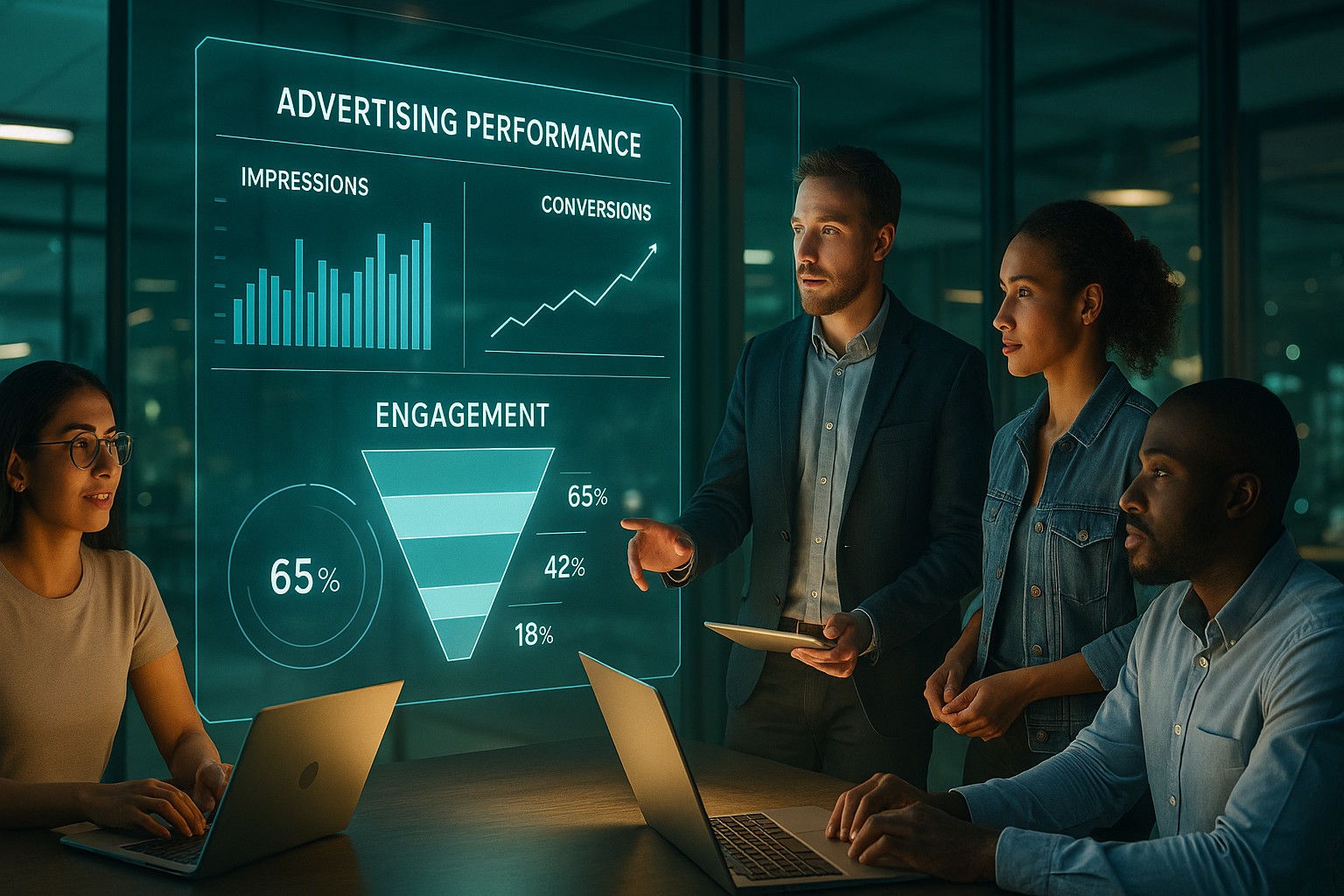
people looking a hologram graph
Advertising Services

From Impressions to Conversions: Integrating Advertising Services with Sales Strategy

Key Takeaway: Integrating advertising services with your sales strategy bridges the gap between awareness and action. When marketing and sales teams collaborate—sharing data, goals, and messaging—advertising efforts lead to more qualified leads, stronger customer relationships, and measurable revenue growth. This alignment turns impressions into meaningful conversions.


Why Clicks Alone Rarely Close Deals

Advertising services set your brand in motion, but conversions decide whether that motion creates growth. You may call them ad solutions, paid media, marketing services, media buying, or campaign management. Whatever the label, the goal is simple: turn attention into outcomes that sales teams recognize. This overview shows how marketing and sales can meet in the middle, without heavy jargon. If you wonder, “How do ads support my pipeline?”, you are in the right place.


How Advertising Services and Sales Strategy Work Better Together

Sales wants qualified conversations, while marketing wants reach and efficiency. When both teams share the same revenue goals, campaigns gain focus and traction. Think of it as two sides of one growth engine, rather than separate programs. Shared definitions also help—such as what counts as a lead and what signals strong intent.

Messaging alignment closes the gap between a compelling click and a useful conversation. If your offer promises a demo, the rep should open with that promised value. If an ebook draws the click, the follow up should explore the problem it addresses. Consistency builds trust, and trust shortens the path from interest to purchase.

Sales context adds depth to both targeting and creative direction, especially when informed by frontline feedback. Those real-world conversations reveal which pain points spark genuine dialogue and motivate next steps. Insights from the field then guide headlines, offers, and audience segments—no heavy tools or complex models required. In short, strong advertising services gain traction when leaders align with what sales needs next.


The Handoff That Shapes Outcomes—Linking Messaging to Sales Plays

The handoff often determines whether momentum builds or fades. Imagine a sales rep hearing, “I saw your webinar ad,” and immediately knowing how to continue that conversation. With a clear playbook, that moment of recognition becomes a natural path toward a qualified meeting—one that feels personalized rather than scripted.

What makes this exchange effective isn’t complexity but clarity. Everyone should know who follows up, when that contact happens, and what promise leads the discussion. Speed matters, yet purpose matters more. Prospects respond best when the dialogue continues the same story that first caught their attention.


KPIs That Connect Advertising Services to Revenue

You might wonder, “How do I know it’s working beyond clicks and views?” The answer lies in tracking signals that reflect real progress toward revenue rather than mere attention. Metrics like meeting-set rate, lead-to-opportunity conversion, and pipeline contribution reveal patterns that numbers on a dashboard alone can’t explain. When organized in clear, simple reports, these insights help leaders see movement at a glance—without drowning in data.

Attribution still matters, but aiming for absolute precision can slow momentum. A balanced view across channels is often more practical, guiding better decisions and more effective creative choices. Over time, steady trends tell a richer story than isolated spikes or one-day wins. Leaders gain confidence when results connect naturally to pipeline health and revenue discussions.


Build a Simple Journey That Sales Can Act On

A strong buyer journey often begins with a clear promise and an easy next step. Each ad should lead to a focused page that answers the essential questions—why it matters, what’s offered, and how to move forward. From there, a simple form or calendar link connects prospects to the right person quickly, while follow-up continues the same message and removes friction that might slow a decision. When done well, your advertising services guide potential customers seamlessly toward a meaningful sales moment.

Of course, not every buyer is ready for a demo right away—and that’s perfectly fine. Educational or helpful content can keep their interest alive without adding pressure, while your sales team remains close enough to respond when the timing feels right. Gentle, well-timed touches that match each person’s intent go further than a single push for a meeting. Curiosity grows when people feel understood, supported, and free to decide at their own pace.


Feedback Loops That Sharpen Messaging

Strong teams exchange insights continuously, not just during quarterly reviews. Sales shares patterns from calls—common objections, recurring themes, or surprising reactions—while marketing experiments with those ideas in in new campaign content. Wins, losses, and near misses all feed into the same feedback loop, becoming the raw material for sharper campaigns that keep the story relevant and the pipeline healthy.

You don’t need a complex system to sustain that rhythm. Even a short weekly sync can uncover what moved deals forward and what stalled them. When teams share a clear view of what they’ve learned each week, alignment happens naturally. Over time, those small, steady adjustments add up to meaningful growth across the quarter and beyond.


Conclusion: Bring Your Front Door and Your Showroom Together

Advertising opens the door, but it’s the sales relationship that turns curiosity into commitment. When both teams move in sync, impressions evolve into conversations, and those conversations lead to measurable growth. That balance of creativity and coordination is what fuels a truly integrated growth engine. Contact us if you’d like to learn more about integrating advertising services with your sales strategy.


Read More
ppc image concept image
Advertising Services

How to Build a Successful Pay-Per-Click Campaign

Creating a high-performing pay-per-click campaign is essential for businesses aiming to increase visibility and attract targeted website traffic. A well-crafted PPC campaign not only drives traffic but also maximizes return on ad spend (ROAS) by focusing on the right keywords, audience, and ad structure. Whether you’re new to PPC or looking to refine your current strategy, here’s a guide to setting up a successful campaign that delivers measurable results.


Step 1: Start Your Pay-Per-Click Campaign with Clear Goals

The foundation of any effective pay-per-click campaign is setting clear, measurable goals. Ask yourself: Are you trying to generate leads, increase sales, or boost website traffic? Defining your campaign purpose will help shape every other element, from keyword selection to ad copy.

For instance, if your goal is lead generation, you may focus on keywords with intent-driven phrases like “buy,” “get a quote,” or “contact us.” If brand awareness is your goal, broader terms might be more effective. Clear objectives enable precise targeting and relevant ad content, which ultimately yields better results for your campaign.


Step 2: Research and Select Target Keywords

Once your goals are established, conduct keyword research to identify the search terms that align with your pay-per-click campaign. Effective keyword selection is a cornerstone of successful PPC, as it directly impacts ad relevance and campaign ROI.

To find the best keywords:

  • Use Keyword Research Tools: Platforms like Google Keyword Planner or SEMrush can help you discover relevant, high-volume keywords within your niche.
  • Focus on Long-Tail Keywords: These are typically more specific phrases (e.g., “affordable PPC management for small businesses”) that attract qualified leads with higher intent, often at a lower cost.
  • Analyze Competitor Keywords: Investigate keywords that competitors target to uncover valuable opportunities and gaps you can fill for your PPC campaign.


Step 3: Set a Pay-Per-Click Campaign Budget and Bidding Strategy

Budgeting and bidding play a crucial role in how often your pay-per-click campaign ads are displayed and to whom. PPC campaigns allow for flexibility in spending, so you can scale according to your budget while optimizing for the best results.

Here’s how to manage your budget effectively:

  • Daily and Monthly Budgeting: Start by setting a daily budget that aligns with your overall ad spend for the month. This approach lets you monitor performance without exceeding your resources.
  • Choose a Bidding Strategy: Bidding options include manual CPC, automated bidding, and enhanced CPC. Automated bidding is suitable for those seeking consistent placements, while manual bidding offers greater control but requires more monitoring.
  • Monitor Your Spend: Regularly review your budget allocation and adjust as necessary. Setting up alerts in Google Ads or your chosen platform can help prevent overspending in your campaign.


Step 4: Craft Compelling Ad Copy

Effective ad copy is crucial to the success of any pay-per-click campaign. Ads should capture attention and persuade users to click through.

Consider these tips for writing persuasive PPC ad copy:

  • Include Your Keywords: Using target keywords in your headline and description enhances ad relevance and click-through rates (CTR).
  • Highlight Unique Selling Points (USPs): Showcase what makes your product or service stand out, whether it’s pricing, quality, or customer service.
  • Incorporate a Clear Call to Action (CTA): Encourage users to take action with direct CTAs, such as “Get a Free Quote,” “Learn More,” or “Shop Now.” The CTA should align with your goal.


Step 5: Optimize Landing Pages

Your pay-per-click campaign’s success doesn’t end with the ad—landing pages are where conversions happen. It’s essential that your landing page aligns with the ad’s message, providing users with a smooth and relevant experience.

To enhance landing page effectiveness:

  • Match the Landing Page Content with the Ad: If the ad promotes a specific product, take users directly to that product page.
  • Use Clear, Concise Headlines: Highlight the main value proposition at the top of the page to retain users’ attention.
  • Implement a Strong CTA on the Page: Similar to your ad’s CTA, the landing page should encourage action, whether that’s filling out a form, making a purchase, or signing up for a newsletter relevant to your campaign.


Step 6: Track and Refine Your PPC Campaign

Tracking your campaign’s performance is vital for continuous improvement. By analyzing metrics like CTR, cost per conversion, and bounce rate, you can identify areas for optimization.

Here’s how to approach tracking and refining:

  • Use Analytics Tools: Google Analytics and your ad platform’s reporting tools provide insights into user behavior, helping you spot trends and potential improvements.
  • A/B Test Ads: Testing variations of your ad copy, keywords, and landing pages helps determine what resonates best with your audience in your PPC campaign.
  • Adjust Bids and Keywords: Increase bids on high-performing keywords and reduce spend on those with low conversions. Regular keyword performance reviews prevent wasted ad spend and boost ROI.


Set Your Pay-Per-Click Campaign Up for Success

Launching a successful pay-per-click campaign involves strategic planning, keyword research, ad copywriting, and ongoing optimization. By following these steps, you can create a campaign that aligns with your business goals, attracts qualified leads, and ultimately increases ROI.

Contact us if you want to learn more about creating and managing effective PPC campaigns for your business.


FAQ

How do I choose the right platform for my pay-per-click campaign?

Choosing the right PPC platform depends on your audience and goals—Google Ads is ideal for search visibility, while platforms like LinkedIn or Meta may perform better for B2B or visual campaigns.

Is it worth running a pay-per-click campaign for a niche product?

Yes—PPC can be especially effective for niche offerings when paired with long-tail keywords and precise audience targeting, which help reach high-intent users with lower competition.

What’s the role of negative keywords in a PPC campaign?

Negative keywords prevent your ads from showing on irrelevant searches, helping you reduce wasted ad spend and improve overall targeting accuracy.

How do device targeting options affect PPC performance?

You can tailor your campaign for desktop, mobile, or tablet users—analyzing performance by device helps refine bids and ad formats to match how your audience browses.

Do seasonal trends impact PPC campaign success?

Yes—campaigns often perform differently based on seasonal demand. Adjusting bids, creatives, and budgets around key times of year can significantly improve ROI.

What should I test first when trying to improve PPC results?

Start with small A/B tests on your headlines, CTAs, or landing page layouts to identify what resonates most with your audience before making broader changes.

Read More
video ads image concept
Advertising Services

Maximizing Engagement: 10 Tips for Creating Compelling Video Ads

Video ads have become a cornerstone of digital marketing, offering a dynamic and engaging way to reach audiences. With the growing dominance of video platforms like YouTube, TikTok, and Instagram, marketers must understand how to create compelling video ads that capture attention and drive action.In fact, a study by Wyzowl found that 91% of marketers consider video an essential part of their marketing strategy, while 87% believe video has helped them generate leads. This article explores 10 actionable tips to help you craft effective video ads that maximize engagement and deliver measurable results.


What Are Video Ads?

Video ads are promotional clips designed to communicate a brand’s message, showcase products, or promote services through visually engaging content. They come in various formats, such as pre-roll ads on YouTube, in-feed ads on social media, and even native ads on websites. Their versatility and ability to deliver complex messages in a short time make them a powerful tool in digital marketing.


Types of Video Ads

  • In-Stream Ads: Play before, during, or after video content on platforms like YouTube.
  • Social Media Ads: Appear in feeds or stories on platforms such as Facebook, Instagram, and TikTok.
  • Native Video Ads: Blend seamlessly with the content on websites, appearing as recommended videos or sponsored content.


Why Are Video Advertising Effective?


10 Proven Tips for Crafting Engaging Video Ads

1. Know Your Audience Inside Out

Understanding your audience is the first step to creating effective video ads. Conduct thorough research to identify their demographics, preferences, and pain points. Tailor your content to speak directly to their needs, and choose platforms where they are most active. Personalized video ads can increase engagement by up to 35%.

2. Craft an Attention-Grabbing Hook

The first few seconds of your video are crucial. A compelling hook is essential to capture your audience’s attention and prevent them from scrolling past. Use intriguing questions, surprising statistics, or a visually captivating opening scene to draw viewers in. According to Facebook, 65% of people who watch the first three seconds of a video will watch for at least 10 seconds.

3. Keep It Short and Focused

Viewers' attention spans are short, especially on social media platforms. Aim for a concise, focused message that can be delivered in under 60 seconds. While longer videos can be effective for more in-depth storytelling, shorter ads are generally more effective at driving conversions. Studies show that 10-second video ads have the highest completion rates.

4. Tell a Story

Storytelling is a powerful way to connect with your audience on an emotional level. Instead of just showcasing a product, tell a story that resonates with your viewers. Whether it's a customer testimonial or a behind-the-scenes look at your company, stories make your brand more relatable and memorable.

5. Highlight Benefits Over Features

Focus on the benefits your product or service provides, rather than just listing features. Show how your offering can solve a problem or improve the viewer’s life. For example, instead of saying, "Our headphones have noise-canceling technology," say, "Experience your music like never before with total immersion."

6. Use High-Quality Visuals and Sound

Poor-quality visuals or sound can detract from your message and reflect badly on your brand. Invest in good production quality to ensure your video looks professional. Use clear visuals, crisp sound, and appealing music to create an engaging viewing experience. According to HubSpot, 89% of consumers prefer to see more video content from brands, provided it is of high quality.

7. Include a Strong, Clear Call to Action (CTA)

Your video should guide viewers on what to do next. Whether it's visiting your website, signing up for a newsletter, or making a purchase, a strong CTA is crucial. Make your CTA clear, direct, and aligned with the goal of your video. Phrases like "Learn More," "Shop Now," or "Get Started Today" work well to prompt action.

8. Optimize for Mobile Viewing

With over 75% of all video views coming from mobile devices, it’s essential to optimize your video ads for mobile. Use vertical or square formats that take up more screen space, and ensure text and visuals are easily viewable on smaller screens. Mobile-optimized videos tend to have higher engagement rates.

9. Leverage Social Proof

Including testimonials, user reviews, or endorsements from influencers can add credibility to your video ad. Social proof reassures viewers that others trust your brand, which can significantly boost their confidence in your product or service. According to BrightLocal, 50% of consumers trust online reviews as much as personal recommendations.

10. Test, Analyze, and Refine

Creating effective video ads is an ongoing process. Use A/B testing to try different versions of your video and see which performs best. Monitor metrics like view-through rates, click-through rates, and conversions to gauge effectiveness. Use these insights to refine your strategy and create even more compelling video ads in the future.


Conclusion

Creating compelling video ads requires a strategic approach that combines audience insights, creative storytelling, and technical execution. By following these 10 tips, you can produce video ads that not only capture attention but also drive meaningful engagement and conversions.

For additional guidance on enhancing your video marketing strategy, contact us and discover how we can help you achieve your business goals.

Read More
influencer marketing image concept
Advertising Services

Influencer Marketing Strategy: 7 Best Practices to Boost Brand Awareness

Influencer marketing has become a cornerstone of brand awareness strategies in today's digital landscape. As businesses shift their focus to authentic connections and targeted outreach, influencer partnerships have emerged as a powerful tool. By collaborating with social media influencers, brands can tap into pre-established audiences and build trust through content that feels genuine. With the growing influence of micro- and nano-influencers, influencer marketing is evolving into a highly effective method for businesses of all sizes.

To execute an effective influencer marketing campaign, consider the following best practices:


1. Define Your Influencer Marketing Goals

Before diving into influencer marketing, it's essential to define clear objectives. Are you looking to increase brand awareness, drive sales, or boost social media engagement? Understanding your goals will guide every decision, from selecting influencers to creating content. Establishing these objectives also provides a benchmark to measure success, ensuring your marketing efforts align with broader business goals. (Hubspot)


2. Identify the Right Influencers

Not all influencers are created equal. To maximize the impact of your campaign, focus on influencers whose audience aligns with your target market. A good fit means not only demographics but also values and content style. Tools like Traackr and Upfluence can help businesses find influencers who resonate with their brand. As influencer marketing becomes more data-driven, relying on technology to match with the right creator can save time and increase campaign effectiveness.


3. Foster Authentic Relationships

One of the biggest mistakes brands make is treating influencers purely as a business transaction. Authenticity is key in influencer marketing. Allow influencers the creative freedom to present your brand in their unique style. This genuine approach builds trust, both between the influencer and their followers and between the brand and the influencer. By fostering relationships that go beyond a one-time collaboration, brands can create long-term partnerships that continually drive engagement.


4. Develop a Comprehensive Content Strategy

The success of your influencer campaign hinges on content. Collaborating closely with influencers to produce engaging, high-quality content that aligns with your goals is essential. Ensure the messaging remains consistent while allowing room for the influencer's voice to shine through. Creating a content calendar can also keep your campaign on track and ensure timely, consistent posts across platforms. (Influencer Marketing Hub)


5. Set Clear Expectations

No matter how genuine a relationship may seem, it's vital to set clear expectations through formal contracts. Outline deliverables, timelines, and compensation upfront to avoid misunderstandings. Clear communication and agreements ensure both parties are aligned, making the entire process smoother and more professional.


6. Leveraging Various Social Media Channels

To maximize reach, consider leveraging multiple platforms. Instagram, TikTok, and YouTube remain powerhouses in the influencer space, but platforms like LinkedIn and Twitch are emerging as valuable arenas for niche markets. Tailor your approach for each platform, focusing on its unique features and audience demographic.


7. Tracking Performance and Optimizing Results

The final step in any marketing strategy is to monitor performance. Use metrics such as reach, engagement, and conversions to evaluate how well your campaign is doing. Tools like Sprout Social and Hootsuite provide real-time insights that help optimize future efforts. Learning from past campaigns will make future initiatives even more impactful.


Common Misconceptions About Influencer Marketing

Some brands shy away from influencer marketing because of misconceptions. One of the biggest myths is that it is only effective for big brands or B2C businesses. In reality, even B2B companies are finding success by partnering with industry-specific influencers. Another misconception is that influencers with large followings always perform better. In contrast, micro- and nano-influencers often have higher engagement rates because their audiences are more niche and loyal.


Final Words

Influencer marketing offers an unparalleled opportunity to boost brand awareness and foster authentic relationships with your target audience. Whether you’re aiming to increase sales or improve social media engagement, the right marketing strategy can help you achieve your goals.

Contact us if you’re ready to explore the power of influencer marketing and start building meaningful partnerships with creators today.

Read More
advertising services
Advertising Services

Choosing the Right Advertising Services

Advertising services play a crucial role in helping businesses reach their target audience, build brand awareness, and drive sales. However, with so many options available, choosing the right advertising services can be overwhelming. This blog will guide you through the key factors to consider, ensuring that you make an informed decision that aligns with your business goals.


Understanding the Landscape of Advertising Services

The world of advertising is vast and varied, with services ranging from traditional media like TV and radio to digital platforms such as social media, search engines, and display advertising. Understanding the different types of advertising services is the first step in making an informed choice.

Digital advertising, for example, offers precise targeting and measurable results, while traditional methods can provide broad reach and strong brand recognition. Knowing the strengths and weaknesses of each can help you decide which combination of services will work best for your business.


Identifying Your Business Needs

Every business is unique, and so are its advertising needs. To choose the right services, start by assessing your goals. Are you looking to increase brand awareness, generate leads, or boost sales? Consider your industry, target audience, and budget as well. A startup in the tech industry might benefit from a strong digital presence, while a local retailer could find value in targeted local advertising. By clearly defining your objectives, you can narrow down the services that will deliver the best results.


Evaluating Service Providers

Not all advertising service providers are created equal. When evaluating potential partners, consider their experience, expertise, and track record. Review their portfolio and client testimonials to gauge their ability to deliver results. It’s also essential to assess their approach—do they offer customized solutions that fit your needs, or are they pushing a one-size-fits-all package? A good provider should act as a strategic partner, working with you to achieve your business objectives.


Budget Considerations

Budget is always a critical factor in choosing advertising services. While it’s tempting to go for the cheapest option, it’s important to consider the value you’re getting for your investment. An effective advertising campaign should provide a strong return on investment (ROI). Look for services that offer transparency in pricing and a clear understanding of how your budget will be allocated. Remember, the goal is to maximize impact without overspending.


Staying Current with Trends

The advertising landscape is constantly evolving, with new trends and technologies emerging all the time. From AI-driven advertising to the rise of influencer marketing, staying current is essential for success. When choosing advertising services, prioritize providers who are on the cutting edge, offering innovative solutions that keep your campaigns fresh and effective. By staying ahead of the curve, you can ensure that your business remains competitive.


Conclusion

Choosing the right advertising services is a critical decision that can significantly impact your business's success. By understanding the landscape, identifying your needs, evaluating providers, considering your budget, and staying current with trends, you can make an informed choice that aligns with your goals. Remember, the right advertising services can elevate your brand, drive sales, and set you apart from the competition.

Reach out to our team to explore how our customized advertising services can help your business achieve its goals. Let's create a strategy that drives results and delivers a strong ROI.

Read More