Food and Farming
Agriculture Technology

The Future of Food and Farming: Connecting Agriculture with Sustainable Solutions

Nations around the world must take a global view of the world's food supply and encourage more local agricultural production. Due to climate change and supply chain issues, the tradition of growing produce is changing. Here's a look at how modern food farming solutions are helping farmers transition toward more sustainable agricultural solutions.


A Need for More Sustainable Agriculture

The food industry represents about 17 percent of all CO2 emissions, but new more efficient methods of farming are starting to help reduce greenhouse gases that come from agricultural production. It's imperative that all businesses work together in the next few decades to reduce the carbon footprint of manufacturing industries. Farmers need to pay attention to doing more with less water since drought is a part of climate change.


Pioneering New Farming Processes

Infarm is a European vertical farming startup that began in 2013. The company has grown to 200 in-store farms, creating a network for cultivating over 150,000 plants per month. It houses vertical farming modules in France, Switzerland and Germany with plans to expand into the UK. The company supplies various types of vendors with indoor modules for growing different crops. The produce includes all types of fruits and vegetables. It allows restaurants to harvest their own food.

Recently Infarm gained over $100 million in funding, which will help the company expand in Europe, Asia and even the United States. Due to the need for farms to cut costs on water, electricity and other resources, the new agricultural model being pioneered by Infarm will likely spread wherever there's a need for agricultural streamlining.


How Farming-As-A-Service Contributes to Sustainability

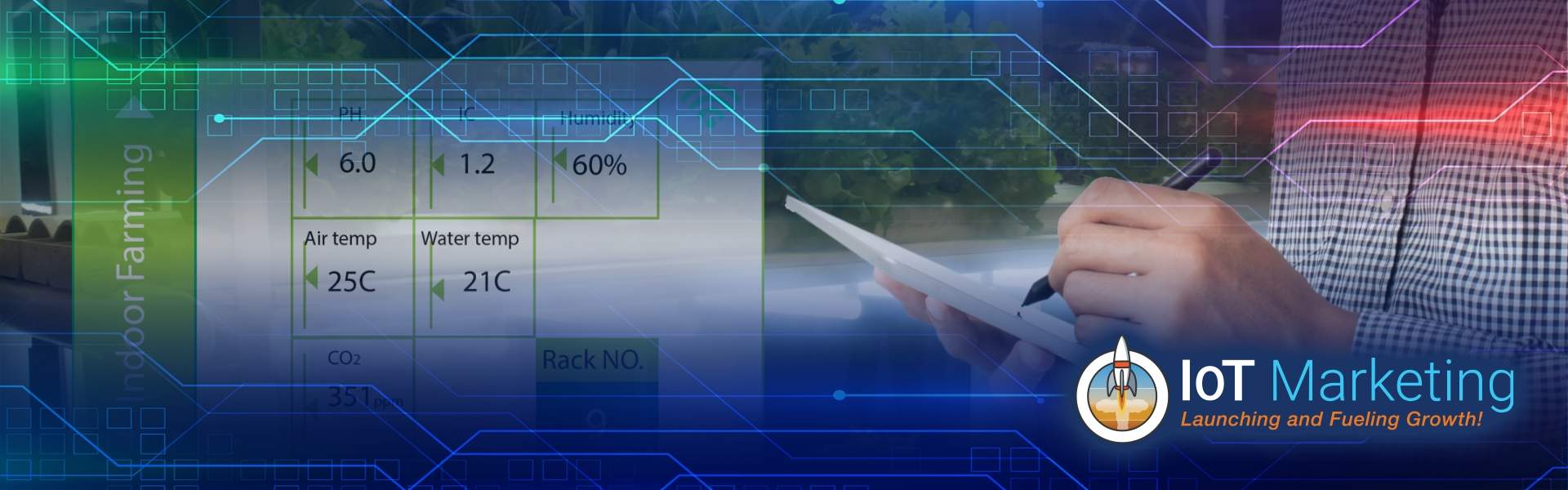
The underlying technology that connects the modules in the cloud is known as farming-as-a-service. A command center monitors various data using IoT sensors to measure nutrient content in the soil, as well as light and water usage. The system eliminates various processes of traditional agriculture including the use of pesticides with the help of big data analysis. The result of this new process is a streamlined supply of fresh, organic food.

Thanks to smart technology, Infarm has reduced water usage by 95 percent and fertilizer by 75 percent. Another benefit that adds to more efficient production is it reduces transportation involved with agriculture by 90 percent. The reason this figure is significant is that about half of all nutrients in produce are lost in the shipping stage of distribution.

connected food

Find out more about the latest innovations in the food, agritech, restaurant and grocery sectors. Click the button below to watch the replay of our "Connected Food" webinar.

Sustainable Food Systems

A key reason for local communities to embrace local food farming is to avoid the disruptions associated with supply chains. When food is shipped around the globe, it must go through busy seaports where fees and storage costs keep rising. Supply shortages can result due to issues surrounding transportation including fuel costs and labor deficiencies. But the impact of these disruptions is reduced when a community has plenty of local produce for food choices.

When food is produced locally, it has a better chance of being sold as a fresh product rather than if it goes through a global supply chain. Knowing who your farmer is and where your food comes from helps you feel more confident about eating healthy. Food is perishable and can spoil quickly, so ideally, it shouldn't have to travel far.


Rethinking Barren Land

One of the keys to expanding sustainable farming is to educate people about indoor farming, which allows for crops to be grown year-round. Indoor farming can also be a solution to climate change, which is destroying crops due to overly dry or stormy conditions. Farmers have more control over their crops in indoor settings with the help of digital technology that provides measurements for appropriate harvesting conditions.

The United States and Canada have plenty of barren lands that could be used for developing sustainable solutions. Not only can it be used for solar and wind farms, but barren lands can also be used to build communities that rely on indoor harvesting. It could provide a consistent supply of seasonable crops.


Urban Farming in the Future

Since indoor farming is part of the solution to agricultural sustainability, it should be part of urban planning for the future. Empty malls and buildings can be repurposed for indoor farms. In other words, growing food no longer needs to be on the outskirts of cities, as it can be done almost anywhere indoors.

The investment community is increasingly looking at indoor farming in urban areas as a path to sustainability. There will likely be an increasing demand for local indoor farming the more communities feel the economic effects of climate change. Sustainability has also become an important factor in commercial real estate, so the more farmers invest in sustainable solutions, the more it can raise the value of their properties.

Revitalization is another strong reason for communities to invest in indoor farms. Cleveland and Detroit are examples of cities that have promoted community gardens and farms for revitalizing neighborhoods. Detroit now has over 1,400 urban gardens and farms. In 2011 the Michigan Urban Farming Initiative purchased an old building in Detroit to repurpose it as a resource center for growing produce that it supplies local restaurants and consumers.

Urban farms can also be built for educational reasons. Baltimore's Urban Gardening with Students (BUGS) program educates kids about developing skills for growing foods locally. The more people become aware of sustainable farming techniques, the better prepared society will be for the growing pressures related to climate change and supply chain disruptions.


Conclusion

Local communities will be more sustainable if they rely on local farms rather than global farms, which become part of supply chain issues. Developing a digital infrastructure that integrates with modern food farming solutions is the best way to prepare for the future of agriculture.


Read More
Kitchen Robots
Automation

Bringing Robots to the Kitchen

Imagine robots are making the food you order in the kitchen at your favorite restaurant. You order an exotic dish and it's made on time to perfection. While this scenario may sound like funny science fiction, it's now an actual possibility. Here's a look at how artificial intelligence and automation have become so advanced, robots designed with this innovative technology can now be integrated into a consumer or commercial kitchen.


Robotic Kitchens Have Arrived

The world's first robotic kitchen has been introduced and demonstrated by Moley Robotics. The company is based in London, UK, but the concept was developed in Russia. Its founder and CEO Mark Oleynik is a computer science engineer who holds degrees from St. Petersburg State University of Aerospace and Instrumentation and Harvard Business School.

His robotic kitchen that costs $335,000 features a robotic chef with automated hands that can cook dishes based on thousands of recipes. This robot, which can also clean dishes, is guided by optical cameras and sensors to map ingredients. Only wealthy individuals and organizations can afford this robot at the moment, so it's not about to suddenly take over mainstream society.

Oleynik, though, envisions selling his robotic kitchens to commercial entities such as restaurants and hotels in the future. There will still be affluent enthusiasts and early adopters who want to experiment with this innovation in their own homes and businesses. In the future, these smart kitchens are expected to come down in price and be more affordable for conventional restaurants.

Oleynik began building the first robotic kitchen prototype in 2014, the year he founded Moley Robotics. The company showcased the prototype at a few exhibitions the following year. It was officially launched in December 2020 at the GITEX exhibition in Dubai. The project took into account that a robot needs to be integrated with the kitchen structure in order to operate reliably and safely. Moley showcased the exhibit again at the prestigious Consumer Electronics Show in 2021.

These robotic kitchens are available in various styles. Some of the more elegant models include marble worktops and customized kitchen cabinet finishes. Moley offers its kitchens in two formats: IoT-driven technology that comes with or without an integrated robot. The smart kitchen sensors can alert the robot or user when food is about to expire. In the future, Moley intends to offer robotic kitchens at various price levels including affordable options to make mass adoption possible.

connected food

Find out more about the latest innovations in the food, agritech, restaurant and grocery sectors. Click the button below to watch the replay of our "Connected Food" webinar.

Moving Toward Robots and Automation

The foundation of the robots in the kitchen concept is automation software in which the machine follows programmed instructions. Since cooking is a process involving sequential steps, it can be expressed by software. The kitchen robots are designed to have hands that simulate a real chef. The robot's arms move on a rail that provides access to all areas of the kitchen relevant to duties a robot can perform.

These robots are based on the type of industrial machines used to perform redundant or dangerous tasks. They function the same way a human chef does in a kitchen. Not only are they able to monitor temperature, they can put ingredients together based on recipes. They can move pots and pans with their arms and do everything required to cook a meal safely and accurately.

Moley developed the robotic arms with German partner SCHUNK. The project went through 11 development cycles that led to the ability of the robots to reproduce human hand movements. The robots can remove ingredients from a refrigerator or other storage unit, pour food into pans and operate a stove or oven to cook food.

You have the power to program the robot how you want to do tasks on your checklist. While a skilled pro chef might still be able to outperform a robot at cooking delicious meals, the robot is better than an untrained new employee. Another less talked about benefit of kitchen robots is they don't complain about scheduling or how much work you assign. During high-demand seasons with labor shortages, kitchen robots can relieve some of the pressure.


How Commercial Kitchens Will Get Smarter

Moley's platform is multifunctional and can be used in either residential or commercial settings. The robotic kitchen can prepare the same types of foods served in restaurants. It can make a multitude of dishes from soups and salads to main entrees and desserts. Moley is now working on a design specifically for commercial kitchen applications with more sophisticated features. The hardware and software are modular, allowing flexibility for different customized kitchen environments.

The current Moley system can deliver meals from over 5,000 different recipes by clicking a button. Most professional human chefs do not know this many recipes, but may have access to them through a database. Moley envisions robotic kitchens for hotel and restaurant chains. In the near future, robots are likely to populate kitchens by focusing on specific operations, such as redundant tasks that humans get tired of.

One of the main risks that restaurant cooks face is they can get badly burned on the job. Employing robots as chefs, though, eliminates such injuries, which can help a restaurant lower its insurance costs. The use of kitchen robots will create safer working conditions and allow managers to use human workers in more productive ways. One of the key challenges Moley faces is increasing demand for robotic solutions at busy restaurants.


3D Printing for Kitchen Technology

Another type of kitchen innovation beginning to appear on the horizon is 3D printing technology. It's now possible for 3D printers to make edible food items. PancakeBot is currently a 3-axial machine that loads batter and cooks pancakes. Similar machines can make chocolate treats. Columbia School of Engineering is currently developing a method for 3D printers to print any kind of food item.


Kitchen Robots of Future Generations

Will kitchen robots of the future be able to take care of everything, replacing the need for a chef? The likelihood of mass adoption in the restaurant industry of kitchen robots for the near future depends on economic factors. But over time, elements of the technology will likely be integrated with major restaurant chains. Moley's robots can be used for both automation and to assist humans.

At the moment, the transition to such a business model would be very expensive, which is why the development of robotic kitchens will be most visible with high-end hospitality and restaurant establishments. Since the robots have hands that can grip utensils, they can also be used as waiters that serve customers. One reason adventurous restaurants will want to invest in robotic kitchens is because robots don't have to be told to clean up their messes, they just do it.

If there are any health concerns about robotic kitchens, Moley's technology has that covered as well. The robots are equipped with UV lamps that make cooking free of germs. The kitchens of the future will have even more features that ensure safety and benefits related to sustainability. It's even possible that kitchen robots will train humans how to be better cooks.


Conclusion

Hospitality organizations and restaurants should prepare for the future of robots in the kitchen, which will make life simpler for human owners. Robots won't cost as much as human labor in the big picture and can handle many tasks that humans think are boring. There will still be a need for humans to manage the robots, but it's clear robots will help make businesses that involve cooking more efficient.


Read More
Restaurant Challenges
Smart Food

Using Tech Solutions for Solving Restaurant Challenges

Restaurants and other food services have been under pressure in recent years due to labor and supply chain challenges, as well as tighter budgets. For those that can afford to invest in new technology, there are exciting options already emerging, partly as a result of pandemic challenges. Businesses that serve food can meet demand and operate more efficiently with the help of the following modern innovations.


Mobile Apps Integrated with Infrastructure

Establishments that offered mobile apps prior to the pandemic were mainly focused on limited functions to facilitate transactions. But once lockdowns hit, demand for ordering food online increased enormously. Apps then needed better coordination with kitchen and back-office personnel to ensure orders were executed properly in a timely manner.

As the focus shifted to customer online ordering and deliveries, restaurant apps quickly evolved to help manage order flow. Due to the need for social distancing, sit-down restaurant chains such as Panera began adding a dine-in mobile ordering option to their app.


QR Codes for Menus

Interest in QR codes rose dramatically during the pandemic as a means for offering in-app delivery ordering for customers. QR stands for "quick response", as these matrix barcodes contain deeper information for identifying customers with mobile phones and tracking orders. Fast food chains began to use customer location data from Google Maps and similar services to prioritize orders and streamline the delivery process.

The use of QR codes for menus is likely to grow for full-service restaurants, since they help make the ordering and payment processes more efficient. QR codes are already replacing tabletop technology for in-store ordering, which allows waiters to handle more traffic at one time. According to Datassential, 58 percent of consumers favor using QR codes for dining and grocery shopping for a more positive experience.


Self-Order Devices

The pandemic pushed many public places like airports and restaurants to consider adopting kiosks for ordering as a social distancing strategy. McDonald's, for example, plans on using self-order kiosks more in the future. These devices will help free up personnel to assist customers with orders.

Kiosks allow the customers to have more flexible payment options and help fill the gaps of labor shortages. The screens on kiosks are typically larger than those on smartphones, allowing for easier ordering. Kiosks are designed to be very user-friendly, so the learning curve is a matter of seconds.


Drive-Thru Automated Machines

Another way the pandemic affected purchasing pattern changes was the need for better drive-thru automation technology. Some companies are testing face recognition technology that identifies customers as a solution to speed up the drive-thru ordering process. A system called PopPay takes a photo of the customer, which identifies them and links to their financial information, bypassing the need for the customer to pay with cash or a card.


Smart Kitchen Robots

The emergence of kitchen robots is helping restaurants mitigate the effects of labor shortages as well as cutting costs on preparing food. Chipotle is one of several restaurant chains testing autonomous kitchen technology for cooking certain food such as tortilla chips. Miso Robotics is partnering with companies such as Chipotle to help add robotics to kitchen environments. Bear Robotics is a similar firm partnering with Denny's and Chili's.

Robotics are useful for improving order accuracy and consistency in preparing foods like pizza. The technology helps ensure orders contain the right ingredients. Another rising form of robotics technology in the restaurant industry is computer vision, which encompasses 50 cameras that monitor cooking and ordering operations.

connected food

Find out more about the latest innovations in the food, agritech, restaurant and grocery sectors. Click the button below to watch the replay of our "Connected Food" webinar.

Financial Planning and Analysis Tools

Many food establishments emphasize financial planning and analysis tools in their digital transformation toward more seamless solutions. These tools help management forecast customer demand based on weather and availability of ingredients based on supply chain conditions. The tools help establishments schedule staff members more effectively to meet near-term demand and understand customer behavior.

One of the great challenges restaurants still face following the pandemic is dealing with food supply shortages. It's important for managers to use better tools for gauging market demand to avoid shortages. Apps that connect directly with suppliers provide seamless solutions for ordering available supplies.


Geofencing to Target Specific Neighborhoods

Digital tools can also be used to target consumers in specific geographic areas with the help of geofencing. This technology provides tracking information as to what time and day customers visit a particular establishment so it can send appropriate notifications about new offers. Geofencing software tracks customer mobile devices via GPS or RFID signals and ultimately helps reduce wait times after ordering.


Online Ordering via Delivery Apps

Some pandemic period changes will remain in place due to helping make operations more efficient. Online ordering through delivery apps is an example of one of these shifts that's here to stay now that the food delivery market has exceeded $150 billion. Many diners have found that delivery apps have made their businesses more convenient for customers, as well as provide better means of engagement.

One of the reasons online ordering isn't going away is because gas prices have become unpredictable. Consumers are now forced to plan commutes and shopping travel more efficiently to avoid wasting expensive fuel. The more consumers get into the habit of ordering online, the less need they have to drive around searching for food.


Touchless Payment Systems

Hotels that embraced digital transformation have found touchless payment systems to be useful beyond social distancing. These systems make paying simple with smartphones, smartwatches and smartcards. Contactless payment systems are expected to triple to $6 trillion globally by 2024. Over a third of consumers have reported this option is extremely important to them.


Digital Kitchen Display Systems

Many restaurants have adopted a kitchen display system (KDS) that consists of a digital menu board for kitchen personnel to view. These screens display customer orders automatically linked with the restaurant's point-of-sale (POS) system. It tracks product inventory and delivery times to make the ordering process more efficient.


Air Purification Technology

Another area of concern for sit-down restaurants is to make physical environments safer for customers. Air purification technology creates safer and more comfortable conditions, as it filters dust, debris and other harmful pollutants. It makes both air and surfaces more sanitary, contributing to greater sustainability. These systems will help food services better prepare for the next public health crisis that requires social distancing.


Inventory Management Software

Perhaps the most significant investment a restaurant or hotel can make in its digital transformation is toward inventory management software. Warehouses and wholesalers have led the way in testing and utilizing this technology for more accurate and timely tracking of inventory products. Tapping into the right management software platform will be crucial for restaurants in the future to ensure they are fulfilling orders properly based on available supplies.


Conclusion

While the pandemic drastically disrupted the restaurant industry, it also provided a wake-up call to streamline operations by paying closer attention to supply and demand principles. Digital solutions help restaurants reduce waste and fulfill orders in a more timely fashion. Apps and other software platforms further help empower restaurants to be more closely connected with their patrons. So don't be surprised if you see more advanced technologies appear at national restaurant chains and local establishments in the near future.


Read More
Restaurant Hotel NFT
Blockchain

Restaurants and Hotels Are Embracing NFTs

One of the major economic changes in recent years is the growing acceptance of digital payment and exchange systems. A non-fungible token (NFT) is a digital asset that may represent a physical asset. This new form of investment or store of value is based on cryptography and blockchain technology. Here are revolutionary ways NFTs are used by hotels and restaurants.


Quick History of NFTs

The first NFT was called Quantum, introduced in May 2014 by Kevin McCoy and Anil Dash. McCoy sold the "monetized graphics" to Dash for $4 during a live presentation at the New Museum in New York City. More NFTs began to surface three years later with the emergence of the ERC-721 standard.

One of the early profitable success stories for NFTs was the online game CryptoKitties. By 2020 there was a $250 million market for NFTs, which has created new avenues for digital artists to showcase their intellectual property.


Why Collectors Buy NFTs

The two main types of NFTs are digital collectables and digital assets with useful functions. Many people are spending much of their time online or in digital environments these days, which creates an increasing need for digital solutions. People have become big collectors of digital items without realizing it, as they routinely download pictures from friends online for their personal photo galleries. Anyone who shares digital items such as photos online is a potential NFT consumer.

One of the issues about digital collectables has been the fact that a digital item can be easily duplicated, which limits its value. But an NFT can be a one-of-a-kind item verified by blockchain. In 2021, Twitter co-founder Jack Dorsey sold his first tweet as an NFT for nearly $3 million. An NFT frenzy followed. By June, though, the value of NFTs fell with broader markets including cryptocurrencies relating to inflation and world affairs.

The popularity of online auctions raises greater opportunities for unique NFTs to endure. They can take the form of anything digital from games to videos to songs or tokens for specific products or services. Whether the NFT is a digital item or just a token for something, it's a certificate stored on a secure distributed database, verified by a blockchain ledger.


NFTs in the Metaverse

The metaverse is the environment that facilitates virtual worlds and can be used to interact with people via avatars. NFTs are part of the metaverse, making them useful tokens for playing games or learning new information. There are endless possibilities with buying and selling NFTs via the metaverse. Some of the most enthusiastic players are creating various virtual worlds to sell a universe of digital products including NFTs.

But not everyone is ready for the metaverse yet, as it seeks to merge physical and virtual worlds. It's important to understand the path toward what many call "the future of the internet" will be met with waves of resistance. Many people are skeptical of NFTs, crypto and the metaverse, partly due to the crypto crash of 2022, so it may take time to become mainstream.

At the same time, there's enough excitement in NFTs and the metaverse for hotels to explore possibilities for entertaining guests. The metaverse is still in its infancy, so it's unclear where it's headed, other than you can invest in virtual land and store value through digital assets.

connected food

Find out more about the latest innovations in the food, agritech, restaurant and grocery sectors. Click the button below to watch the replay of our "Connected Food" webinar:


Hotels Turn to NFTs

A hotel can give away digital prizes to promote its services, which is an easy and seamless way to reward patrons and prospects. NFTs work as digital prizes or as digital merchandise sold to tourists. It may include local digital art that cannot be found anywhere else on the planet. The more unique an NFT is, the more potential value it has if it resonates with collectors.

NFTs open doors to partnerships with local artists, musicians and writers who want to promote themselves to tourists. It's a new way for the hotel to get local recognition for helping the community. NFTs can be digital samples of the local art the hotel hangs on its walls. They can potentially raise the interest level in local or independent art beyond the norm.

Another use that the hospitality industry has for digital tokens is they can be used as digital membership cards. NFTs started out mainly as digital collectables then expanded to become tokens for subscriptions, programs and other digital goods. Through an NFT, number of visits to a digital asset and other relevant analytics are tracked with blockchain technology.

In 2021, Marriott International became the first major hotel to use an NFT marketing strategy. The company teamed up with digital artists to create unique NFTs inspired by "The Power of Travel" theme. Another recent use of NFTs in hotel marketing was for the grand opening of the luxurious Ca' di Dio hotel in Venice, Italy. The company used the world's largest P2P NFT marketplace, OpenSea, to auction off a free private one-night stay at the new hotel.


NFTs Head for Restaurants

One of the reasons restaurants have adopted NFTs is because they've worked in the hospitality industry. Both hotels and restaurants were in the same boat during the pandemic, facing shutdowns with a need to go more digital. Not only do NFTs help facilitate business activity when social distancing is needed, they help brands redefine themselves as more modern.

In early 2022, VCR Group announced New York City's Flyfish Club will become the world's first NFT restaurant the following year. It will be a seafood restaurant for members who own Flyfish Club NFTs. The membership card lets you access the restaurant, but you must still pay for food with dollars rather than cryptocurrency.

Taco Bell launched an NFT campaign in 2021 called "NFTacoBells," which were five different digital art designs. The company quickly sold 25 of these limited collectable tokens. This concept allows a restaurant to constantly promote itself with fresh content, which it can post on social media. A crucial part of branding is associating images with values that resonate with consumers. NFTs actually allow you to monetize your branding through connecting visuals with shared values and experiences.


How NFTs Enhance the Restaurant Industry

Experimentation with NFTs is leading to countless discoveries for new marketing ideas. NFTs can tokenize tables, which will help cut down on losses from canceled reservations. The tokens can reserve a table number for a specific number of people and other factors. Tokenization can be used for restaurant patrons to trade reservations with each other.

There are many more ways to use NFTs that haven't been envisioned yet. One idea on the horizon is for hotels to issue shares of ownership through NFTs. Some of the more advanced uses of NFTs right now include representing physical parts of a hotel. Companies like VCR Group are also using NFTs to innovate smart contracts.

Hotels and restaurants are two industries embracing NFTs for marketing and other purposes. When you team up with the right people, you can create endless NFTs that promote various businesses, products and themes.


Read More
Drone Delivery
Drones

Drone Delivery: Predictions, Potentials, & Challenges

The development of drone technology has been rapid, taking only a few years to go from initial prototypes to a market filled with state-of-the-art innovations. Uncrewed aircraft systems are becoming more commonplace in logistics operations, given their increased accuracy over traditional delivery vehicles and environmentally friendly operation. Industry analysts have estimated that drone delivery services could be 40-70% cheaper than current parcel models for retailers.

Drones require less storage space and travel faster than existing trucks and vans. Furthermore, the COVID-19 pandemic strain has added pressure on companies to find more effective and safer delivery models. In response, drone sales have seen a boom in demand.


Industry Overview

Drones were initially used in the military, primarily for surveillance. However, they have been used in various other labor-intensive and complex applications. These include identifying defects in oil/gas pipelines, cinematography, checking the health of crops, surveying mining and construction areas, delivering packages to remote locations with minimal effort or human interaction needed or desired, and many more!


Drones' Use in Retail and Logistics

Automating delivery and transport of goods, particularly consumer goods (e.g., food, clothing, medicines), is expected to be a significant application of autonomous flying vehicles as one possible way of improving service quality/safety and cost, especially for low-frequency deliveries in areas with low population density.

Multinational logistics companies are investing in the development of commercial drone technology. Amazon, Zipline, DHL, and UPS have already entered this market, which is frequently cited as a major impetus for the industry's long-term growth. Gartner predicts that there will be one million retail drone deliveries in 2026.

onnected skies

Watch the recording of our webinar “Connected Skies” to hear about drone laws, connected drones, drone delivery, and how drones are leveraging the power of mobile and satellite connectivity, and more.

Drone Deliveries Involve Many Stakeholders, Including

  • System for UAS registration (including operator and pilot information), along with registration capabilities
  • UAS traffic management system
  • Drone manufacturers
  • National Aviation Authority
  • International Civil Aviation Organization
  • Owners of drones or drone service providers
  • Drone pilots
  • Support team (manages launch pads and receives packages)


Challenges Facing Providers of Drone delivery

  • Scalable operations require skilled and experienced resources, which are in limited supply.
  • There are stringent regulations to keep track of issues such as altitude range, navigable airspace, weight, and privacy laws.
  • There are still concerns about privacy, security, and safety associated with drone deliveries among consumers.
  • Initially, implementing and setting up drones is expensive. Establishing drone launch pads, battery chargers, training facilities, software, and research and development require high investments.
  • The weather impacts drone delivery operations as snow, rain, and wind are potentially problematic.
  • Packages can be stolen, and equipment can be damaged.


Drone Delivery Support Services

Retail logistics companies work with professional drone technology and service providers to transport goods safely from one place to another. These companies specialize in delivering items safely and securely through drones. They also offer cutting-edge support services during every stage of their overseas transport operations, such as:

  • Analyzing data and implementing data-driven operations
  • The recruitment and training of ground support operators and drone pilots with the necessary skills
  • Campaigns
  • Market research
  • Curation and mapping of geospatial data
  • Provide support in drone technology such as navigation, detection & avoidance (collision management system), and integrated air traffic management
  • Supply chain management operation processes, including order management, contracts, track, and trace.


Drone Delivery Has Several Advantages

When a piece of mail or package needs to be dispatched to its final destination, it usually passes through several phases. However, with drone-based delivery systems, packages can skip both the sorting process and most of the driving process altogether by hovering directly over urban centers and dropping packages off at their destinations instead of being delivered from one place to another.

This way saves companies time and money and makes delivery more efficient because items are no longer delayed by traffic.

The use of drones can reduce logistics costs
Although uncrewed transport vehicles are much more expensive at the start, their cost is far lower than that of manual delivery in the long run. As for transporting without drivers or robots, it's not difficult to see how this company can save much money relating to labor costs because it only needs charging and maintenance.

Drone delivery boosts the economy of underdeveloped regions
In many underdeveloped areas, accessing essential products is often hard and complicated. Rural locations especially suffer from a lack of proper transportation options, making it challenging to buy things online. Companies such as Amazon and Google have recently begun testing out drone delivery that may change the way people in these areas buy things and make it easier for companies to deliver their packages.

Environmentally friendly
Companies in the logistics industry constantly seek to reduce their carbon footprint to cut fuel costs and fight global warming. They can significantly reduce the amount of fossil fuel used at the end of their supply chain, reduce their costs, and improve the environment by using drones.


Drone Delivery Disadvantages

When technology becomes mainstream and is widely adopted, many folks often overlook some of the challenges of adapting to the new system until something leads to a problem that needs immediate fixing. These are some of the disadvantages of drone delivery:

Rules & Regulations
Companies are fighting to make it easier to launch drone delivery services with maximum success in their endeavors, the most important being lobbying government organizations and other governing bodies.

Initial Costs
The initial investment will be hefty for the infrastructure necessary for a drone delivery network - there are drones to buy, delivery routes to create, and staff members to train.

Weather
Because of their small size, drones will be at greater risk of being affected by bad weather conditions. Although most of those designed to be used for delivery services have been built to withstand windy and rainy conditions, they are still a major risk in strong winds.

Hack/Theft
As these drones operate so close to the ground, they'll be a tempting target for opportunistic criminals. Some may even try to access the drones' flight navigation systems, divert their destination, or use them for criminal purposes.

Only local deliveries
The battery technology that powers some of the smallest remotely controlled aircraft is not yet able to provide them with a long flight time, mainly because commercial drones are powered by lithium-ion batteries and can only fly for one hour at most, including the return journey. Thus, businesses are limited in offering drone delivery services only within a certain radius from their warehouse hub.


Drone Delivery: The Future

Last-mile drone delivery looks promising. According to some recent data, the market for autonomous last-mile delivery is huge and is set to be worth a multi-billion dollar industry by 2030.

While all involved contend saturation is years away, executives in this fast-growing vertical confirmed that there's room for multiple players despite continued investment across the board.

As drone delivery has been instrumental in many remote communities getting vital medical supplies like the COVID-19 vaccinations, people will be more open to getting their delivery via drones.


In Summary

Companies that incorporate drone delivery into their business practices could substantially benefit from an array of unique advantages. Economically, for instance, many experts speculate that drone delivery will prove cheaper than traditional delivery methods typically used in commercial settings. The reduction of costs, in turn, may account for the projected increase in the popularity of drone deliveries among major corporations and other businesses.


Read More
Advanced Commercial Drones
Drones

Most Advanced Commercial Drones on the Market

Drones are a hot topic in the world of technology and engineering. Drones can be helpful for commercial purposes, such as aerial photography and videography. Drones have also become more sophisticated and expensive due to their advanced features.

Here's our list of the most advanced commercial drones that are available on the market. These drones were designed with a specific purpose in mind, which means that users need to understand how each drone works before purchasing one for themselves.


DJI Inspire 2

The DJI Inspire 2 is the flagship drone of the company. It can fly for up to 30 minutes, but it also comes with a second battery and charger, so you can keep flying! The DJI Inspire 2 has a camera that shoots 4K video at 60 frames per second and still images at 20 megapixels. You can buy an optional camera gimbal if you want smoother footage, which makes this drone perfect for amateur filmmakers.

The best part about the DJI Inspire 2? It's got several modes, including orbit, follow me, and waypoints, allowing you to take incredible shots from unique perspectives using GPS technology.


Hexo +

The Hexo+ drone can hold up to 1.5 kg of payload, and its maximum flight time is 50 minutes. It has a range of 1.5 km, which can be extended by purchasing an additional battery pack that will give you 10 minutes per battery!

The Hexo + already comes with two batteries, and the optional third one costs $99 (which means if you buy it, your total cost for all three batteries would be $297).

It's easy to see why this drone is so popular: not only does it have impressive specs like these, but many camera options come with it at various price points depending on what type of photography or videography you want to do with your drone!

onnected skies

Watch the recording of our webinar “Connected Skies” to hear about drone laws, connected drones, drone delivery, and how drones are leveraging the power of mobile and satellite connectivity, and more.

Parrot Bebop 2 Power FPV

The Parrot Bebop 2 Power FPV is a great choice for looking for an advanced commercial drone. It has a flight time of 25 minutes and a range of 1,000 meters, which is considerably better than its predecessor's 14 minutes and 600 meters. The camera comes with built-in GPS, so you can easily track your location and know where the drone is.

This drone also has several other features you may find useful! You can add external sensors to it to sense obstacles or notify you when there are changes in wind speed or direction. An autopilot system also helps guide the drone back home if something goes wrong with its connection to your phone (which happens often).

Finally, this particular model comes equipped with two batteries—one on each side—so if one runs out while flying around somewhere remote, then all you need to do is swap out another battery instead of having to wait until your first one.


Ehang Ghost Drone 2.0 VR

The Ehang Ghost Drone 2.0 VR is the world's first VR-enabled aerial camera. It offers a variety of flight modes that can be controlled via an app, including Orbit, Follow and Watch Me.

The drone's built-in camera features 4K video capture and live streaming capabilities so that you can share your unique aerial footage with friends worldwide. And if you want to get even more creative with your shots, there are plenty of predefined filters available for your photos and videos.

Priced at USD 2,499 (£2,399), the Ehang Ghost Drone 2.0 VR comes with three batteries (each offering about 20 minutes of flight time) and a charging hub, so you don't have to wait around while they recharge between flights. Its dimensions are 27 x 27 x 12 inches (69 x 69 x 30 cm), making it easy to store when not in use and weighing just 5 lbs (2 kg).


Parrot Disco FPV – The Flying Wing

The Parrot Disco FPV is a drone you can use for FPV flying. It's also designed for racing, aerial photography, and self-flying missions. The Disco was developed by the French company Parrot, which is known for its innovative products in the drone industry.

While some people might think that this is just another quadcopter with an additional camera mounted on it, nothing could be further from the truth! This design enables you to have an unobstructed view from all four sides of your aircraft, no matter where you are looking. The first thing that comes to mind when thinking about flying wings is their iconic shape: long and slim with rounded edges on both ends, making them look like gliders or stealth bombers (but without any weapons).


X PlusOne (Flying Quadcopter)

The X PlusOne drone is the most advanced commercial drone on this list. It can fly for up to 30 minutes, and its flight range extends up to 2km. It also has a payload of up to 2kg, making it great for carrying heavy objects such as cameras and other equipment. The maximum speed of this drone is 80km/h, which is fast enough to give you some great shots while filming your movie or TV series!


DJI Phantom 4 Pro – The Robot Assistant in the Sky

The DJI Phantom 4 Pro is the best drone for professionals, and it's a powerful drone. It's been around for a while, but the Phantom 4 Pro continues to be one of the best drones on the market. The DJI Phantom 4 Pro is a great drone for photography because it has an advanced camera that captures high-quality images and videos in high definition (HD).

The Phantom 4 Pro has an impressive top speed of 45 mph, so you can fly it fast and still have clear control over what you are doing. You can even use gesture controls with this model if you like!


Conclusion

With the increasing demand for drones, the global market will grow to $43 billion by 2024. Drones are no longer just for hobbyists, but they are now being used for medical, search and rescue, construction, real estate, transportation, logistics, and more. A multitude of industries are now using drones in innovative and impactful ways.


Read More