deepfake
Artificial Intelligence

Understanding Deepfakes: Characteristics, Risks, and Detection Techniques

In recent years, the advent of deepfake technology has brought about significant advancements in artificial intelligence and media manipulation. A deepfake involves the use of sophisticated AI algorithms to replace a person's likeness in an existing image or video with someone else's. This technology leverages deep learning techniques to create highly realistic and convincing representations, making it increasingly challenging to differentiate between authentic and fabricated content. While deepfakes offer intriguing possibilities in fields such as entertainment and education, they also raise serious concerns regarding misinformation, privacy violations, and ethical implications. This article explores the key characteristics, applications, and risks associated with deepfakes and provides insights into effective methods for detecting and mitigating their impact.


What is a Deepfake?

A deepfake is a type of artificial intelligence-generated media in which a person in an existing image or video is replaced with someone else's likeness. This is achieved using deep learning techniques. Deepfakes can create highly realistic representations, making it difficult to distinguish them from genuine content.

Key Characteristics of a Deepfake:

  1. Image Manipulation: Faces are altered in photographs or videos to create the illusion of another person's presence.
  2. Voice Synthesis: Audio deepfakes replicate someone's voice, making it seem like they said something they never did.
  3. Video Creation: Entire video clips can be generated to make it appear as if someone is performing actions they never did.

Applications and Concerns:

  • Entertainment and Media: Used for creating realistic special effects in movies and video games.
  • Education and Training: Simulating historical figures for educational purposes.
  • Misinformation and Fraud: Deepfakes can be used maliciously to spread false information, blackmail, or manipulate public opinion.
  • Privacy and Consent: Ethical concerns arise when individuals' likenesses are used without their permission.


How to Detect a Deepfake

Detecting deepfakes is a challenging but crucial task. Here are several methods and techniques used to identify deepfake content:

  1. Technical Detection Methods:
    • Digital Forensics: Analyzing the digital fingerprints of an image or video. Forensic tools can detect inconsistencies in metadata, file signatures, and compression artifacts. (IEEE)
    • AI and Machine Learning: Using machine learning models trained to recognize deepfake artifacts. These models can detect subtle inconsistencies in facial movements, lighting, and reflections that are hard for deepfake algorithms to perfect. (arxiv.org)
    • Eye Movement Analysis: Examining the blinking patterns and eye movements, which can be unnatural in deepfakes. (IEEE)
    • Facial Symmetry and Lighting: Analyzing the symmetry of the face and the consistency of lighting across the face and background, as deepfakes often struggle with these aspects. (IEEE)
  1. Practical Observation Techniques:
    • Unnatural Facial Movements: Looking for unusual facial expressions or movements that don't match typical human behavior.
    • Inconsistent Lip Syncing: Checking if the speech perfectly matches lip movements, as deepfakes often have slight mismatches. (arxiv.org)
    • Odd Skin Textures: Noticing any unnatural skin textures or blemishes that don't appear lifelike.
    • Blurred Edges: Observing any blurring around the edges of the face, especially when the person moves.
  2. Behavioral and Contextual Clues:
    • Behavioral Inconsistencies: Noting if the person behaves in ways that are out of character or unusual for them.
    • Contextual Verification: Cross-referencing the content with known facts or other media sources. If the content seems unlikely or out of place, it might be a deepfake. (Journals)
  3. Tools and Software:
    • Deepfake Detection Software: Utilizing dedicated software and platforms like Deepware Scanner, Sensity, and Microsoft's Video Authenticator, which are designed to identify deepfake content.
    • Reverse Image Search: Using tools like Google Reverse Image Search to find the original source of an image or video.
  4. Human Expertise:
    • Expert Analysis: Consulting digital forensics experts or media specialists who can use a combination of technical tools and experience to detect deepfakes.


Steps to Take

  1. Examine the Media Carefully: Look for any signs of manipulation using the methods above.
  2. Use Detection Tools: Employ specialized software to analyze the content.
  3. Cross-Check Information: Verify the content against other reliable sources.
  4. Seek Expert Opinion: If in doubt, consult experts in digital forensics.

By combining these methods, one can improve the likelihood of detecting deepfakes and reducing the risk of being misled by them.


Deepfake Tells

Identifying deepfakes is crucial for discerning genuine content from digital fabrications. Here are signs that indicate it is a deepfake:

  1. Oddness Around the Mouth or Chin:
    • Fewer wrinkles in the skin.
    • Less detail around the mouth.
    • Blurry or smudged chin.
    • Poor synchronization between a person’s voice and mouth.
  2. Strange Elements of Speech:
    • Unusual sentence structure.
    • Repeated phrases (e.g., "pounds" before numbers).
    • Monotone rhythm and pattern in speech.
    • Voice and mouth out of sync.
    • Blurred lower facial area.
  3. Consistency Between the Face and Body:
    • Disproportionate head size compared to the body.
    • Differences in skin tones between neck and face.
    • Immobile body below the neck.
  4. Discontinuity Across the Video Clip:
    • Changes in the color of clothing or accessories (e.g., tie and shirt).
    • Inconsistencies in the background or objects in the video.
  5. Extra Fingers, Hands, Limbs:
    • Surplus of fingers, legs, arms.
    • Odd-looking hands.
    • Distorted or incorrect physical backgrounds.
  6. Mangled Letters and Numbers:
    • Nonsensical or garbled text and numbers.
    • Misaligned or incorrect symbols in the background.
  7. Jerky Video Edits:
    • Poorly edited videos using simple software.
    • Patched-together clips with misleading context.
    • Alternative backgrounds added to mislead viewers.


Conclusion

Deepfakes represent a remarkable yet potentially dangerous advancement in artificial intelligence and media technology. By leveraging deep learning techniques, these AI-generated images and videos can produce incredibly realistic yet entirely fabricated content, making them difficult to distinguish from genuine media. While deepfakes offer innovative applications in entertainment, education, and media, they also pose significant risks, including misinformation, fraud, and privacy violations.

Detecting deepfakes requires a combination of technical methods, practical observation, and expert analysis. By examining digital fingerprints, facial movements, synchronization issues, and contextual clues, individuals and organizations can improve their ability to identify deepfakes. Additionally, utilizing specialized software and consulting experts can further enhance detection capabilities.

Ultimately, awareness and vigilance are key to mitigating the impact of deepfakes. By staying informed about the latest detection techniques and maintaining a critical eye towards suspicious media, we can better protect ourselves from the potential harm posed by this powerful technology.

For more technology articles like this, visit our Content Hub at Tech Scope Connect.

Read More
AI robotics
Artificial Intelligence

AI Robotics Market Analysis

What is AI Robotics?

AI robotics combines artificial intelligence (AI) and robotics, enabling robots to perform tasks with a high degree of autonomy and intelligence. This interdisciplinary field integrates the following:

Robotics:

  • Mechanical Design: The physical construction of robots, including actuators, sensors, and control systems.
  • Control Systems: Algorithms and software that govern the robot's movements and interactions with its environment.

Artificial Intelligence:

  • Machine Learning: Techniques that allow robots to learn from data, improving their performance over time.
  • Computer Vision: Enabling robots to interpret and understand visual information from the world.
  • Natural Language Processing (NLP): Allowing robots to understand and generate human language.

Applications:

  • Manufacturing: Automated assembly lines and quality control.
  • Healthcare: Surgical robots, rehabilitation, and assistance robots.
  • Service Industry: Delivery robots, customer service bots, and domestic helpers.
  • Exploration: Space exploration rovers and underwater robots.

Challenges:

  • Safety: Ensuring robots can operate safely around humans.
  • Ethics: Addressing the implications of autonomous decision-making.
  • Complexity: Developing sophisticated algorithms that can handle diverse tasks.

By leveraging AI, robotics can perform complex tasks with precision and adaptability, transforming various industries and enhancing human capabilities.


Market Size and Growth

The global AI robotics market is experiencing robust growth, driven by advancements in AI and robotics technologies, increased demand for automation, and the proliferation of Industry 4.0 initiatives. As of 2024, the market size is estimated to be around USD 20 billion, with a projected compound annual growth rate (CAGR) of approximately 30% through 2030, reaching an estimated value of USD 100 billion (Mordor Intelligence) (Grand View Research).


Key Drivers

  1. Technological Advancements: Continuous improvements in machine learning, computer vision, and sensor technologies are significantly enhancing the capabilities of AI-powered robots (Grand View Research).
  2. Industrial Demand: The manufacturing sector's push towards smart factories and automation is a major driver. AI robots are pivotal in tasks such as assembly, welding, and quality control (Technavio).
  3. Labor Shortages: The need to address labor shortages in various industries is accelerating the adoption of robotic solutions that offer efficiency and reliability (Technavio).
  4. Healthcare Applications: The healthcare sector is increasingly utilizing AI robots for surgical procedures, patient care, and diagnostics, contributing to market growth (Market Research Future).
  5. Demand for Automation: The need for efficient, accurate, and consistent operations in industries such as healthcare, logistics, and retail is driving the adoption of AI robotics.


Market Segmentation

  • By Type:
    • Service Robots: These robots, which include customer service and healthcare assistants, held the largest market share in 2023 due to the rising demand for automation in service industries (Grand View Research).
    • Industrial Robots: Expected to grow at the fastest rate, these robots are integral to smart manufacturing and Industry 4.0 initiatives (Grand View Research).
  • By Application:
    • Healthcare: AI robots in healthcare are used for surgery, patient care, and remote diagnostics, enhancing service delivery and operational efficiency (Market Research Future).
    • Manufacturing: AI-powered robots are crucial for automating production lines, improving quality control, and reducing downtime (Mordor Intelligence) (Grand View Research).
    • Logistics: Robots optimize warehouse operations, inventory management, and last-mile delivery, thereby improving supply chain efficiency (Market Research Future).
    • Retail: In the retail sector, AI robots assist with customer service, inventory management, and automated checkout systems (Grand View Research).
    • Agriculture: Precision farming, harvesting robots, and livestock monitoring.


Regional Insights

  • North America: This region is expected to witness the fastest growth due to a strong industrial base and significant investments in AI and robotics technologies (Grand View Research).
  • Europe: Strong market presence with a focus on industrial and service robots.
  • Asia-Pacific: Dominates the global market with extensive use of industrial robots, particularly in China, Japan, and South Korea. The region accounted for 74% of new robot installations in 2021 (Market Research Future).
  • Rest of the World: Emerging markets with increasing adoption of AI robotics in various sectors


Key Players

Leading companies in the AI robotics market include ABB Ltd., Fanuc Corporation, KUKA AG, iRobot Corporation, NVIDIA Corporation, and IBM Corporation. These companies are at the forefront of developing innovative AI and robotic solutions and expanding their global market presence through strategic initiatives (Maximize Market Research).


Challenges

  • High Initial Costs: The significant investment required for AI robotics development and deployment can be a barrier for some companies (Technavio).
  • Technical Complexity: Integrating AI with robotics involves sophisticated programming and complex algorithms, posing challenges for seamless implementation (Grand View Research).
  • Regulatory Issues: Compliance with regulations and standards can be challenging, especially in healthcare and autonomous vehicles.
  • Ethical Concerns: The potential impact on employment and the ethical implications of autonomous decision-making.


Opportunities

  • Innovation in AI: Ongoing advancements in AI and machine learning will continue to open new avenues for robotic applications across various industries (Technavio).
  • Collaborative Robots (Cobots): Increasing use of robots that work alongside humans, particularly in manufacturing and healthcare, presents significant growth opportunities (Mordor Intelligence).
  • Healthcare: Growing demand for robotic surgery and rehabilitation solutions.
  • Autonomous Vehicles: Development of self-driving cars and drones.


Conclusion

The AI robotics market is poised for substantial growth, driven by technological advancements, increasing automation demands, and the integration of AI across various sectors. While there are challenges such as high costs and technical complexities, the opportunities for innovation and expansion in this field are vast, making it a crucial area for investment and development in the coming years.

Looking for more articles on AI, IoT, and emerging technologies? Explore the Tech Scope Connect Content Hub.

Read More
Large Language Models
Artificial Intelligence

Unveiling the Power of Language: The Evolution and Impact of Large Language Models

What are LLMs?

Large Language Models (LLMs) are advanced artificial intelligence systems designed to understand and generate human language. They are built using deep learning techniques, specifically neural networks, and trained on vast datasets containing text from books, articles, websites, and other sources. This extensive training allows LLMs to recognize patterns, understand context, and produce coherent and contextually relevant text.


Key features of LLMs include:

  1. Natural Language Understanding: LLMs can comprehend and interpret human language, making them capable of answering questions, summarizing text, and engaging in conversation.
  2. Text Generation: They can generate human-like text, from short responses to extensive articles, based on the input they receive.
  3. Versatility: LLMs can be applied to various tasks, such as language translation, content creation, customer support, and more.
  4. Scalability: These models can handle vast amounts of data and perform complex computations, making them suitable for large-scale applications.
  5. Learning from Context: LLMs utilize the context provided by the input text to produce relevant and accurate outputs.

Despite their capabilities, LLMs have limitations, such as potential biases in the training data, difficulties with understanding nuanced contexts, and the need for substantial computational resources. Nonetheless, they represent a significant advancement in the field of natural language processing and artificial intelligence.


History of LLMs

The development of Large Language Models (LLMs) is a fascinating journey that intertwines advancements in computational linguistics, artificial intelligence, and neural network technologies. Here’s a brief overview of their history:

Early Beginnings and Rule-Based Systems

1950s–1980s: Early natural language processing (NLP) efforts focused on rule-based systems. These systems relied on handcrafted rules and were limited in their ability to understand and generate language due to the complexity and variability of human language.

The Rise of Statistical Methods

1990s: The introduction of statistical methods marked a significant shift. Techniques like Hidden Markov Models (HMMs) and early forms of machine learning allowed for more sophisticated language models, leveraging probabilities and statistical patterns in text data.

The Advent of Neural Networks

2000s: The application of neural networks, particularly Recurrent Neural Networks (RNNs) and Long Short-Term Memory networks (LSTMs), improved the ability of models to handle sequential data and capture context over longer text spans.


The Breakthrough with Transformers

In 2017, a team of researchers from Google, including Ashish Vaswani and his colleagues, introduced a seminal paper titled "Attention Is All You Need," which proposed a new model architecture known as the Transformer. This architecture revolutionized the field of natural language processing (NLP) and became the foundation for many subsequent large language models (LLMs).

Key Concepts and Innovations

  1. Attention Mechanism: The core innovation of the Transformer is the attention mechanism. Unlike previous models that processed text sequentially, the Transformer uses a self-attention mechanism that allows it to consider all words in a sentence simultaneously. This mechanism helps the model to weigh the importance of each word in relation to every other word in the sentence, capturing dependencies regardless of their distance from each other.
  2. Self-Attention: Self-attention, or intra-attention, is a process where a word's representation is refined by looking at all other words in the sentence. Each word's representation is updated by computing a weighted sum of the representations of all words in the input, where the weights are determined by the relevance of the other words to the word being updated. This helps the model to capture contextual relationships more effectively.
  3. Positional Encoding: Since the Transformer processes all words simultaneously and does not inherently capture the order of words, positional encoding is introduced to provide information about the position of each word in the sentence. This encoding is added to the input embeddings to retain the sequential nature of the text.
  4. Encoder-Decoder Architecture: The Transformer architecture is divided into two main components: the encoder and the decoder.
    • Encoder: The encoder consists of a stack of identical layers, each containing two sub-layers: a multi-head self-attention mechanism and a position-wise fully connected feed-forward network. The encoder's role is to process the input sentence and generate a set of representations.
    • Decoder: The decoder also consists of a stack of identical layers, but each layer has an additional sub-layer for attending to the encoder's output. The decoder generates the output sentence one word at a time, considering both the previously generated words and the encoder's representations.
  5. Multi-Head Attention: The Transformer uses multiple attention heads in each layer, allowing the model to focus on different parts of the sentence simultaneously. Each head independently performs attention calculations, and their outputs are concatenated and linearly transformed. This multi-head mechanism provides the model with the ability to capture diverse linguistic features.
  6. Feed-Forward Networks: Each layer of the Transformer contains position-wise feed-forward networks. These are fully connected neural networks applied independently to each position in the sequence. They introduce non-linearity and allow the model to learn complex transformations of the input representations.
  7. Residual Connections and Layer Normalization: To facilitate training deeper networks, the Transformer incorporates residual connections around each sub-layer, adding the input of the sub-layer to its output before applying layer normalization. This helps in mitigating the vanishing gradient problem and stabilizes training.


Advantages of the Transformer Model

  1. Parallelization: Unlike Recurrent Neural Networks (RNNs), which process input sequentially, the Transformer's architecture allows for parallel processing of all words in a sentence. This significantly speeds up training and inference.
  2. Capturing Long-Range Dependencies: The self-attention mechanism enables the Transformer to capture dependencies between words regardless of their distance in the text. This is particularly beneficial for understanding long sentences and complex contexts.
  3. Scalability: The architecture of the Transformer scales well with increased computational resources, allowing for the training of very large models with billions of parameters, such as GPT-3 and BERT.
  4. Versatility: The encoder-decoder structure of the Transformer makes it suitable for a wide range of NLP tasks, including translation, text generation, and summarization.


Impact on Subsequent Models

The introduction of the Transformer model laid the groundwork for many advanced LLMs that followed. Models like BERT (Bidirectional Encoder Representations from Transformers), GPT (Generative Pre-trained Transformer), and T5 (Text-to-Text Transfer Transformer) all build upon the principles of the Transformer architecture. These models have achieved state-of-the-art performance across various NLP benchmarks and have been widely adopted in both academia and industry.

In summary, the Transformer model represents a significant leap forward in NLP, offering a more efficient, scalable, and versatile approach to language understanding and generation. Its introduction has had a profound impact on the development of subsequent LLMs and the broader field of artificial intelligence.


Impact and Future Directions

LLMs have transformed many industries, from automated content creation and customer service to advanced research tools. As these models become more sophisticated, ongoing research focuses on improving their efficiency, reducing biases, and ensuring ethical use. The field continues to evolve with innovations in architectures, training techniques, and applications, promising even more advanced capabilities in the future.

In summary, the history of LLMs is marked by a series of innovations that have progressively enhanced their ability to understand and generate human language, making them an integral part of modern AI applications.

Looking for more articles on AI, IoT, and emerging technologies? Explore the Tech Scope Connect Content Hub.

Read More
AI
Artificial Intelligence

Understanding AI: From Narrow to Broad Intelligence

Artificial Intelligence (AI) has evolved significantly, encompassing various categories that range from highly specialized systems to those aspiring to mimic human-like general intelligence. This article aims to introduce AI and explore the spectrum of AI categories, starting with Narrow AI, moving through intermediate categories, and concluding with Broad AI.


Narrow AI: The Specialist

Narrow AI, also known as Weak AI, is designed to perform a specific task or a set of closely related tasks with high efficiency. These systems excel in their specialized domains but lack the flexibility to operate beyond their predefined functions.

Examples of Narrow AI:

  • Voice Assistants: Siri and Alexa can understand and respond to voice commands.
  • Image Recognition: Systems that identify objects in photos, such as Google Photos.
  • Recommendation Algorithms: Netflix and Amazon use AI to suggest movies and products.

Narrow AI has become integral to our daily lives, driving advancements in numerous fields through its targeted expertise.


Domain-Specific AI: Expanding Horizons

Domain-specific AI systems extend the capabilities of Narrow AI by handling a broader set of tasks within a specific domain. These systems are versatile within their field but do not possess general problem-solving abilities.

Examples of Domain-Specific AI:

  • Healthcare AI: Systems that diagnose diseases, manage patient records, and recommend treatments.
  • Financial AI: Platforms that handle trading, risk assessment, and customer service in finance.

These systems offer more comprehensive solutions within their areas, enhancing efficiency and effectiveness.


Multi-Agent Systems: Collaborative Intelligence

Multi-agent systems consist of multiple AI agents working together to solve complex problems. Each agent may be a specialized Narrow AI, but their collective effort allows for more sophisticated solutions.

Examples of Multi-Agent Systems:

  • Autonomous Vehicle Fleets: Cars communicate and cooperate to optimize traffic flow and safety.
  • Smart Grids: Systems coordinate various energy sources and consumers for efficient power distribution.

By collaborating, these agents can dynamically allocate tasks and resources, achieving goals that individual agents could not.


Context-Aware AI: Adaptive Intelligence

Context-aware AI systems adjust their operations based on the context or environment. They utilize additional sensory input and data to make more informed decisions, providing adaptability beyond typical Narrow AI.

Examples of Context-Aware AI:

  • Adaptive Learning Platforms: Customizing educational content based on a student’s progress and behavior.
  • Smart Homes: Adjusting lighting, temperature, and security settings based on occupants’ activities and preferences.

These systems enhance user experiences by responding intelligently to changes in their environment.


Transfer Learning AI: Knowledge Reusability

Transfer learning involves leveraging knowledge gained from one task to improve performance in a related but different task. This approach allows AI systems to be more versatile and efficient.

Examples of Transfer Learning AI:

  • Language Translation Models: Adapting to improve natural language understanding in chatbots.
  • Image Recognition: Applying features learned from general object identification to specific medical imaging tasks.

By reusing knowledge, transfer learning AI systems can quickly adapt to new challenges.


Hybrid AI Systems: Integrative Intelligence

Hybrid AI systems combine different AI approaches and technologies to create more robust and flexible solutions. These systems integrate symbolic AI (rule-based) with machine learning techniques to benefit from the strengths of both methodologies.

Examples of Hybrid AI Systems:

  • Customer Service: Using rule-based logic for common queries and machine learning for complex questions.
  • Robotics: Combining path planning algorithms with machine learning-based object recognition.

This integration enables hybrid AI systems to tackle a wider array of tasks effectively.


Broad AI: The Generalist

Broad AI, also known as Artificial General Intelligence (AGI) or Strong AI, aims to replicate the versatility and depth of human intelligence. AGI systems possess the capability to understand, learn, and apply intelligence across a wide range of tasks.

Characteristics of Broad AI:

  • Human-Like Cognitive Abilities: Performing any intellectual task that a human can do.
  • Adaptability: Learning from experience across multiple disciplines.
  • General Problem-Solving: Transferring knowledge from one domain to another.

While Broad AI remains largely theoretical, it represents the ultimate goal for AI researchers, aspiring to create machines with human-like understanding and adaptability.


Conclusion

AI encompasses a broad spectrum of categories, from the specialized Narrow AI to the ambitious Broad AI. Intermediate categories like domain-specific AI, multi-agent systems, context-aware AI, transfer learning AI, and hybrid AI bridge the gap, enhancing the scope and adaptability of AI systems. Understanding these categories helps us appreciate the diverse capabilities of AI and its potential to transform various aspects of our lives.

Looking for more articles on AI, IoT, and emerging technologies? Explore the Tech Scope Connect Content Hub.

Read More
Synthetic Data
Artificial Intelligence

Synthetic Data Market Analysis Report

The synthetic data market is experiencing significant growth, driven by advancements in artificial intelligence (AI) and machine learning (ML) technologies. Synthetic data, which refers to artificially generated data that mimics real-world data, is increasingly being used to address privacy concerns, enhance AI model training, and support various applications across multiple industries.


History of synthetic data

The concept of synthetic data has its roots in statistical sampling techniques developed in the mid-20th century. However, its modern form emerged in the 1990s as researchers sought ways to protect privacy in statistical databases. Donald B. Rubin's 1993 paper "Statistical Disclosure Limitation"(Journal of Official Statistics) is often cited as a foundational work in this field. The term "synthetic data" (Journal of Official Statistics) itself was popularized by Rubin in a 1993 article in the Journal of Official Statistics. As computing power increased, more sophisticated methods for generating synthetic data were developed. In the early 2000s, researchers like Jerome P. Reiter and Trivellore E. Raghunathan expanded on these concepts, proposing methods for creating partially synthetic data sets (Journal of Official Statistics),  (Journal of Official Statistics),(Journal of Official Statistics). The rise of big data and machine learning in the 2010s led to renewed interest in synthetic data, with companies like Syntho and Mostly AI emerging to commercialize these techniques. Today, synthetic data is used across various industries, from healthcare to finance, driven by increasing data privacy concerns and the need for large, diverse datasets in AI development.


Market Size and Growth

The synthetic data market is projected to grow substantially in the coming years. According to Fortune Business Insights, the market was valued at approximately $351.2 million in 2023 and is expected to reach $2,339.8 million by 2030, with a compound annual growth rate (CAGR) of 31.1% (Fortune Business Insights). Other sources, such as Future Market Insights, forecast the market to surge to $13 billion by 2034, driven by a CAGR of 45.9% (Future Insights).


Key Drivers

  1. Privacy Protection: Increasing data privacy regulations, such as GDPR and CCPA, are driving the demand for synthetic data solutions that can provide privacy-preserving data for analysis and machine learning without exposing sensitive information (Technavio).
  2. AI and ML Advancements: The integration of AI and ML technologies with synthetic data generation techniques, such as Generative Adversarial Networks (GANs) and variational autoencoders, is enhancing the capability to create realistic and diverse datasets (IndustryARC).
  3. Digital Transformation: Organizations across various sectors are undergoing digital transformation, which requires large volumes of high-quality data. Synthetic data helps bridge the gap by providing scalable and diverse datasets for AI model training and decision-making (Future Insights) (IndustryARC).


Regional Insights

  • North America: Dominates the synthetic data market, driven by strong AI and ML research and development activities, and significant investments in synthetic data technologies (Fortune Business Insights).
  • Europe: Expected to grow at a significant CAGR due to the presence of multiple synthetic data vendors and substantial funding for AI research (Fortune Business Insights).
  • Asia-Pacific: China and Japan are emerging as key markets, with government initiatives and technological advancements supporting market growth (Future Insights).


Industry Applications

  1. Healthcare: Used for research, drug discovery, and clinical trials by generating synthetic patient data that preserves privacy while enabling data-driven insights.
  2. Finance: Employed for risk modeling, fraud detection, and algorithmic trading.
  3. Automotive: Supports the development of autonomous driving technologies through synthetic sensor data (IndustryARC) (Technavio).


Challenges

Despite its potential, the synthetic data market faces challenges, including:

  • High Costs: The development and deployment of advanced generative models can be expensive, limiting accessibility for smaller organizations (Technavio).
  • Data Quality and Privacy: Ensuring that synthetic data accurately reflects real-world scenarios while maintaining privacy remains a critical challenge (IndustryARC).


Conclusion

The synthetic data market is poised for rapid growth, driven by the need for privacy-preserving data solutions and advancements in AI and ML. With significant investments and technological advancements, synthetic data is becoming a crucial component in various industries, from healthcare to finance. However, addressing the challenges of cost and data quality will be essential for the sustainable growth of this market.

Looking for more articles on AI, IoT, and emerging technologies? Explore the Tech Scope Connect Content Hub.

Read More
voice AI
Artificial Intelligence

The Growing Importance of Voice AI Agents in the Medical Care Industry

Voice AI agents have revolutionized numerous industries, with healthcare emerging as one of the most critical beneficiaries. Leveraging natural language processing (NLP) and machine learning, these sophisticated technologies provide a seamless and intuitive interface for users. As the healthcare industry faces increasing demands and complexities, the integration of voice AI agents has become indispensable. This blog explores the importance, need, characteristics, and features of voice AI agents in medical care, highlighting detailed use cases and emphasizing the significance of selecting appropriate voices for these agents. Demonstrating that this discussion holds practical value, one study revealed that 64% of patients are comfortable with using voice AI agents for 24/7 access to the type of assistance usually provided by nurses. Reflecting on our own experiences, we've all felt the frustration of waiting in a crowded room to see a doctor, which underscores the potential relief that voice AI agents can offer.


Evolution of Voice Agents 

Voice agents have undergone a remarkable evolution since their inception, transitioning from simple, rule-based systems to sophisticated, AI-driven platforms. Early voice agents were limited in their ability to understand and process natural language, often requiring specific commands and struggling with context. As technology advanced, the incorporation of natural language processing (NLP) and machine learning allowed these agents to handle more complex interactions, understand nuances, and maintain context within conversations. Today, cutting-edge voice agents, such as those powered by OpenAI's ChatGPT-4o or Google Gemini 1.5, represent the pinnacle of this evolution. These latest generation Gen AI models combine advanced NLP with deep learning to deliver highly interactive and contextually aware voice experiences. These agents can engage in natural, human-like conversations, understand and respond to a wide range of queries, and provide personalized assistance. The capabilities of ChatGPT-4o include context retention, multi-turn dialogue management, sentiment analysis, and integration with various data sources, enabling them to offer tailored and empathetic support in diverse applications, from healthcare to customer service.


The Evolution of Voice AI: From 1960s Virtual Assistants to Modern Healthcare Applications

Virtual assistants date back to the early 1960s. ELIZA is an early natural language processing virtual assistant, created from 1964 to 1967 at MIT by Joseph Weizenbaum. The history of voice AI agents, of course, starts with voice recognition, which goes back to Bell Labs' Audrey, developed in 1952, and IBM's Shoebox from the 1960s. Voice AI really started to take off with Google Voice Search in 2008 and Apple Siri in 2011. Both voice AI agents and AI virtual nurse assistants have a long history. While they are sometimes used interchangeably, they are designed for different scopes of functionality within the healthcare sector. Let’s take a deeper dive into what each can do, their overlaps, and differences, which is crucial for optimizing their use in healthcare settings.


Voice AI Agents

Capabilities:

  • Generalized Interactions: Voice AI agents are typically programmed for a wide range of industries with capabilities that include understanding and responding to voice commands or queries in natural language. They can be used in customer service, home automation, and more generalized settings.
  • Information Retrieval: These agents are adept at fetching information from integrated databases or the internet, such as weather updates, news, or general knowledge.

Use in Healthcare:

  • They can answer general health-related questions, provide information about medical facilities, or guide patients on clinic policies and procedural queries.


AI Virtual Nurse Assistants

Capabilities:

  • Specialized Healthcare Tasks: AI virtual nurse assistants are specifically designed for healthcare environments, equipped with more specialized knowledge about medical protocols, patient care, and health management.
  • Patient Monitoring: They can monitor patient health data, manage chronic conditions by reminding patients to take medication, or follow up on treatment plans.
  • Supportive Interaction: These assistants can provide emotional support, engage in health education, and help with behavioral health management.

Use in Healthcare:

  • Virtual nurse assistants handle tasks more directly related to patient care and clinical settings, like scheduling follow-up appointments, postoperative care instructions, and managing patient records in compliance with healthcare regulations.


Overlap

Both voice AI agents and AI virtual nurse assistants share several common functionalities when deployed in healthcare:

  • Patient Interaction: They interact with patients to collect information and provide responses.
  • Administrative Tasks: Both can perform administrative tasks such as scheduling and answering frequently asked questions.
  • Health Information: They provide health-related information tailored to patient inquiries and can guide patients through hospital protocols.


Differences

The key differences lie in their specialization and depth of healthcare integration:

  • Scope of Knowledge: While voice AI agents have a broad knowledge base suitable for various industries, AI virtual nurse assistants possess specialized medical knowledge, understanding specific medical terminology and procedures.
  • Compliance and Privacy: AI virtual nurse assistants are specifically designed to adhere to healthcare regulations like HIPAA in the U.S., ensuring patient data is handled securely. General voice AI agents may not have this level of compliance unless specifically designed for healthcare use.
  • Depth of Care: Virtual nurse assistants can engage in more complex patient care activities, like assisting in chronic disease management or providing tailored health education, which goes beyond the general capabilities of standard voice AI agents.

In summary, while there is significant overlap in the patient interaction and administrative capabilities of voice AI agents and AI virtual nurse assistants, the latter are more deeply integrated into the healthcare system, offering more specialized services that adhere closely to healthcare standards and patient care needs. Voice AI agents serve more general purposes and are adaptable across different sectors, not just healthcare.


The Importance of Voice AI Agents in Healthcare

Voice AI agents play a pivotal role in transforming healthcare by enhancing accessibility, efficiency, and patient engagement. Their importance is multifaceted:

  1. Accessibility: Voice AI agents make healthcare information and services more accessible to individuals with disabilities, the elderly, and those with limited digital literacy. Voice commands eliminate the need for traditional text-based interactions, breaking down barriers to care.
  2. Efficiency: Automating routine tasks such as appointment scheduling, medication reminders, and patient inquiries allows healthcare professionals to focus on more complex and critical responsibilities. This streamlining of operations significantly boosts the overall efficiency of medical practices.
  3. Patient Engagement: Personalized and interactive voice AI agents can engage patients more effectively, fostering better adherence to treatment plans and encouraging proactive health management. This increased engagement can lead to improved health outcomes.


The Need for Voice AI Agents in Medical Care

The need for voice AI agents in healthcare arises from several pressing challenges:

  1. Growing Patient Volume: With the global population aging and chronic diseases on the rise, healthcare systems face unprecedented patient volumes. Voice AI agents can help manage this influx by providing timely and efficient patient support.
  2. Resource Constraints: Many healthcare facilities are understaffed and under-resourced. Voice AI agents can alleviate some of this pressure by handling routine administrative and clinical tasks, ensuring that human resources are utilized where they are most needed.
  3. Patient-Centered Care: Modern healthcare emphasizes patient-centered care, which requires personalized attention and support. Voice AI agents can deliver tailored interactions, enhancing the patient experience and satisfaction.


Characteristics and Features of Voice AI Agents

Voice AI agents designed for the medical care industry possess several distinctive characteristics and features:

  1. Natural Language Understanding (NLU): Advanced NLU capabilities enable voice AI agents to comprehend and respond to a wide range of patient queries and commands accurately.
  2. Context Awareness: These agents can maintain context within a conversation, allowing for more meaningful and coherent interactions.
  3. Security and Privacy: Given the sensitive nature of healthcare data, voice AI agents incorporate robust security measures to ensure patient information is protected and compliant with regulations such as HIPAA.
  4. Integration with Medical Systems: Seamless integration with Electronic Health Records (EHR) and other medical systems allows voice AI agents to access and update patient information in real-time, facilitating more informed interactions.
  5. Multilingual Support: To cater to diverse populations, voice AI agents often support multiple languages, ensuring inclusivity and accessibility.


Evolving Role of Voice AI Agents in Medical Care

Voice AI agents are continuously evolving, expanding their roles within the healthcare ecosystem:

  1. Virtual Health Assistants: AI-powered virtual assistants can provide 24/7 support, answering patient inquiries, offering medical advice, and guiding users through self-care routines.
  2. Chronic Disease Management: For patients with chronic conditions, voice AI agents can deliver personalized care plans, monitor symptoms, and provide reminders for medication and lifestyle adjustments.
  3. Telemedicine Support: Voice AI agents enhance telemedicine by facilitating virtual consultations, triaging symptoms, and collecting preliminary patient information before connecting them with healthcare providers.
  4. Mental Health Support: AI agents can offer immediate mental health support, guiding users through breathing exercises, providing coping strategies, and connecting them with human therapists when necessary.


Detailed Use Cases

  1. Medication Management: A voice AI agent reminds a patient to take their medication, records their adherence, and alerts healthcare providers if doses are missed, ensuring continuity of care.
  2. Post-Operative Care: Following surgery, a voice AI agent checks in with patients, monitoring their recovery, answering questions about post-operative care, and alerting doctors if complications arise.
  3. Patient Education: An AI agent provides educational resources tailored to a patient's condition, explaining complex medical information in an easily understandable manner and ensuring patients are well-informed about their health.
  4. Emergency Response: In case of an emergency, a voice AI agent can quickly assess the situation, provide immediate instructions to the patient or caregiver, and contact emergency services if necessary.


Benefits of Voice AI in Healthcare

The benefits of voice AI in healthcare are multifaceted and revolutionary, enhancing both patient care and operational efficiency. Voice AI technology facilitates hands-free documentation, allowing healthcare professionals to dictate notes and update patient records in real-time, thereby reducing the administrative burden and enabling more time for direct patient interaction. It also improves accessibility, particularly for elderly or disabled patients, by providing voice-activated interfaces for appointment scheduling, medication reminders, and health monitoring. Additionally, voice AI systems can offer personalized health advice and support through virtual health assistants, improving patient engagement and adherence to treatment plans. Furthermore, the integration of voice AI with electronic health records (EHRs) ensures accurate data entry and retrieval, leading to better-informed clinical decisions and enhanced patient outcomes. Overall, voice AI represents a significant advancement in healthcare, driving efficiency and fostering a more patient-centered approach.


Disadvantages of implementing voice AI in healthcare

Implementing voice AI in healthcare, while promising, comes with several potential downsides and challenges. One major concern is data privacy and security; voice AI systems handle sensitive patient information that must be protected under regulations like HIPAA. Any breach or misuse of this data could have severe legal and ethical repercussions. Additionally, the accuracy and reliability of voice AI can be problematic. Misunderstandings or errors in interpreting patient inputs can lead to incorrect advice or diagnoses, posing risks to patient safety. There is also the challenge of integrating these advanced systems with existing healthcare infrastructures, which can be costly and time-consuming. Furthermore, the reliance on AI could potentially reduce the human touch in patient care, impacting the patient experience and emotional support typically provided by human healthcare professionals. Finally, the widespread adoption of voice AI may lead to job displacement or require significant retraining of healthcare staff, presenting socio-economic challenges within the industry.


Conclusion

In conclusion, the integration of voice AI agents into the medical care industry is not only enhancing operational efficiency but also transforming patient care by making it more accessible and personalized. These advanced technologies offer a wide range of benefits, from facilitating hands-free documentation and improving patient engagement to providing immediate health support and ensuring accurate data management through seamless EHR integration. Moreover, the voices used by AI agents play a crucial role in the healthcare context. The tone, clarity, and empathy conveyed can significantly impact patient trust and comfort. A well-designed, empathetic voice can enhance the user experience and effectiveness of the AI agent, making it essential to prioritize the development of voices that are not only functional but also comforting and human-like. As voice AI continues to evolve, it promises to drive significant advancements in healthcare, ultimately leading to better health outcomes and a more efficient healthcare system. By addressing the needs and challenges of modern healthcare, voice AI agents are set to become an indispensable part of the industry, ensuring that patients receive the best possible care in a more streamlined and supportive environment.


Read More
generative AI
Artificial Intelligence

Tokens 101: Understanding Tokens in Generative AI Models

In the realm of natural language processing (NLP) and generative AI, 'tokens' play a crucial role. Grasping the concept of tokens is fundamental. Tokens are the building blocks that models like ChatGPT, Gemini, MetaAI, and Claude use to process and generate language. This blog will delve into what tokens are, their characteristics, benefits, and how they are used in various AI models.


What Are Tokens?

Tokens are the smallest units of text that an AI model processes. Depending on the tokenizer used, tokens can be words, subwords, characters, or punctuation marks. Tokenization is the process of breaking down text into these units to make it manageable for computational models.

  1. Word Tokens: Each word in a text is considered a token. For example, "Hello, world!" is tokenized as ["Hello", ",", "world", "!"].
  2. Subword Tokens: Words are broken down into smaller units to handle a vast vocabulary and rare words. For example, "unhappiness" might be tokenized as ["un", "happiness"] or ["un", "##happiness"].
  3. Character Tokens: Individual characters are used as tokens. This approach is common in languages with large character sets, like Chinese.


Characteristics of Tokens

  1. Granularity: The granularity of tokens can vary. Some models use word-level tokenization, while others employ subword or character-level tokenization. Subword tokenization, like Byte Pair Encoding (BPE), strikes a balance between the two, capturing meaningful parts of words without generating an excessive number of tokens.
  2. Contextual Flexibility: Tokens allow models to understand context by breaking down text into manageable pieces. This enables the model to generate coherent and contextually relevant responses.
  3. Efficiency: Tokenization improves processing efficiency. By working with tokens, models can handle large text inputs more effectively, optimizing both training and inference processes.


Benefits of Using Tokens in Generative AI

  1. Enhanced Understanding: Tokens enable models to grasp nuances in language, such as grammar and semantics, leading to better comprehension and generation of text.
  2. Scalability: Token-based models can be scaled up to handle extensive datasets, making them suitable for large-scale applications.
  3. Versatility: Tokens facilitate various NLP tasks, including translation, summarization, and text generation, making models versatile and adaptable.


Applications in Generative AI Models

  1. ChatGPT (OpenAI): ChatGPT uses tokens to process and generate conversational text. It employs a variant of the transformer architecture that leverages tokenization to understand user queries and provide relevant responses. The model's tokenization strategy allows it to handle diverse language inputs and generate human-like text. For example, ChatGPT can handle up to 4,096 tokens per input, allowing for extensive context within a single query.
  2. Gemini (Google): Google Gemini, previously known as Bard, integrates tokenization to enhance its performance in search-related tasks and conversational AI. By breaking down text into tokens, Gemini can provide accurate and real-time information, leveraging Google's extensive data and search capabilities.
  3. MetaAI: MetaAI's models, such as LLaMA, use tokens to process large-scale language data. This enables them to perform well in tasks like image captioning and multilingual translation, demonstrating the versatility and power of token-based AI systems.
  4. Claude (Anthropic): Claude, developed by Anthropic, utilizes tokens to facilitate safe and reliable AI interactions. By focusing on ethical AI development, Claude ensures that tokenization helps maintain context and coherence while adhering to safety guidelines.


Practical Implications

Understanding tokens has practical implications for both users and developers:

  • For Users: Optimizing queries to these models by considering token limits can improve the interaction experience.
  • For Developers: Efficient tokenization strategies can enhance model performance and resource management. As AI models continue to evolve, advancements in token handling, as seen with ChatGPT and Gemini, will play a pivotal role in shaping the future of NLP.


Conclusion

Tokens are the building blocks of natural language processing models like ChatGPT, Gemini, MetaAI, and Claude. They enable these models to process, understand, and generate human language efficiently. As technology advances, the ability to handle more tokens will unlock new possibilities, making AI more powerful and versatile. Whether you're a developer, researcher, or user, understanding tokens is key to leveraging the full potential of modern AI language models.

For further reading on tokenization and its impact on language models, check out the following resources:

 Stay tuned for more updates on the latest in AI and NLP advancements!


Read More
tech trends
Artificial Intelligence

2024 Emerging Tech Trends Redefining the Future – Pt. 4

Welcome to Part 4 of this series on the emerging tech trends of 2024! The series continues in Part 5.

In an era marked by rapid technological advancement, three emerging trends—Wi-Fi 7, quantum computing, and intelligent edge computing—stand poised to redefine our digital landscape in profound ways. Wi-Fi 7, also known as IEEE 802.11be, emerges as the latest iteration in wireless networking technologies, promising unparalleled speeds, reduced latency, and greater capacity to accommodate the burgeoning demands of our increasingly connected world. Meanwhile, quantum computing heralds a seismic shift in computational capabilities, leveraging the principles of quantum mechanics to tackle problems far beyond the reach of classical computers, from drug discovery to climate modeling. Alongside, intelligent edge computing introduces a paradigm where data processing occurs closer to its source, enabling real-time insights and actions with applications spanning from autonomous systems to smart cities. As we explore these trends, we delve into the nuances of their development, the challenges they face, and the vast potential they hold for transforming industries, enhancing productivity, and shaping the future of our digital existence.


Breaking Down Wi-Fi 7: Speed, Efficiency, and Impact on Digital Life

Wi-Fi 6 was released in 2019. It's time for Wi-Fi 7. Let's explore the next-generation Wi-Fi technology set to transform connectivity in 2024:

  1. What Is Wi-Fi 7?
    • Wi-Fi 7, also known as IEEE 802.11be, builds upon the foundation laid by its predecessor, Wi-Fi 6.
    • Wi-Fi 7 has been released. In January 2024, the Wi-Fi Alliance started certifying devices that support Wi-Fi 7.
  2. Key Features of Wi-Fi 7:
    • Ultra-Fast Speeds: Wi-Fi 7 offers speeds of up to 40 Gbit/s, making it nearly five times faster than Wi-Fi 6.
    • Low Latency: Reduced delay ensures real-time responsiveness, critical for applications like online gaming, video conferencing, and virtual reality.
    • Increased Capacity: Wi-Fi 7 can handle a massive number of connected devices simultaneously, ideal for smart homes, offices, and crowded public spaces.
    • Improved Efficiency: It optimizes spectrum utilization, ensuring efficient data transmission.
    • Frequency Bands: Wi-Fi 7 operates in the 2.4 GHz, 5 GHz, and 6 GHz frequency bands, providing flexibility and compatibility.
  3. Deployment and Device Support:
    • The Wi-Fi Alliance predicts that around 233 million Wi-Fi 7 devices will enter the market in 2024, growing to 2.1 billion devices by 2028.
  1. Applications and Impact:
    • Industry 4.0: Wi-Fi 7’s multilink operation and time-sensitive networking make it ideal for industrial automation and smart factories.
    • Home Entertainment: Seamless 4K streaming, gaming, and virtual reality experiences.
    • Business Environments: Enhanced productivity, smoother video conferencing, and efficient cloud services.
    • Healthcare and Education: Reliable connectivity for telemedicine and remote learning.
    • IoT: Wi-Fi 7 supports a multitude of smart devices, from wearables to connected appliances.

In summary, Wi-Fi 7 is turbocharging our digital lives, ensuring faster, more reliable, and efficient connectivity for the next era of connected devices.


Quantum Computing Demystified: The Future of Computing Power

Quantum computing remains at the forefront of technological innovation, marking a significant departure from classical computing paradigms. Initiated by Richard Feynman's groundbreaking proposition in 1981 to simulate quantum systems using quantum computers. The field gained further momentum in 1985 with David Deutsch's seminal paper, 'Quantum theory, the Church-Turing principle, and the universal quantum computer,' setting the stage for a new era of computing. Fast forward to 2023, IBM released the 133-qubit Heron processor and the Quantum System Two, a multi-processor quantum computer. However, progress in the widespread adoption of quantum computing is anticipated to be gradual. McKinsey estimates that by 2030, the world will see only about 5,000 operational quantum computers. Despite this cautious projection, the field of quantum computing is poised to leverage the principles of quantum mechanics to revolutionize computation. Let’s explore this emerging trend.


Core Principles of Quantum Computing

At the heart of quantum computing lies the concept of quantum bits, or qubits. Unlike their classical counterparts that represent binary states of 0 or 1, qubits can exist in a state of superposition, embodying both states simultaneously. This unique property enables quantum computers to conduct numerous calculations concurrently, significantly enhancing computational speed and efficiency.


Core Capabilities

Quantum computing shines in its capacity to tackle problems beyond the reach of classical computing:

  • Factorization: Quantum algorithms, such as Shor’s algorithm, can efficiently decompose large numbers, challenging traditional encryption methods.
  • Optimization: Through quantum annealing, it offers superior solutions to intricate optimization challenges.
  • Simulation: It surpasses classical computers in simulating quantum phenomena, offering more accurate predictions of molecular interactions.
  • Machine Learning: Quantum advancements promise to accelerate training times and improve the accuracy of machine learning models.


Challenges and Progress

Despite its potential, quantum computing faces significant hurdles:

  • Noise and Decoherence: The susceptibility of qubits to environmental disturbances necessitates robust error correction techniques.
  • Hardware Development: Companies like IBM, Google, Rigetti, Intel, and Microsoft are building quantum processors with increasing qubit counts.
  • Quantum Cloud Services: The advent of cloud-based quantum computing services democratizes access, spurring research and development.
  • Quantum Algorithms: The quest continues for more efficient algorithms to leverage the unique advantages of quantum computing.


Quantum Computing Applications: From Drug Discovery to Cryptography

The applications of quantum computing are diverse and transformative, including:

  • Drug Discovery: Enhancing the design of new drugs through precise molecular simulations.
  • Supply Chain Optimization: Addressing complex logistical challenges.
  • Financial Modeling: Offering new insights for risk assessment and portfolio management.
  • Climate Modeling: Providing accurate climate projections.
  • Cryptography: Both challenging existing encryption methods and laying the groundwork for quantum-resistant encryption technologies.

As we stand on the cusp of a computational revolution, quantum computing holds the promise of solving some of the most daunting challenges of our time. By transcending the limitations of classical computing, it invites us to reimagine the possibilities across various fields, from medicine to environmental science. The journey ahead is fraught with challenges, but the potential rewards are unparalleled, making the exploration of quantum computing an exciting and essential endeavor.


Intelligent Edge Computing: Transforming Data Processing and Analysis

Edge computing has been an emerging trend for the last few years, in 2024 the focus is on Intelligent Edge Computing. This paradigm shift involves processing and analyzing data near its point of origin, leading to several transformative benefits:

  1. Edge AI: Revolutionizing Real-Time Decision Making
    • Edge AI is at the forefront of this trend. It involves deploying artificial intelligence (AI) models directly on edge devices, such as sensors, cameras, and IoT devices.
    • By processing data locally, Edge AI achieves several critical goals:
      • Reduced Latency: Data doesn’t need to travel to distant cloud servers for processing. Real-time decisions become feasible.
      • Bandwidth Optimization: Less data needs to traverse the network, minimizing bandwidth usage.
      • Privacy Enhancement: Sensitive data remains localized, reducing exposure to potential breaches.
    • Applications include:
      • Image and Speech Recognition: Edge AI powers applications like facial recognition, voice assistants, and natural language processing.
      • Autonomous Systems: Vehicles, drones, and robots benefit from real-time AI processing at the edge.
  2. The Role of 5G in Empowering Intelligent Edge Computing
    • The advent of 5G is a game-changer for intelligent edge computing.
    • Ultra-high-speed, low-latency connectivity between edge devices and central systems becomes possible.
    • Use cases include:
      • Industrial Automation: Factories with real-time monitoring and control.
      • Smart Cities: Traffic management, environmental monitoring, and public safety.
      • Healthcare: Remote patient monitoring and telemedicine.
      • Retail: Inventory management and personalized customer experiences.
  3. IoT Interconnectivity: Streamlining Data Exchange
    • The Internet of Things (IoT) enhances interconnectivity among devices at the edge.
    • Edge nodes collect data from various sources, enabling seamless communication and decision-making.
    • Examples:
      • Smart Homes: Connected appliances, security systems, and energy management.
      • Agriculture: Precision farming with real-time soil and weather data.
      • Logistics: Efficient supply chain management with edge-based tracking.
  4. Edge Analytics: Real-Time Insights for Critical Operations
    • Edge analytics processes data locally, providing real-time insights.
    • Benefits:
      • Predictive Maintenance: Detecting equipment failures before they occur.
      • Security: Intrusion detection and threat prevention.
      • Energy Efficiency: Optimizing resource usage in buildings.
      • Retail: Personalized recommendations based on in-store behavior.
  5. Blockchain at the Edge: Securing the Future of IoT
    • Blockchain technology ensures data integrity and security in edge environments.
    • Decentralized ledgers prevent tampering and unauthorized access.
    • Use cases:
      • Supply Chain: Tracking goods from source to destination.
      • Healthcare: Secure patient records.
      • Smart Contracts: Automated, trustless agreements.
  6. Multi-Access Edge Computing (MEC): Easing Network Congestion
    • MEC brings cloud capabilities closer to the edge.
    • By distributing computing resources, it reduces network congestion and latency.
    • Applications:
      • Content Delivery: Faster media streaming.
      • Smart Cities: Traffic management and emergency response.

In summary, the intelligent edge revolutionizes how we process and utilize data, enabling real-time insights and actions for decentralized applications and services. As we embrace this trend, businesses and industries stand to gain efficiency, agility, and innovation.


Conclusion: Navigating the Future of Digital Innovation with Wi-Fi 7, Quantum Computing, and Edge Computing

As we stand on the threshold of a new era in digital innovation, the convergence of Wi-Fi 7, quantum computing, and intelligent edge computing heralds a transformative period in our technological landscape. Wi-Fi 7 promises to drastically enhance connectivity, propelling us into a future where digital interactions are seamless, instantaneous, and more integrated into our daily lives. Quantum computing, with its profound potential to solve previously insurmountable problems, invites us to reimagine the boundaries of computational power and its applications across various sectors. Intelligent edge computing, by processing data closer to its source, is set to revolutionize our approach to real-time decision-making, data privacy, and the Internet of Things, thereby shaping the infrastructure for a smarter, more responsive technological ecosystem. Together, these trends not only underscore the rapid pace of technological progress but also highlight the increasing complexity and interconnectedness of our digital world. As we navigate this journey, the exploration of these technologies will require thoughtful consideration of their ethical implications, societal impacts, and the opportunities they present for creating a more efficient, inclusive, and innovative future.


Watch the full replay of our event 2024 Emerging Trends for more about the latest on tech in 2024 and beyond!


Learn more about Microsoft and find exclusive deals and special offers!
Read More
blank
Artificial Intelligence

AI is the New Steam: Propelling the Fourth Industrial Revolution

The advent of steam power during the first Industrial Revolution marked a pivotal shift in human history, transitioning societies from agrarian economies to industrial powerhouses. It was the genesis of an era characterized by unprecedented advancements in technology, manufacturing, and transportation. Today, as we stand on the cusp of the fourth Industrial Revolution, Artificial Intelligence (AI) emerges as the transformative force, mirroring the seminal role once played by steam. This article delineates the importance of steam in the first Industrial Revolution and posits AI as the driving force of the fourth, exploring their impacts on society, economy, and technology.


The Steam Engine: Catalyst of the First Industrial Revolution

The first Industrial Revolution, spanning the 18th and 19th centuries, owes much of its transformative power to the invention and widespread adoption of the steam engine. Before its emergence, manufacturing primarily occurred in small workshops, relying on manual labor or natural sources like animal or waterpower. With the introduction of the steam engine, a marvel of its time, a seismic shift occurred in the industrial landscape. This invention provided a reliable and potent source of energy, enabling the establishment of large factories and dramatically increasing production rates. Moreover, the steam engine facilitated the deployment of machinery that operated independently of natural forces.

The utilization of steam power during this period sparked a series of critical achievements that not only reshaped industries and transportation but also marked a profound turning point in human civilization. These milestones, propelled by the advent and widespread adoption of steam technology, laid the groundwork for modern industrial processes and set the stage for future technological advancements. Below, we delve into some of the critical steam-driven milestones of the era, elucidating their significance and enduring impact.

  1. The Refinement of the Steam Engine: James Watt's improvements to the Newcomen steam engine in the late 18th century significantly enhanced its efficiency and practicality. Watt introduced a separate condenser, reducing energy loss and making the steam engine a viable source of power for a wide range of industrial applications. This innovation led to the steam engine's adoption across various sectors, from textiles to mining, catalyzing an increase in production capabilities and efficiency.
  2. The Rise of Steam-Powered Factories: The application of steam engines in textile manufacturing, notably in powering looms and spinning machinery, revolutionized the production process. Factories could now operate independently of waterways, the traditional power source for mills. This flexibility in factory location, coupled with the ability to produce goods on a previously unimaginable scale, significantly contributed to the industrialization of the textile industry, setting a precedent for other sectors.
  3. The Expansion of the Railway Network: George Stephenson’s development of the steam locomotive and the subsequent expansion of the railway network transformed land transportation. Railways enabled faster, more reliable, and cheaper movement of goods and people across vast distances. This not only facilitated the growth of internal markets but also stimulated further industrial growth by providing industries with access to distant resources and new markets.
  4. The Advent of Steam-Powered Shipping: The introduction of steamships, such as the ones pioneered by Robert Fulton, revolutionized maritime transport. Steamships were not dependent on wind patterns and could maintain consistent schedules, making them indispensable for international trade and the expansion of global markets. This innovation reduced travel times, increased trade efficiency, and played a crucial role in the globalization of the world economy.
  5. Steam in Mining Operations: Steam technology was instrumental in deepening mining operations. Steam-powered pumps enabled the drainage of water from deep mines, allowing access to previously unreachable mineral deposits. This facilitated an increase in coal and metal production, which in turn fueled the Industrial Revolution, creating a cycle of growth and innovation.

These milestones illustrate the transformative impact of steam power on the First Industrial Revolution. By providing a reliable and powerful source of energy, steam technology enabled significant advancements in manufacturing, transportation, and resource extraction. This era of innovation not only reshaped the economic and social landscape of the time but also laid the foundational technologies and infrastructures that would continue to drive human progress for centuries.


Artificial Intelligence: Driving the Fourth Industrial Revolution

As steam once did, AI now stands at the heart of the fourth Industrial Revolution, characterized by the fusion of technologies blurring the lines between the physical, digital, and biological spheres. AI's significance lies in its ability to learn from data, make decisions, and perform tasks with precision and efficiency that match or surpass human capabilities. Its applications span across various domains, from manufacturing and healthcare to education and entertainment, heralding a new age of innovation and productivity.


Manufacturing

In the manufacturing sector, AI is revolutionizing production lines through the deployment of smart factories. Here, AI-powered robots and automated systems communicate and operate with a high degree of autonomy. The use of AI in manufacturing accelerates the shift towards Industry 4.0, characterized by increased efficiency, flexibility, and customization in production, alongside improved safety and working conditions.

Let's delve into how Artificial Intelligence is reshaping the manufacturing landscape, particularly within the context of Industry 4.0.

  1. Smart Factories and AI Integration:
    • In the manufacturing industry, AI is playing a pivotal role in transforming traditional production lines into smart factories. These factories leverage AI-powered robots and automated systems that communicate and operate with a high degree of autonomy.
    • The integration of AI enables real-time decision-making, predictive maintenance, and adaptive production processes. These smart systems can analyze vast amounts of data, optimize workflows, and respond dynamically to changing conditions.
    • For instance, AI algorithms can predict equipment failures before they occur, allowing for timely maintenance and minimizing downtime. This proactive approach enhances overall efficiency and productivity.
  2. Optimized Production Processes:
    • AI-driven analytics optimize production processes by identifying bottlenecks, streamlining workflows, and improving resource allocation. These insights lead to better utilization of raw materials, energy, and labor.
    • By analyzing historical data and real-time sensor inputs, AI algorithms can adjust production parameters, such as temperature, pressure, and speed, to achieve optimal outcomes. This results in reduced waste and increased yield.
  3. Industry 4.0 and Efficiency:
    • The adoption of AI accelerates the transition to Industry 4.0, characterized by interconnected systems, data-driven decision-making, and automation.
    • Key aspects of Industry 4.0 include:
      • Interoperability: AI enables seamless communication between machines, sensors, and software platforms.
      • Decentralization: Smart factories distribute decision-making across the production network, allowing for agility and adaptability.
      • Data Analytics: AI processes data from various sources (sensors, IoT devices, supply chain) to optimize production and logistics.
      • Customization: AI-driven flexibility allows manufacturers to produce customized products efficiently.
      • Human-Machine Collaboration: AI complements human expertise, freeing workers from repetitive tasks and enabling them to focus on creativity and supervision.

Artificial Intelligence is revolutionizing manufacturing through smart factories and optimized production processes, enhancing efficiency and productivity within the context of Industry 4.0. By integrating AI, manufacturers can achieve real-time decision-making, predictive maintenance, and adaptive production, ultimately leading to reduced waste, increased yield, and improved resource utilization.


AI and the Internet of Things (IoT)

The convergence of AI and IoT, often referred to as AIoT (Artificial Intelligence of Things), enhances the ability to collect, analyze, and leverage data across a network of interconnected devices. This synergy is enabling the development of smart cities, where urban infrastructure and services, such as traffic management and energy distribution, are optimized for efficiency and sustainability. Furthermore, AIoT is crucial in advancing autonomous vehicle technology, promising to improve road safety, reduce congestion, and transform urban mobility.

Imagine cities that think for themselves, traffic that flows seamlessly, and energy use optimized by AI. Join us as we dive into the world of AIoT!

1. Smart Cities and AIoT:

  • Definition: AIoT combines IoT and AI technologies. It enables decision-making and analytics on IoT devices.
  • How It Works: IoT creates a web of connected physical objects (equipped with sensors and software) to exchange data over the internet. AI analyzes this data, enabling real-time insights and automated actions.
  • Impact on Smart Cities:
    • Optimized Infrastructure: AIoT enhances urban infrastructure by providing real-time data. For instance, smart meters track energy usage, allowing cities to optimize consumption and reduce costs.
    • Responsive Services: AIoT enables dynamic, responsive entities. For example, security cameras integrated with AI can detect trespassers and activate alarms, improving safety and reducing reliance on human monitoring.

2. Infrastructure and AIoT:

  • Smart Meters: These IoT devices track energy usage. AI analyzes data, helping cities, and customers, optimize consumption and save costs.
  • Predictive Maintenance: Using data collected by tiny sensors embedded in infrastructure, AI algorithms can predict when maintenance is needed on bridges, buildings, and other crucial structures. This proactive approach prevents costly failures and ensures long-lasting infrastructure health.

3. Energy Distribution and AIoT:

  • Efficient Resource Management: AIoT optimizes resource consumption. Sensors collect data on energy usage, waste management, and transportation. AI-driven decisions lead to sustainable energy practices.
  • Decentralized Analytics: Instead of central servers, AIOT systems move analytics to edge devices (e.g., smart meters). By processing data directly on devices like smart meters (edge devices), decentralized analytics reduces latency. This means AIoT systems can react and make decisions in real-time. This is crucial for applications where quick response is essential, like optimizing energy use based on real-time demand or detecting anomalies in industrial equipment.

4. Transportation and AIoT:

  • Autonomous Vehicles: AIoT plays a pivotal role in advancing autonomous vehicle technology. Real-time data from sensors helps self-driving cars navigate, improve road safety, and reduce congestion.
  • Urban Mobility: AIoT enables efficient traffic management. Real-time analysis of data from interconnected devices optimizes traffic flow, reduces bottlenecks, and enhances overall mobility.


Exploring the impact of Machine Learning (ML) on Manufacturing and Beyond

Machine Learning, a subset of Artificial Intelligence, refers to the field of computer science where algorithms are developed to enable computers to learn from and make predictions or decisions based on data. Unlike traditional programming, where explicit instructions are provided, in machine learning, algorithms are trained on large datasets to recognize patterns and make intelligent decisions without being explicitly programmed for each task. This capability allows machines to improve their performance over time as they are exposed to more data, making Machine Learning a powerful tool for various applications such as image recognition, natural language processing, and predictive analytics.

If "AI is the new steam" then Machine Learning could be likened to the gearbox of the steam engine, driving the transformative power of AI forward. ML serves as the intricate machinery that enables AI systems to learn, adapt, and evolve autonomously, fueling their effectiveness and impact across various domains.

ML is driving advancements in predictive analytics, enabling businesses to forecast trends, consumer behavior, and potential risks with greater accuracy. In sectors like finance, ML algorithms are used for real-time fraud detection, investment strategy optimization, and customer service enhancement through chatbots and virtual assistants.

Let’s explore the impact of Machine Learning on the Fourth Industrial Revolution (Industry 4.0).

  1. Machine Learning and Its Role:
    • Machine Learning, a subset of Artificial Intelligence, involves training algorithms to learn from data and make predictions, enabling computers to improve their performance over time without being explicitly programmed.
    • ML algorithms analyze patterns, recognize correlations, and adapt based on new information, excelling at handling large datasets and complex relationships.
  2. Machine Learning in Industry 4.0:
    • ML plays a pivotal role in Industry 4.0, transforming manufacturing processes through:
      • Predictive Maintenance: ML predicts equipment failures, minimizing downtime.
      • Quality Control: ML-based vision systems inspect products for defects.
      • Process Optimization: ML fine-tunes production parameters, reducing waste.
      • Customization: ML enables efficient production of personalized goods.
      • Energy Efficiency: ML optimizes resource consumption, reducing environmental impact.
    • Human-Machine Collaboration: ML complements human expertise, creating a symbiotic relationship.
  3. Predictive Analytics and Business Insights:
    • ML revolutionizes predictive analytics, enabling accurate forecasting of trends, consumer behavior, and potential risks.
    • Applications include:
      • Financial Sector: ML algorithms swiftly identify unusual transaction patterns indicative of fraud, preventing financial losses. And ML models analyze historical market data and economic indicators, providing insights for portfolio optimization and risk management.
      • Retail and Marketing: ML predicts customer preferences and optimizes pricing strategies.
      • Healthcare: ML assists in disease prediction, drug discovery, and patient outcomes.
      • Supply Chain: ML optimizes inventory management and demand forecasting.
  4. Customer Service Enhancement:
    • ML-driven chatbots and virtual assistants handle customer inquiries, troubleshoot issues, and offer personalized responses, enhancing customer satisfaction.
  5. Challenges and Opportunities:
    • Implementing ML across manufacturing networks faces challenges such as diverse sites and IT infrastructure.
    • Successful ML adoption requires strategic planning, upskilling, and cross-functional collaboration.

To summarize, Machine Learning emerged as a transformative force within the Fourth Industrial Revolution (Industry 4.0), revolutionizing manufacturing processes, predictive analytics, and customer service across diverse sectors. As ML continues to evolve, addressing challenges and seizing opportunities, its integration into Industry 4.0 promises unprecedented advancements and efficiencies, shaping the future landscape of technology-driven industries.


Challenges and Opportunities: Navigating the Transition to an AI-Driven Era

Just as the steam engine was the hallmark of the first Industrial Revolution, AI is the defining technology of the fourth. While the steam engine liberated human labor from the constraints of physical endurance and geographical limitations, AI is extending this liberation to cognitive tasks, opening new frontiers for human creativity and innovation. The societal impacts of AI, much like those of steam, will be profound and multifaceted. Education and workforce development will need to adapt, emphasizing skills that complement AI, such as critical thinking, creativity, and emotional intelligence. Moreover, regulatory frameworks must evolve to address privacy, security, and ethical considerations. Navigating this transition demands thoughtful consideration of AI's implications, guided by a commitment to inclusivity, sustainability, and human welfare. As we embrace the potential of AI, we stand on the threshold of a future as transformative as that ushered in by the steam engine centuries ago.

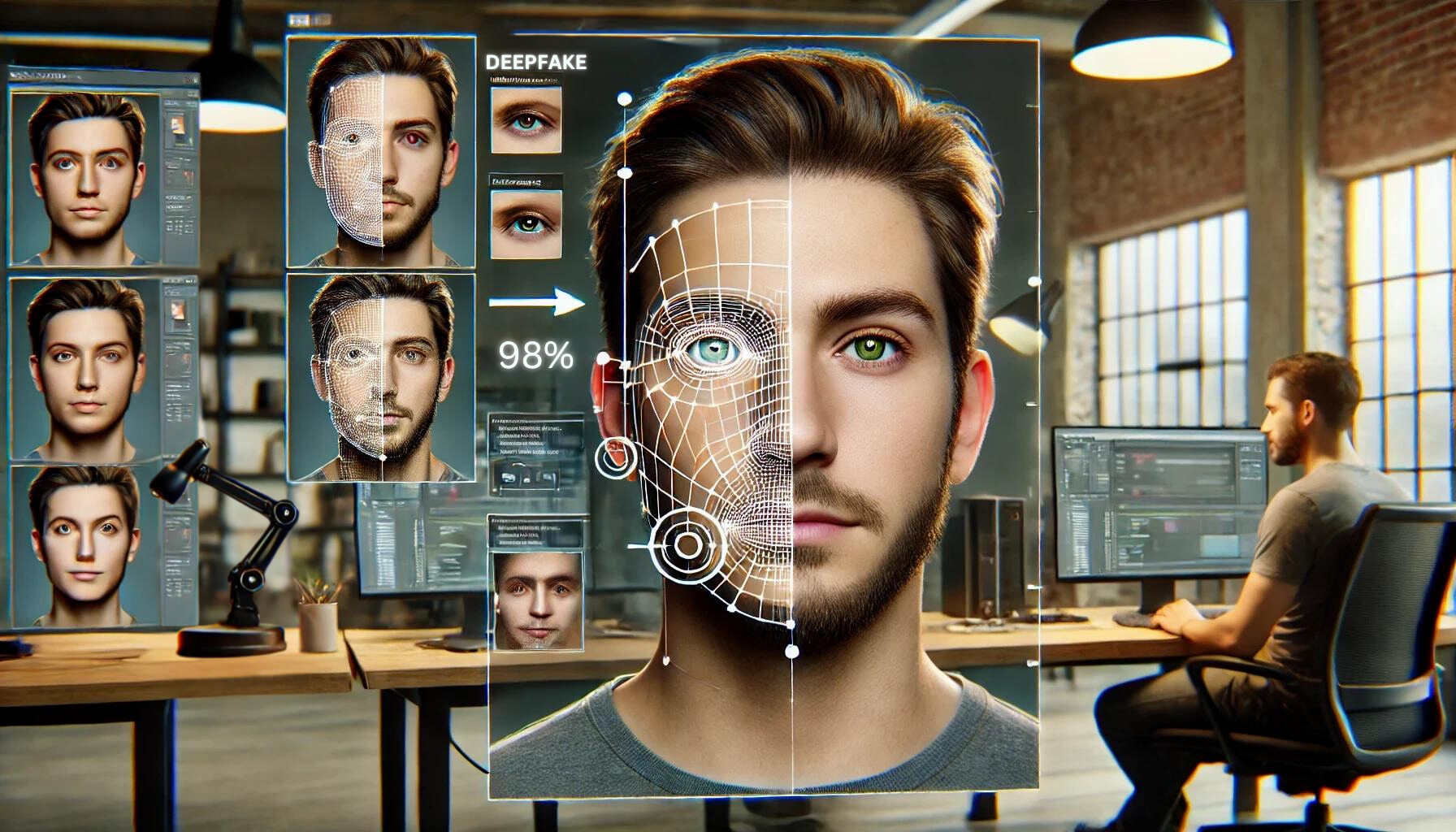
Read More
blank
Artificial Intelligence

Generative AI: The New Printing Press

In the annals of human history, few inventions have been as transformative as the printing press. Engineered by Johannes Gutenberg in the mid-15th century, it revolutionized the dissemination of knowledge, democratized information, and catalyzed the Reformation, the Renaissance, and the Scientific Revolution. Fast forward to the 21st century, and we find ourselves at the cusp of another revolution, this time driven by Generative Artificial Intelligence (AI). Much like its mechanical predecessor, generative AI promises to redefine the landscape of information creation and distribution, making it the digital era's printing press. So let’s dive into the printing press and its impact first.


The Dawn of a New Era: How the Printing Press Paved the Way for Modern Revolutions

The printing press, invented by Johannes Gutenberg around 1436, revolutionized the dissemination of knowledge, enabling the mass production of books and facilitating the spread of revolutionary ideas across Europe. Before the advent of the printing press, books were laboriously copied by hand, mostly by monks in monasteries. This process was time-consuming and expensive, making books rare and accessible only to the wealthy elite and the clergy. The control over knowledge creation and dissemination rested primarily with the Church and the aristocracy, who could dictate what was written, read, and understood by the masses.

Johannes Gutenberg’s innovation was pivotal in launching a global news network, accelerating the Renaissance, making Martin Luther the first best-selling author, powering the Scientific Revolution, providing a platform for fringe voices, contributing to the rise of public opinion and popular revolution, and introducing the concept of machines replacing manual labor.


Challenging the Status Quo

The printing press democratized information by making books cheaper and more accessible. Suddenly, it was possible to produce multiple copies of a text, rapidly and accurately. This technological leap had a profound impact on religious authority, particularly the Catholic Church, which had maintained a tight grip on religious texts and, by extension, religious doctrine. The press enabled the mass production of the Bible in vernacular languages, rather than in Latin, which was accessible only to the educated clergy. This directly challenged the Church’s control over religious knowledge and spiritual interpretation, empowering lay people to read and interpret the scriptures for themselves.


Fostering the Reformation

Perhaps the most notable conflict that arose from the printing press was the Protestant Reformation. Martin Luther’s Ninety-Five Theses, published in 1517, were quickly printed and spread throughout Europe, igniting religious debates and challenging the papacy's authority. The rapid dissemination of Reformation ideas, facilitated by the printing press, led to a widespread religious upheaval, the effects of which are still felt today. The press became a tool for religious reformers, enabling them to bypass traditional channels of authority and communicate directly with the populace.


Spurring Scientific and Intellectual Advancement

The printing press also played a crucial role in the Scientific Revolution and the Enlightenment, periods characterized by challenges to the traditional understanding of the natural world and human society. It allowed for the faster spread of new ideas and discoveries, challenging existing scientific and philosophical paradigms. However, this dissemination of new knowledge often clashed with established doctrines, leading to conflicts with authorities. Galileo Galilei’s support for heliocentrism, for instance, led to his trial and house arrest by the Inquisition.


Cultural and Political Impact

On a cultural and political level, the spread of printed materials fostered literacy and the growth of a public sphere where ideas could be debated. This new public discourse often challenged the authority of monarchs and traditional elites, leading to tensions and, in some cases, to revolutionary movements. The press became a double-edged sword, capable of spreading enlightenment ideas as well as dissent and propaganda, laying the groundwork for modern democratic societies but also for political conflicts.


From the Printing Press to Generative AI - Redefining Power and Creativity in the Digital Age

The transformative impact of the printing press in challenging the status quo and reshaping society underscores the potential of modern technologies like generative AI to provoke similar shifts in power dynamics and knowledge democratization. Generative AI, with its ability to create novel content across various mediums, echoes this historic capacity for innovation, offering a new frontier in how information is produced and consumed. This technology's broad application across education, entertainment, and design illustrates an evolving landscape where artificial intelligence plays a pivotal role in generating unprecedented forms of content, heralding a new era of creativity and information dissemination.


Educational Transformation

The printing press made books accessible, spreading literacy and learning. Similarly, generative AI is poised to transform education by personalizing learning materials. Imagine textbooks that adapt to a student's learning pace and style, making education more accessible and effective. AI-generated quizzes and tutorials can offer real-time feedback, catering to individual needs and promoting a more inclusive educational landscape.


Revolutionizing Content Creation

In the realm of content creation, generative AI is akin to the printing press in its ability to multiply the volume and types of content being produced. AI tools can generate written content, from news articles to novels, at a pace and volume unimaginable to a single human writer. In the visual arts, AI algorithms are creating stunning images, animations, and designs, democratizing creativity by enabling those without traditional artistic skills to bring their visions to life.


Impacting the Entertainment Industry

The entertainment industry is witnessing a revolution reminiscent of the shift from manuscript to print. Generative AI can produce music, scriptwriting, and even deepfake technology, offering new tools for creativity and production. These technologies can lower barriers to entry for aspiring artists and small studios, potentially leading to a more diverse and vibrant cultural landscape.


Accelerating Scientific Research

Just as the printing press sped up the spread of scientific knowledge, generative AI is accelerating research by generating hypotheses, designing experiments, and analyzing data at unprecedented speeds. This capability could lead to faster breakthroughs in medicine, environmental science, and more, echoing the scientific revolution spurred by print technology.


Ethical Considerations and Challenges

However, with great power comes great responsibility. The printing press challenged the status quo, leading to conflicts and controversies. Similarly, generative AI raises ethical questions regarding authorship, copyright, misinformation, and privacy. It requires careful governance to ensure that its benefits do not come at the cost of societal harm.


From Gutenberg to AI: Revolutionizing Information and Creativity in the Digital Age

As we reflect on the journey from Gutenberg's printing press to today's generative AI, it's clear that the essence of revolutionizing information dissemination remains unchanged. The printing press, by democratizing knowledge, laid the groundwork for monumental shifts in society, culture, and knowledge itself. Today, generative AI stands on the brink of a similar horizon, poised to redefine creativity, learning, and information sharing. By harnessing the lessons of the past and the capabilities of the present, we stand on the cusp of a new era where the democratization of creation and knowledge could once again transform our world. This evolution from physical to digital, from manual to automated, underscores a continuing narrative of innovation and its impact on human progress.


Learn more about Generative AI, AIoT, and many more, register for our event Intelligent Thinking AI Summit.
Read More